The Impact of Alcohol on Disrupting Natural REM Sleep Architecture
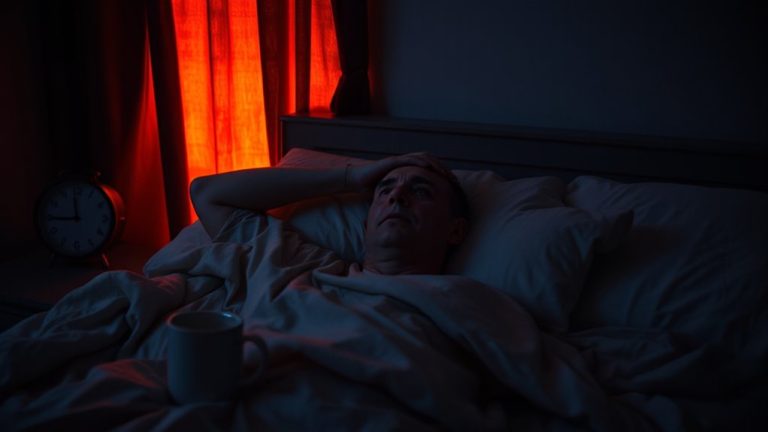
You fall asleep quickly after drinking, but alcohol disrupts your brain’s natural REM cycle, especially if you drink early in the evening. It delays and suppresses REM sleep, leading to fragmented rest later in the night. Once alcohol clears, your brain often rebounds with intense REM, causing vivid dreams or restless awakenings. Without enough quality REM, memory and mood suffer. Over time, skipping deep, balanced sleep harms focus and emotional stability. Avoiding alcohol helps restore healthy sleep patterns-and what comes next can help you build them consistently.
Notable Insights
- Alcohol suppresses REM sleep, especially when consumed in the early evening, delaying the first REM cycle.
- Increased neural inhibition from ethanol disrupts natural sleep stage progression and reduces overall REM duration.
- Sleep architecture becomes fragmented, with rebound REM occurring later as alcohol is metabolized.
- Vivid dreams or mental confusion may follow REM rebound, indicating disrupted sleep continuity and recovery.
- Chronic REM disruption impairs memory consolidation, emotional regulation, and daytime cognitive performance.
Why Alcohol Makes You Pass Out: But Not Sleep Well
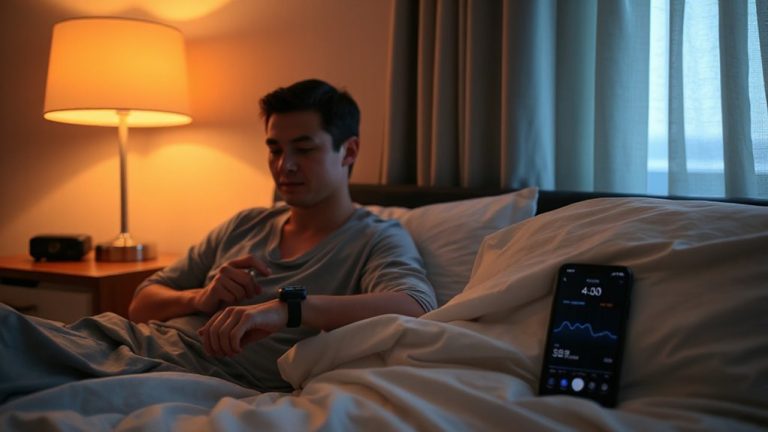
Why do you feel so drowsy after a few drinks, yet wake up exhausted? Alcohol causes rapid sedation, making you fall asleep quickly, but that’s not restorative sleep. Instead, your brain cycles unnaturally, and sleep fragmentation kicks in during the second half of the night. You might not notice you’re waking up, but your sleep breaks into pieces, reducing overall quality. Even if you slept eight hours, you’ll feel unrested. This pattern can mimic sleep disorders like insomnia or sleep apnea, especially with regular drinking. Over time, dependence on alcohol for sleep may develop, worsening long-term sleep health. Consider non-habit-forming sleep aids if needed, or talk to a provider about sleep studies. Devices like trackers can help identify disruptions. Prioritizing consistent sleep routines-dark, cool rooms, limited screens-supports better outcomes without alcohol’s trade-offs.
Why Early Drinking Suppresses REM Sleep
When you drink alcohol early in the evening, it quickly changes how your brain moves through sleep stages, especially REM-the phase tied to dreaming, memory, and emotional balance. Alcohol causes immediate REM suppression, delaying your first REM cycle and reducing its duration throughout the night. This happens because ethanol increases neural inhibition, slowing brain activity and disrupting the natural rhythm your body needs for healthy sleep. While you might fall asleep faster, the quality drops markedly. Early drinking amplifies this effect, giving alcohol more time to influence your sleep architecture. The result? Less restorative rest and potential impacts on mood and focus the next day. If you’re managing sleep concerns, consider timing and quantity, and explore non-alcoholic alternatives. Consistent sleep hygiene often supports better REM balance than relying on substances that alter neural activity.
What Happens When Your Brain Rebounds Into REM?
How does your brain respond after being held back from REM sleep by alcohol? Once alcohol clears from your system, your brain often triggers a REM rebound, pushing more time into REM than usual. This surge isn’t just makeup sleep-it’s part of your brain’s natural neural recovery, repairing and reorganizing pathways affected by prior disruption. You might dream more vividly or wake up confused, signs your brain is catching up. While REM rebound shows resilience, it can strain sleep continuity, making rest feel less stable. If you rely on alcohol to sleep, this rebound may go unnoticed yet still impair long-term sleep quality. Considering sleep aids or behavior changes? Look for options that support consistent REM cycles without suppression. Some treatments promote steady neural recovery without disrupting stages. Check product details on how they affect REM timing and whether trials show benefit for sleep architecture balance.
Why Missing REM Hurts Your Memory and Mood
Sleep quality isn’t just about how long you rest-it’s about what happens during those hours, especially in REM. When you miss REM, it hits your memory consolidation and emotional regulation hard. Without enough REM, your brain struggles to process daily experiences into long-term memories and manage stress or mood swings.
| Sleep Stage | Function | Impacted by Alcohol? |
|---|---|---|
| NREM 1 | Light shift sleep | Slightly |
| NREM 2 | Body relaxation | Moderately |
| NREM 3 | Physical recovery | Yes |
| REM | Memory consolidation | Severely |
| REM | Emotional regulation | Severely |
You may not realize how much missing REM affects your focus or irritability until you track your sleep. Restoring natural REM cycles supports clearer thinking and balanced emotions-important if you’re evaluating sleep aids or adjusting habits.
What Actually Supports Deep, Alcohol-Free Sleep
What if better sleep isn’t about adding something, but removing one key disruptor? Cutting out alcohol, especially at night, can restore your natural circadian rhythm and let your body cycle through deep, restorative stages uninterrupted. Without alcohol blocking the way, your brain reaps the full benefits of REM sleep, essential for memory and mood. Good sleep hygiene makes this easier-consistent bedtimes, limited screen time, and a cool, dark room all help signal your body it’s time to rest. These habits support long-term sleep quality without relying on sleep aids, which may interfere with natural patterns. Over time, maintaining these routines leads to more stable, revitalizing sleep. You don’t need a gimmick-just consistency, awareness, and a few smart lifestyle choices that align with your body’s needs.
On a final note
You might fall asleep faster with alcohol, but your REM sleep suffers, hurting memory and mood. Early in the night, drinking suppresses REM, then later causes a disruptive rebound. For better rest, skip alcohol and support natural sleep cycles. Consider proven aids like CBT-I, melatonin (short-term), or blackout curtains. Many sleep tools offer free trials or warranties-test what fits your routine. Consistency and environment often matter more than supplements.