The Impact of Exercise Intensity on Sleep Stage Distribution
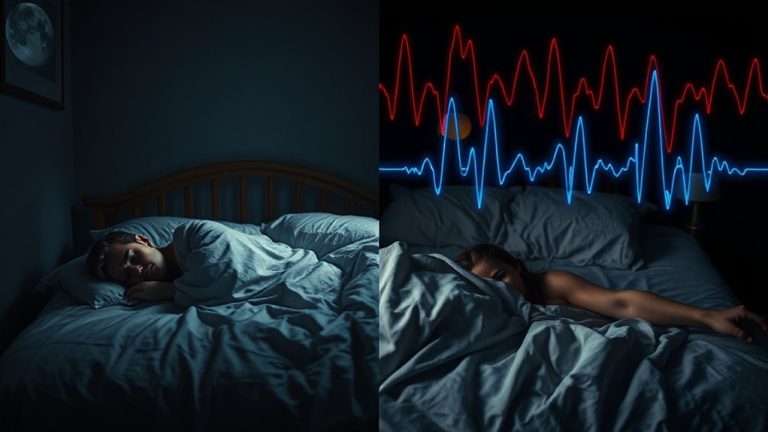
Exercise intensity shapes how you move through sleep stages. Moderate workouts help you fall asleep faster and support REM sleep, easing stress-related disruptions. Vigorous exercise boosts deep sleep for recovery but avoid it close to bedtime-let your body cool down for smoother shifts. Morning or afternoon activity aligns best with your rhythm. Even light movement, like walking or stretching, improves sleep onset and continuity over time. Consistency matters most. You’ll find more tailored timing and intensity tips ahead.
Notable Insights
- Moderate exercise reduces sleep latency and supports circadian rhythm, enhancing overall sleep onset and restorative sleep stages.
- Vigorous exercise increases deep sleep duration, promoting slow-wave sleep essential for physical recovery and neural restoration.
- Regular moderate-intensity activities like walking or cycling can enhance REM sleep quality without overstimulating the nervous system.
- Exercising too close to bedtime may delay sleep onset, especially with high-intensity workouts, due to elevated heart rate and body temperature.
- Morning or afternoon exercise aligns better with circadian rhythms, optimizing sleep stage distribution compared to evening exertion.
How Does Exercise Intensity Affect Sleep Stages?
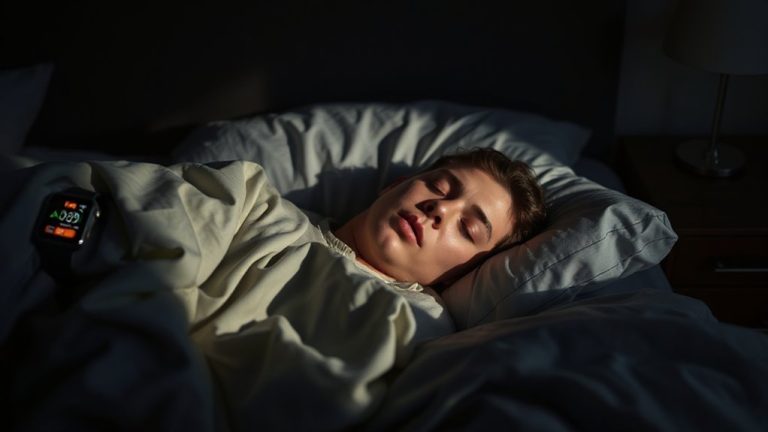
Why do you feel more rested after certain workouts? It’s tied to how exercise intensity shapes your sleep architecture. Moderate activity, like brisk walking or light cycling, supports your circadian rhythm by reinforcing natural wake-sleep cues. This helps you fall asleep faster and increases time in restorative sleep stages. Unlike high-intensity training, which may elevate heart rate too close to bedtime, moderate exercise cools your body temperature just right, promoting smoother shifts into deeper, more stable sleep. You don’t need prolonged sessions-30 minutes most days can make a difference. If you struggle with sleep onset or light, fragmented rest, adjusting workout timing and intensity could help reset your internal clock. No special equipment or sleep aids are required, just consistency. Always monitor how your body responds, and consider tracking sleep patterns to assess changes over time. Performance improves when routines align with biological needs.
Can Vigorous Exercise Boost Deep Sleep?
You might already know that moderate exercise helps you fall asleep faster and improves overall sleep quality, but what happens when you push harder? Vigorous exercise can shift your sleep architecture, often increasing the amount of time you spend in deep sleep-the restorative phase where your body repairs tissue and builds bone and muscle. This boost supports neural recovery, helping your brain clear metabolic waste and strengthen memory. Studies suggest intense workouts, especially when done consistently, enhance slow-wave sleep without disrupting total sleep duration. However, timing matters: exercising too close to bedtime might interfere with sleep onset for some. If you’re managing sleep issues, vigorous activity could be a useful tool, but it’s not a standalone fix. Consider pairing it with good sleep hygiene, and consult a specialist if problems persist. Always listen to your body during trials of new routines.
Does Moderate Exercise Improve REM Sleep?
A growing body of research suggests that moderate exercise may have a positive influence on REM sleep, the stage linked to dreaming, emotional regulation, and cognitive processing. You’ll likely notice REM enhancement when you maintain a consistent routine of brisk walking, cycling, or swimming several times a week. Unlike intense workouts, moderate activity doesn’t overstimulate your nervous system, which helps reduce sleep latency-how long it takes you to fall asleep. This balance supports smoother passages into REM cycles later in the night. Studies show these improvements are especially useful if you struggle with mild sleep disruptions or stress-related sleep issues. While exercise isn’t a standalone fix for clinical sleep disorders, it can reduce reliance on sleep aids over time. The benefits build gradually, so patience and regularity matter. Always consider personal health factors, and if in doubt, consult a professional before making major changes to your routine.
When Should You Exercise for Better Sleep?
How soon after your workout can you expect better sleep? It depends on your exercise timing. Working out in the morning or afternoon often supports deeper, more restful sleep, especially if you maintain sleep consistency. Exercising too close to bedtime might disrupt your cycle, as your body needs time to wind down. For most people, finishing moderate to vigorous exercise at least three hours before bed helps balance energy levels and relaxation. This gap allows your core temperature and heart rate to drop, easing the shift into sleep. Aligning exercise timing with your natural rhythm strengthens sleep consistency over time, improving overall quality. If you’re adjusting your routine, trial different windows to see what works-consistency matters more than perfection. There’s no one-size-fits-all, but tracking your patterns can guide smarter choices for long-term rest.
Is Light Activity Enough for Better Sleep?
Could gentle movement truly influence your sleep quality? Yes, even light activity can help, especially if you often engage in sedentary behavior. Simple actions like walking, stretching, or mindfulness practices improve circulation and reduce mental tension, aiding smoother shifts into restful sleep. While intense workouts offer deeper sleep benefits, light exercise remains a practical entry point, particularly for those new to routines or managing physical limits.
| Activity Type | Duration | Sleep Benefit |
|---|---|---|
| Leisurely walk | 20–30 min | Reduces sleep onset time |
| Stretching | 15 min | Eases muscle tension |
| Mindfulness practices | 10–20 min | Supports sleep continuity |
These habits require no special equipment or warranties, just consistent trial. Though not as powerful as vigorous exercise, they offer meaningful improvements-especially when done daily.
Who Benefits Most From Exercise for Sleep?
Why do some people notice dramatic sleep improvements with exercise while others see only slight changes? You might benefit more if you’re dealing with sleep disorders like insomnia or restless legs syndrome. Regular physical activity helps regulate hormonal changes, especially cortisol and melatonin, which influence your sleep-wake cycle. Middle-aged adults and those under chronic stress often see clearer results because exercise supports deeper sleep stages over time. If you have mild to moderate sleep disruptions, moderate aerobic workouts a few times a week can make a difference. However, if your sleep issues are severe, combining exercise with other strategies-like sleep aids or professional guidance-may be necessary. It’s not a one-size-fits-all solution, but consistent movement improves sleep quality for many. Try tracking your patterns for a few weeks to see what works best for your body.
On a final note
You’ll likely sleep better when matching exercise intensity to your sleep goals. Vigorous workouts may increase deep sleep, helping recovery, while moderate activity could support REM cycles. Timing matters-exercise too late might disrupt sleep for some. Light movement helps if you’re new to fitness, but greater intensity often brings bigger sleep benefits. Try different routines, track your sleep, and see what works best for your body.