How to Wash Hypoallergenic Fiberfill Pillows Without Fiber Clumping
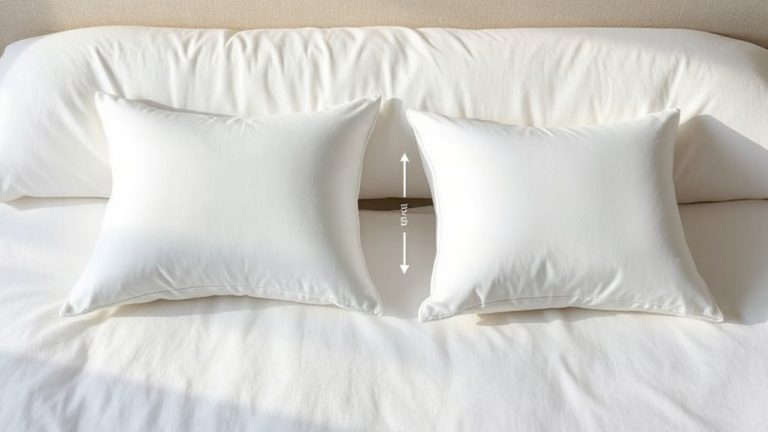
You can machine wash hypoallergenic fiberfill pillows safely by using cold water, a mild detergent without bleach, and the gentle cycle. Wash two at a time to balance the load and reduce clumping. After rinsing thoroughly, dry on low heat with tennis balls to break up wet spots. Pause every 30 minutes to fluff and reshape the pillow, ensuring even drying and loft. How often you wash them affects both hygiene and durability.
Notable Insights
- Use a gentle cycle with cold water and mild, bleach-free detergent to protect fiber integrity.
- Add tennis balls or clean canvas shoes to the dryer to prevent fiber clumping during drying.
- Wash two pillows at once to balance the machine and ensure even agitation.
- Dry on low heat, checking every 30 minutes, and manually fluff to maintain even fiber distribution.
- Perform extra rinse cycles to remove all detergent residue and reduce clumping risks.
Can You Machine Wash Hypoallergenic Fiberfill Pillows?
Can you really toss your hypoallergenic fiberfill pillow in the washing machine without ruining it? Yes, most are machine washable, but you’ve got to check the care label first. Look for polyester fiberfill construction-these handle gentle cycles well and help maintain pillow durability over time. Frequent washing can break down fibers, so stick to a washing frequency of every 3–6 months unless soiled. High heat and aggressive agitation can cause clumping or damage, so balance cleanliness with care. If your pillow stays in a protective cover, you’ll extend its lifespan and reduce how often you need to wash. Good durability means it bounces back after washing without flattening too soon. Trial periods from brands often let you test performance, including wash resilience. Always air-dry fully or use low heat to preserve the fill. This routine supports hygiene and comfort, which matters if you deal with allergies or sleep disruptions.
Wash With Cold Water and Mild Detergent
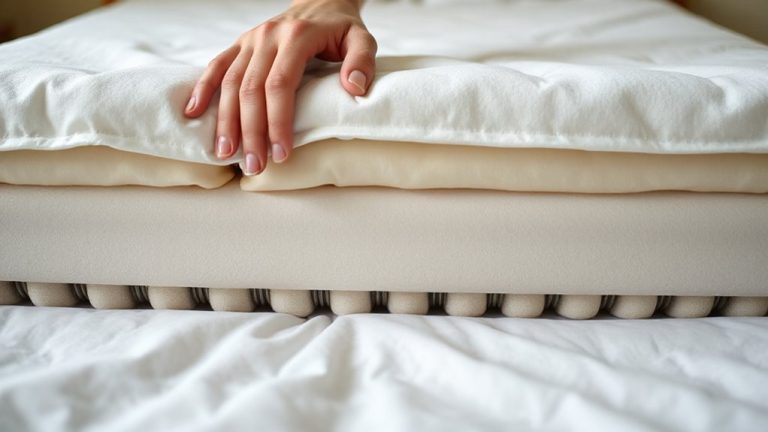
You’ve checked the care label and confirmed your fiberfill pillow can handle a machine wash, so now it’s time to get into the specifics of water temperature and detergent choice. Use cold water-this protects the fiber’s structure and prevents clumping caused by heat damage. Cold water rinses out dirt gently while maintaining the pillow’s loft and softness. For detergent type, pick a mild, liquid formula free from bleach or strong additives; harsh chemicals break down fibers over time. A hypoallergenic detergent works best if you have sensitivities, helping maintain the pillow’s allergen-resistant qualities. Load two pillows to balance the machine, and set it on a gentle cycle with extra rinsing to flush out all detergent residue. This careful combo of water temperature and detergent type keeps the fill evenly distributed and your sleep surface clean, breathable, and supportive for months. Pairing proper pillow care with the right bedding, such as a Purple mattress topper, can enhance overall sleep comfort and support.
Dry on Low Heat With Tennis Balls to Prevent Clumping
Keeping the pillow’s fill evenly distributed during drying is key to avoiding clumps and extending its life. Toss a couple of clean tennis balls into the dryer-they bounce around, breaking up wet fiber clumps and helping air circulate. If you don’t have tennis balls, try Tennis ball alternatives like clean canvas shoes, dryer puffs, or tied-up T-shirts stuffed with socks. These work nearly as well and are quieter. Set the dryer to low heat to protect the fiberfill’s structure and reduce shrinkage risk. High heat can melt or damage synthetic fibers over time. For drying time tips, check the pillows every 30 minutes after the first hour. Most take 2–3 hours, but thicker fills may need longer. Make sure they’re completely dry inside to prevent mildew. This method supports better pillow performance, which may improve sleep comfort for those with sensitivities.
Fluff Frequently While Drying for Even Loft
Every now and then, fluffing your pillow mid-dry helps maintain its shape and loft. This simple step in pillow maintenance guarantees the fiberfill redistributes evenly, preventing flat spots and supporting consistent comfort. As part of effective drying techniques, pause your dryer every 20–30 minutes to fluff the pillow by hand. Gently squeeze and reshape it to restore volume and encourage uniform drying. This is especially important for hypoallergenic fiberfill, which can clump if left undisturbed. Frequent fluffing improves airflow inside the pillow, reducing drying time and moisture retention. Over time, proper technique extends pillow life and supports better neck alignment during sleep. You’ll notice improved softness and resilience, contributing to more restful nights. Incorporating this habit doesn’t require extra tools or effort-just a few seconds of attention. For anyone managing sleep discomfort, consistent drying techniques make a measurable difference in performance and comfort.
How Often to Wash for Best Hygiene and Longevity
Regularly washing your hypoallergenic pillow helps balance hygiene and durability, especially since bodily oils, dead skin, and allergens accumulate over time. Most experts suggest washing every 3 to 6 months, depending on your sleep habits and environment. If you sweat heavily or have allergies, a 3-month cycle may support better sleep hygiene. Frequent washing can weaken fibers, so proper fluffing and air drying are key. Try pillow rotation-use two pillows interchangeably to reduce wear and extend lifespan. This also lets each pillow fully air out between uses, minimizing moisture buildup. For long-term care, follow storage tips like keeping pillows in breathable cotton bags and avoiding damp, direct sunlight. Always check the manufacturer’s care label for warranty details and machine-wash limits. Proper upkeep improves performance and comfort, helping maintain support and loft for more restful sleep.
On a final note
You can safely machine wash hypoallergenic fiberfill pillows using cold water and a mild detergent to protect the fibers. Tumble dry on low heat with tennis balls to break up clumps and restore loft. Fluff them often during drying for even distribution. Washing every 3–6 months keeps them fresh and hygienic. Regular care extends pillow life and supports better sleep hygiene without compromising comfort or performance.