Innerspring Mattress Firmness Adjustments Using Toppers
You can adjust your innerspring mattress’s firmness by adding a topper that softens pressure points or adds support where coils have worn down. Memory foam contours well but may retain heat, while latex or wool offers breathability and resilience. A 2–3 inch thickness balances cushioning and stability, especially if you sleep on your side or have joint pain. Look for CertiPUR-US certified materials and consider models with trial periods. Choose based on your sleep position and comfort needs-the right match improves alignment and reduces tossing. Details on material performance and installation could help refine your choice.
Notable Insights
- A mattress topper can soften a firm innerspring mattress by adding a cushioning layer that relieves pressure points.
- For a firmer feel, choose a dense latex or foam topper that resists compression and enhances support.
- Memory foam toppers conform to the body, improving comfort and reducing discomfort from coil pressure.
- Thicker toppers (2–3 inches) offer more noticeable firmness adjustment and better joint relief for side sleepers.
- Using a breathable topper like latex or wool helps maintain comfort while extending the innerspring mattress’s lifespan.
Why Your Innerspring Mattress Needs a Topper
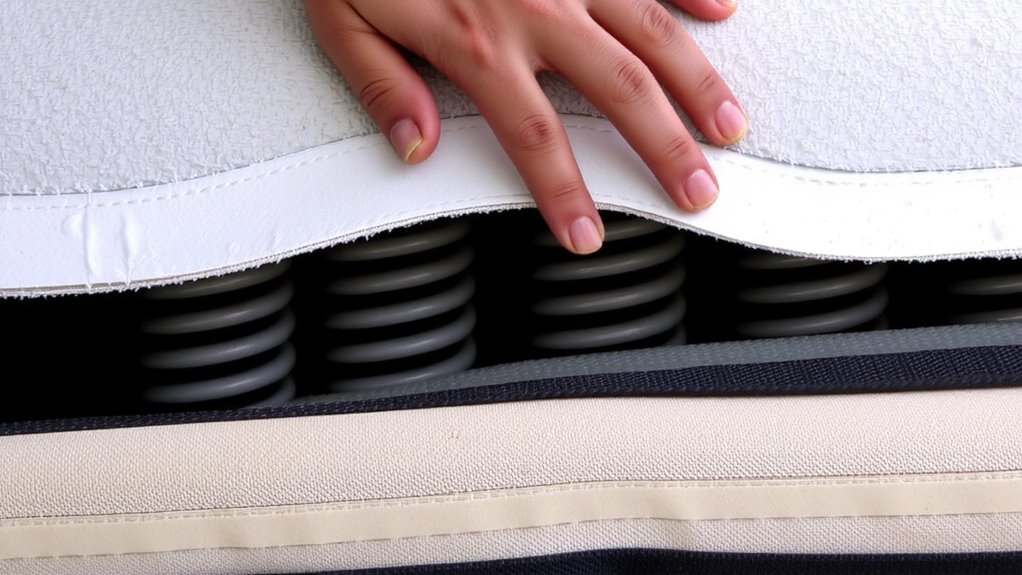
While your innerspring mattress may have served you well for years, it might not deliver the same comfort it once did-especially if you’re noticing pressure points or waking up stiff. Over time, the coils lose support and the padding compresses, reducing both pressure relief and motion isolation. Adding a topper helps restore cushioning exactly where your body needs it most-hips, shoulders, and lower back. Materials like memory foam or latex improve pressure relief by conforming to your shape, while also absorbing movement across the bed. That means less disturbance if your partner tosses or gets up at night, thanks to better motion isolation. Toppers are easy to install, reversible in many cases, and often come with trial periods or warranties. They’re a practical way to extend your mattress’s life without replacing it. Think of it as tuning up your car instead of buying a new one-simple, effective, and focused on performance. For nighttime comfort that also supports skin and hair health, consider pairing your updated sleep setup with a 100% silk pillowcase.
Signs You Need a Softer or Firmer Sleeping Surface
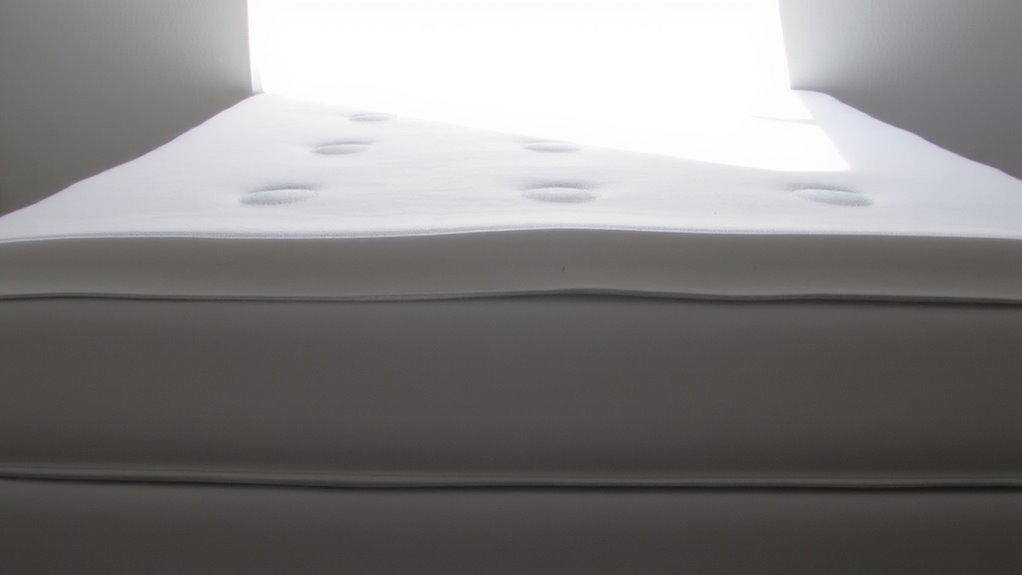
You’ve probably noticed your innerspring mattress doesn’t feel the way it used to, and if you’re waking up with stiffness or pressure in your hips and shoulders, it could mean the support level no longer matches your body’s needs. Poor sleep quality, frequent tossing and turning, or numbness during the night often signal mismatched firmness. If you sleep on your side and feel sharp pressure points, a softer surface may help cushion your joints. Back and stomach sleepers who feel their spine isn’t aligned might need firmer support to reduce strain. Sagging areas on your mattress can also create uneven pressure points, worsening discomfort. Persistent aches or disrupted rest suggest an adjustment could improve your overall sleep quality. Recognizing these signs helps guide your decision on whether to add a topper. It’s a practical step toward balanced support, without replacing the whole mattress.
Best Topper Materials for Innerspring Beds
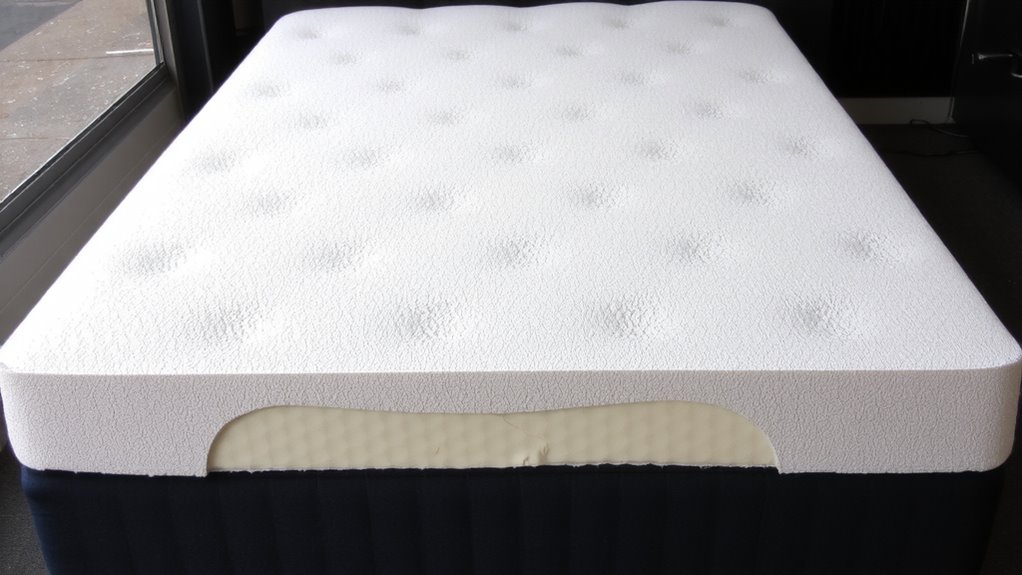
A good night’s sleep often comes down to the right balance of support and comfort, and choosing the best topper material for your innerspring bed plays a key role. You’ll want something that enhances pressure relief without sacrificing breathability or durability. Memory foam contours closely to your body, helping reduce pressure points, though some find it traps heat. A latex blend offers responsive support and better airflow, ideal if you sleep hot. Consider your sleep position and any discomfort when comparing materials. Best Mattress Toppers often combine value with comfort features tailored to different sleeper needs.
| Material | Pressure Relief | Breathability |
|---|---|---|
| Memory foam | High | Low to Medium |
| Latex blend | Medium to High | High |
| Wool | Medium | High |
| Down alternative | Medium | Medium |
| Cotton | Low | High |
Both memory foam and latex blend options often come with trial periods and warranties, giving you time to evaluate comfort.
Best Thickness for Support and Comfort
One to three inches of topper thickness usually provides the best balance between support and comfort for innerspring mattresses. You’ll get enough cushioning to soften pressure points without sinking too deeply, which helps maintain proper spinal alignment. Thinner toppers, around one inch, offer slight softening and are ideal if your mattress only needs minor adjustments-great for support customization without changing the underlying feel too much. A two- to three-inch topper gives more noticeable comfort balance, especially if you have joint pain or sleep on your side. These thicker options contour better to your body while still letting the innerspring core provide firm support. Look for models with CertiPUR-US certified foam or responsive latex to guarantee durability and breathability. Most quality toppers come with trial periods and warranties, so you can test firmness changes risk-free. Choose thickness based on your sleep position and how much softness you actually need.
How a Topper Changes Your Mattress Feel
While your innerspring mattress provides solid support, a topper can greatly alter its surface feel without changing the foundation. You’ll notice immediate differences in softness or firmness, depending on the topper’s material and thickness. Memory foam adds cushioning for better pressure relief, especially at hips and shoulders, while latex offers responsive support with more bounce. Some materials also improve temperature regulation-gel-infused foams or breathable wool help dissipate heat, which may benefit those prone to night sweats. A quality topper contours to your body, reducing pressure points that can disrupt sleep or worsen joint pain. This can support healthier spinal alignment and enhance overall comfort. Consider a model with a removable, washable cover for easier maintenance and better airflow. Many brands offer trial periods, so test for comfort and temperature control over several nights to make a confident choice. According to experts at Good Housekeeping, the best mattress toppers combine comfort, durability, and cooling features for optimal sleep quality.
How to Install a Topper on an Innerspring Mattress
Now that you’ve picked a topper to match your comfort needs, it’s time to get it properly set up on your innerspring mattress. Start with topper placement-lay it flat directly on top of your mattress, guaranteeing it aligns evenly with the corners and sides for full coverage. If you choose a memory foam or latex topper, let it expand for a few hours after unboxing to regain its shape. To prevent slipping during sleep, consider using securing methods like elastic straps, a fitted topper protector with grip corners, or a tight mattress encasement. These options help keep the topper in place without restricting airflow. Proper installation supports consistent spinal alignment and improves comfort throughout the night. Most toppers include trial periods, so allow a few weeks to assess performance. Check warranty terms to guarantee your setup meets care requirements and maintains coverage.
How to Extend Your Innerspring Mattress Life With a Topper
Since your innerspring mattress takes daily wear, adding a topper isn’t just about comfort-it can actually slow down signs of sagging and extend the bed’s usable life. A quality topper cushions pressure points and reduces direct strain on coils, helping maintain support. For best results, pair the topper with regular mattress rotation every three to six months to promote even wear. Look for toppers with breathable materials to support airflow improvement, which helps regulate temperature and reduces moisture buildup. Memory foam or latex options offer durability and conforming support, while lower-density foams may compress faster. Most toppers come with trial periods and warranties, so check details before buying. Over time, this combination-topper use, mattress rotation, and proper ventilation-can delay sagging and keep your sleep surface more consistent. You’ll likely find your mattress performs better longer, supporting healthier sleep patterns without needing early replacement.
On a final note
You can adjust your innerspring mattress’s firmness with the right topper, improving comfort and extending its life. Memory foam adds softness and pressure relief, while latex offers resilient support. A 2- to 3-inch thickness usually balances support and plushness. Most quality toppers include trial periods and warranties, allowing risk-free testing. Make sure it fits snugly and doesn’t trap heat, especially if you sleep warm.