Understanding the Importance of Naps in Daily Sleep Cycles
You feel tired after lunch because your body’s natural rhythm dips in alertness, and digestion shifts blood flow to your gut. A short nap-just 10 to 30 minutes-can sharpen focus, boost mood, and improve memory without affecting nighttime sleep. Napping around 1–3 p.m. aligns best with your cycle. Longer 90-minute naps include REM sleep, aiding creativity, but risk grogginess if timed poorly. Try napping consistently in a quiet, dim space, and see how your energy balances through the day.
Notable Insights
- Naps align with the natural circadian dip in alertness, typically occurring in the early afternoon.
- Short naps of 10–30 minutes enhance alertness without causing sleep inertia or disrupting nighttime sleep.
- A 90-minute nap allows completion of a full sleep cycle, boosting memory and creativity through REM sleep.
- Napping supports memory consolidation, emotional regulation, and cognitive performance throughout the day.
- Consistent, early afternoon naps between 1–3 p.m. help maintain a healthy sleep-wake balance and overall sleep hygiene.
Why You Feel Sleepy After Lunch: And Why It’s Not Laziness

Even if you’re not lazy or lacking willpower, you’re likely to feel a dip in energy after lunch because your body naturally follows a circadian rhythm that includes a slight drop in alertness in the early afternoon. This is the circadian dip, a normal shift hardwired into your biology. When it coincides with digestion after eating, you experience postprandial lethargy-sluggishness as blood flow shifts to your gut. It’s not poor discipline; it’s physiology. You might consider adjusting meal size or timing to reduce its intensity, since large, carb-heavy lunches worsen the effect. Recognizing this pattern helps you make informed choices about rest or activity. If fatigue feels extreme or persistent, it could signal a sleep disorder worth discussing with a healthcare provider. Understanding your body’s signals, not fighting them, supports better decisions about sleep hygiene, possible sleep aids, or when a short rest might help-without replacing nighttime sleep.
How Napping Boosts Memory, Mood, and Focus

A short nap can sharpen your thinking, lift your mood, and strengthen memory-especially if it’s timed right. When you nap, your brain engages in memory consolidation, helping you retain facts and skills learned earlier. Even a 20-minute rest supports this process, making recall easier later. Napping also aids emotional regulation, reducing irritability and improving resilience to stress. Without enough rest, your brain struggles to process emotions, affecting focus and interactions. A brief daytime sleep can reset your mental state, boosting attention and clarity. You don’t need long: 10 to 30 minutes is often enough to gain benefits without grogginess. If you’re considering sleep aids or tracking tools, look for ones that promote light, restorative sleep without disrupting natural cycles. Naps aren’t lazy-they’re a smart strategy for better cognition, mood control, and sustained focus.
When to Nap for Maximum Energy (Without Losing Sleep at Night)
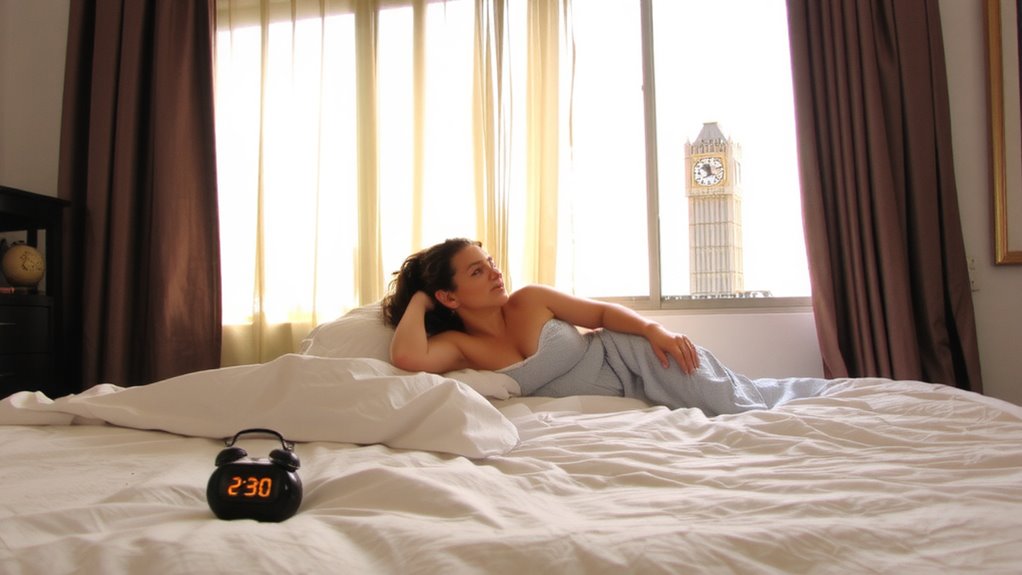
When should you nap to recharge without disrupting your nighttime sleep? Timing your nap right keeps your internal clock on track. Aim for early to mid-afternoon, around 1–3 p.m., when your energy naturally dips. Napping too late can interfere with bedtime, just like leaving your car’s power windows down in the rain-it’s an easy mistake with messy results. Think of a coffee spill: sudden, disruptive, and best avoided with planning.
| Time of Day | Energy Level | Sleep Impact |
|---|---|---|
| 1–2 p.m. | Low focus | Minimal |
| 3–4 p.m. | Slight slump | Moderate |
| After 5 p.m. | Winding down | High risk |
Keep naps consistent and short to prevent nighttime struggles.
20 vs. 90 Minutes: Which Nap Length Is Best for You?
Why do some naps leave you refreshed while others make you feel groggy? The answer often lies in nap length and your sleep cycle. A 20-minute nap helps you stay in light sleep, avoiding deep stages that can cause sleep inertia-the groggy, disoriented feeling after waking. This short nap boosts alertness without disrupting nighttime sleep. In contrast, a 90-minute nap lets you complete a full sleep cycle, including REM, which supports memory and creativity. While this longer nap can be more restorative, it requires proper timing to avoid sleep inertia if you wake mid-cycle. Your best choice depends on your daily schedule and energy needs. Try both nap lengths at different times to see how each affects your focus and mood. Track the results over a few days to make a confident decision.
How to Make Napping a Consistent, Guilt-Free Habit
Though you might think napping is only for kids or the exhausted, building a regular napping habit can support better focus and mood-especially if you align it with your natural rhythm. Nap timing matters: aim for 1–3 p.m., when energy dips naturally, and keep naps short-10 to 30 minutes-to avoid grogginess. If you’re concerned about sleep inertia or nighttime interference, earlier, brief naps usually work best. Guilt management starts with reframing rest as productive; studies link napping to improved alertness and emotional regulation. Treat your nap like a scheduled break, not a luxury. Use a consistent spot, dim lights, and set a reliable alarm. Avoid screens before lying down. If you struggle with insomnia or severe fatigue, consult a doctor to rule out sleep disorders. Some may benefit from sleep aids, but most do fine with routine and environment adjustments. Trial different timings to see what supports your nightly sleep and daily focus.
On a final note
You might feel sluggish after lunch, but a well-timed nap can sharpen memory, lift mood, and boost focus. Try a 20-minute power nap to avoid grogginess or a full 90-minute cycle for deeper restoration. Nap before 3 p.m. to protect nighttime sleep. Create a quiet, dark space and stick to a routine. Over time, consistent napping improves energy and alertness without replacing solid sleep hygiene.