Meditation for Sleep Hygiene: 5-10 Minute Techniques That Work
You can improve sleep hygiene by using meditation to shift your brain waves into relaxed alpha and theta states, syncing with your body’s natural rhythm. Techniques like guided imagery or sleep mantras reduce mental chatter without side effects. Practice 30–60 minutes before bed to avoid alertness. Consistent routines, mindful breathing, and body scans help ease sleep anxiety and may reduce reliance on sleep aids. Adjust timing or methods if needed-small changes often bring better results over time, and further refinements can support lasting improvements.
Notable Insights
- Meditation shifts brain waves to relaxed alpha and theta patterns, supporting natural sleep onset and alignment with the body’s internal clock.
- Guided imagery and sleep mantras reduce mental chatter, offering drug-free, side-effect-free techniques to prepare the mind for rest.
- Practicing mindful breathing or body scanning for 5–10 minutes nightly calms the nervous system and reduces sleep-related anxiety.
- Consistent bedtime routines that include pre-sleep meditation help signal the body it’s time to unwind and improve sleep hygiene.
- Avoid meditating too late or forcing relaxation; aim for 30–60 minutes before bed to prevent alertness and support effective wind-down.
Why Meditation Helps You Fall Asleep Faster
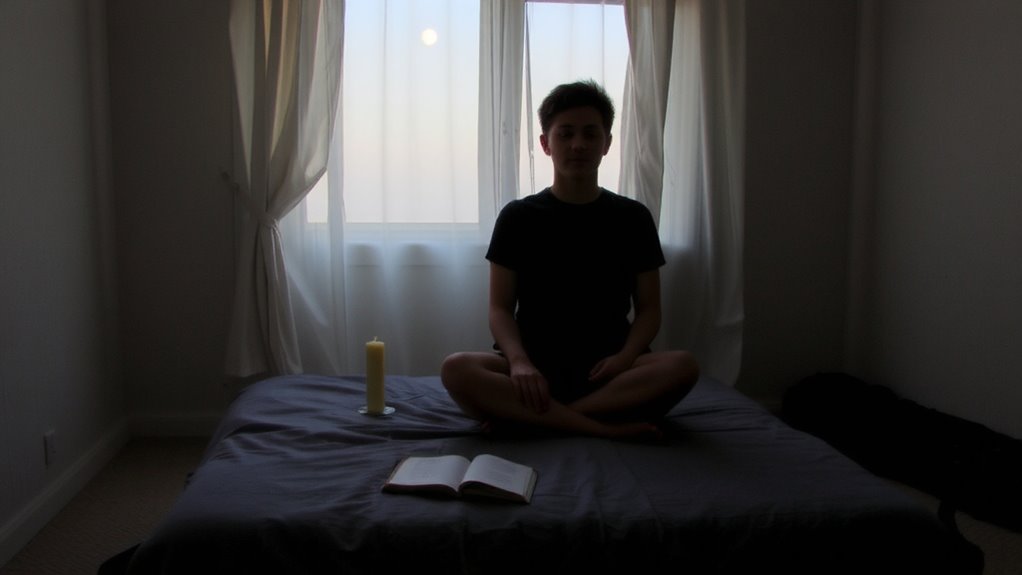
While your mind might still race at bedtime, practicing meditation can help shift it into a calmer state, making it easier to drift off. You likely experience heightened brain waves when stressed, which keeps your body alert and delays sleep onset. Meditation helps shift your brain waves from active beta to relaxed alpha and theta patterns, supporting natural sleep cycles. By aligning your mind’s rhythm with your body’s internal clock, you create conditions for smoother shifts into deep rest. This doesn’t replace medical treatments for sleep disorders but offers a drug-free approach to improve sleep hygiene. Over time, consistent practice may reduce reliance on sleep aids. No equipment or warranty is needed-just dedicated time and patience. Though results vary, many find they fall asleep faster after several weeks. Consider it a low-risk option to trial alongside other healthy habits. For enhanced results, consider incorporating proven sleep meditation tools into your nightly routine.
Best Meditation Techniques for Better Sleep
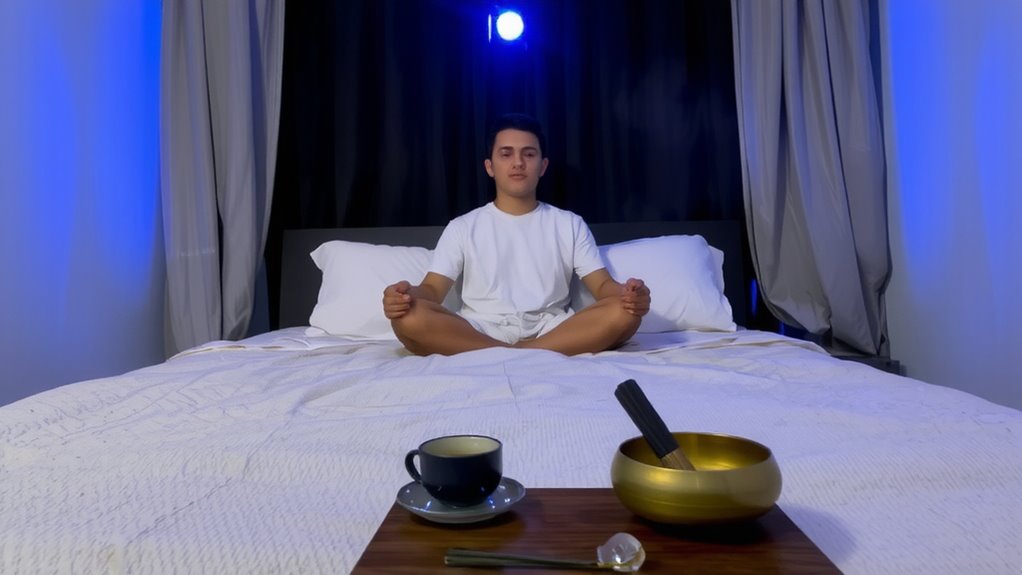
A quiet mind is often the first step toward restful sleep, and you don’t need special tools or a prescription to begin. Guided imagery helps by letting you visualize calming scenes, like a forest or shoreline, which slows mental chatter. You can use free apps or recordings that walk you through these sequences, making it easier to stay focused. Sleep mantras-short, repeated phrases like “I am calm” or “breathe deeply”-anchor your attention and reduce nighttime anxiety. Both techniques train your brain to shift into rest mode. They’re non-invasive, have no side effects, and can be adjusted to fit your comfort level. If you struggle with racing thoughts, guided imagery offers structure, while mantras work well when you prefer simplicity. Neither replaces medical treatment for sleep disorders, but they’re practical additions when considering sleep aids. Try each for a few nights to see what supports your sleep hygiene best. For more personalized support, consider exploring the best sleep meditations available, as reviewed in expert buying guides.
Build a Nightly Routine That Sticks
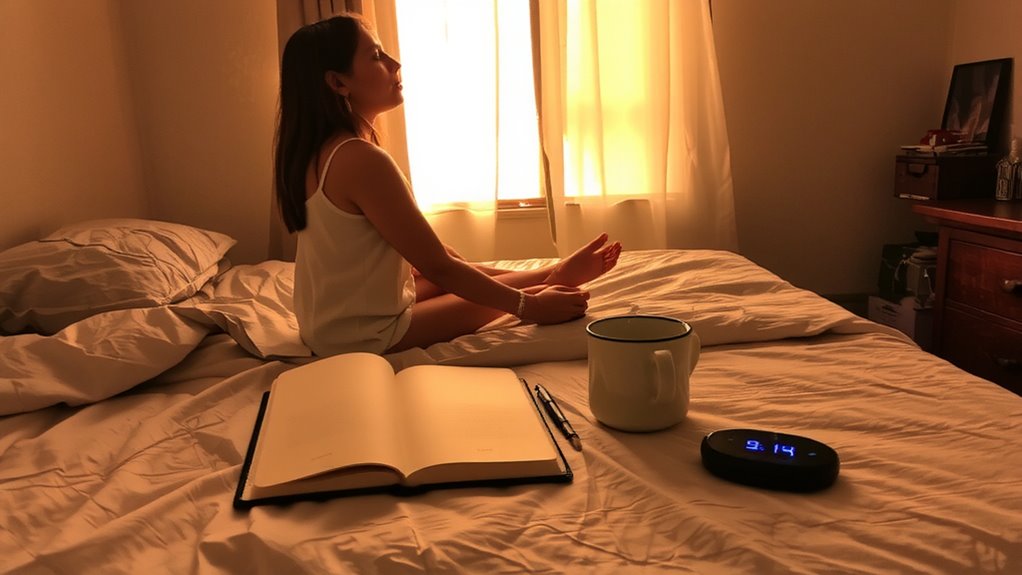
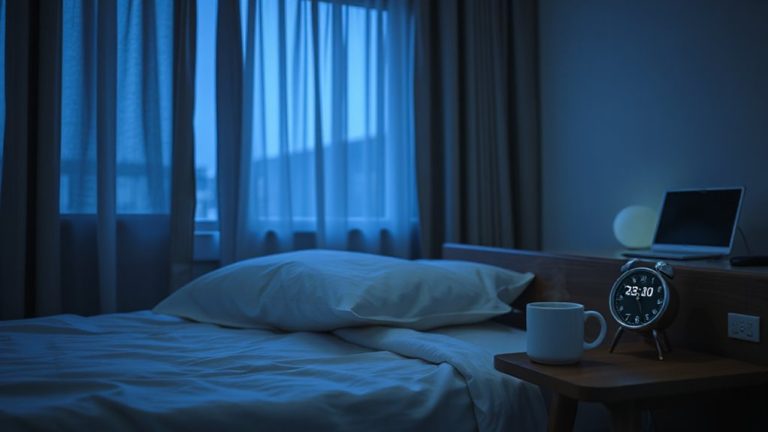
Consistency matters when shaping a nightly routine that supports better sleep, and starting small makes it easier to stick with over time. Begin by setting a consistent timing for bedtime and wake-up, even on weekends, to strengthen your body’s internal clock. Pair this with preparing your sleep environment-dim the lights, reduce noise, and keep the room cool. Include a brief meditation or quiet activity to signal it’s time to unwind. Over time, your body learns these cues, improving sleep onset and quality. If you struggle, consider low-light reading or white noise machines as adjustable supports. Trial different approaches for at least a week to assess effectiveness. Many sleep aids offer warranties or return policies, so test them thoughtfully. Build habits gradually, focusing on what’s sustainable for your lifestyle and sleep needs. A supportive sleep setup can enhance relaxation, and incorporating the right best sleep accessories can make a noticeable difference in rest quality.
Calm Sleep Anxiety With Breath and Body Focus
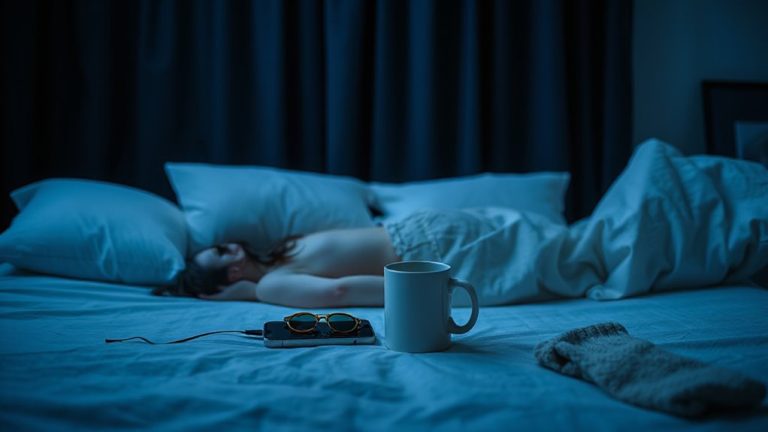
You’ve set a steady routine and crafted a space that invites rest-now, turning your attention to the quiet moments before sleep can make a real difference when anxiety keeps your mind racing. Try mindful breathing to slow your heart rate and signal safety to your brain. Inhale deeply through your nose for four counts, hold for four, then exhale slowly through your mouth. This simple act can reduce nighttime worry. Pair it with body scanning by mentally moving from your toes to your head, noticing tension without judgment. If your shoulders feel tight or your jaw is clenched, gently relax those areas. These techniques work best when practiced consistently, taking just 5–10 minutes. They don’t replace medical treatment for sleep disorders but may reduce reliance on sleep aids. Give them a fair trial-most people notice subtle shifts within a week.
Fix Common Meditation Mistakes That Disrupt Sleep
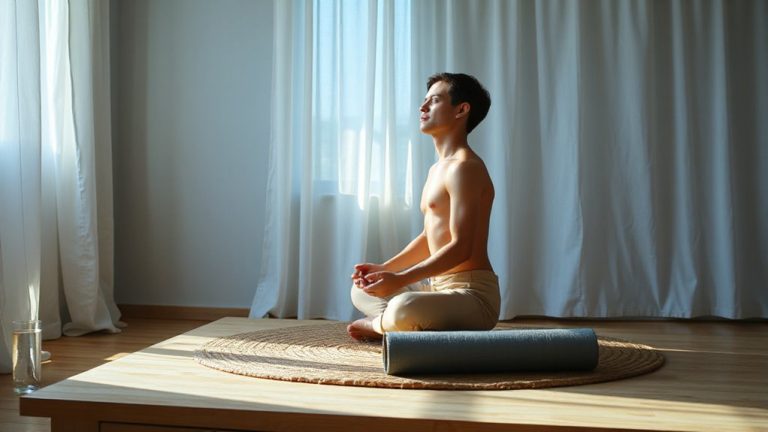
While aiming for a peaceful mind at bedtime, many people unintention combust their efforts by meditating too late in the routine or pushing for immediate results. Incorrect timing-like starting meditation when already drowsy-can disrupt your sleep cycle instead of supporting it. You’re better off meditating 30 to 60 minutes before bed, giving your mind time to settle without interference. Another common pitfall is forced relaxation, where you strain to “shut off” thoughts, causing mental tension. Meditation isn’t about emptying the mind but observing it without reaction. When you force calm, you create resistance that lingers into sleep. Instead, try gentle focus on breath or body sensations, allowing thoughts to pass naturally. If you struggle with nighttime alertness, consider adjusting your session length or switching to daytime practice. Small, consistent changes improve outcomes more than intense, irregular efforts.
On a final note
You’ll likely fall asleep faster and feel more rested by adding meditation to your nightly routine. Techniques like breath focus or body scans help calm sleep anxiety without medication. Start small, stick to a consistent schedule, and adjust methods to suit your needs. Most apps and tools offer free trials, so test a few to see what works. With regular practice, meditation becomes a reliable, drug-free sleep aid backed by research.