How Adolescents’ Hormonal Changes Influence Their Sleep Quality
Your body’s internal clock shifts during puberty, making it harder to fall asleep early and wake up alert. Hormonal changes delay melatonin release, pushing sleep onset later, often around 10–11 PM. Estrogen and testosterone affect sleep depth and dream intensity, while deep sleep decreases, impacting recovery and focus. You might struggle with mood, energy, or concentration. Consistent routines and less screen time help manage these shifts-options worth trying come next.
Notable Insights
- Puberty delays melatonin release, shifting sleep onset to later hours and reducing sleep quality due to misaligned school schedules.
- Rising estrogen levels shorten sleep latency but increase dream intensity, affecting sleep continuity and emotional processing.
- Testosterone contributes to delayed sleep onset yet supports deeper, more restorative sleep during adolescence.
- Hormonal changes reduce deep sleep, impairing memory consolidation and physical recovery critical for development.
- Circadian rhythm shifts and hormonal fluctuations increase vulnerability to social jetlag, insomnia, and daytime fatigue.
Why Teens’ Sleep Schedules Shift in Puberty
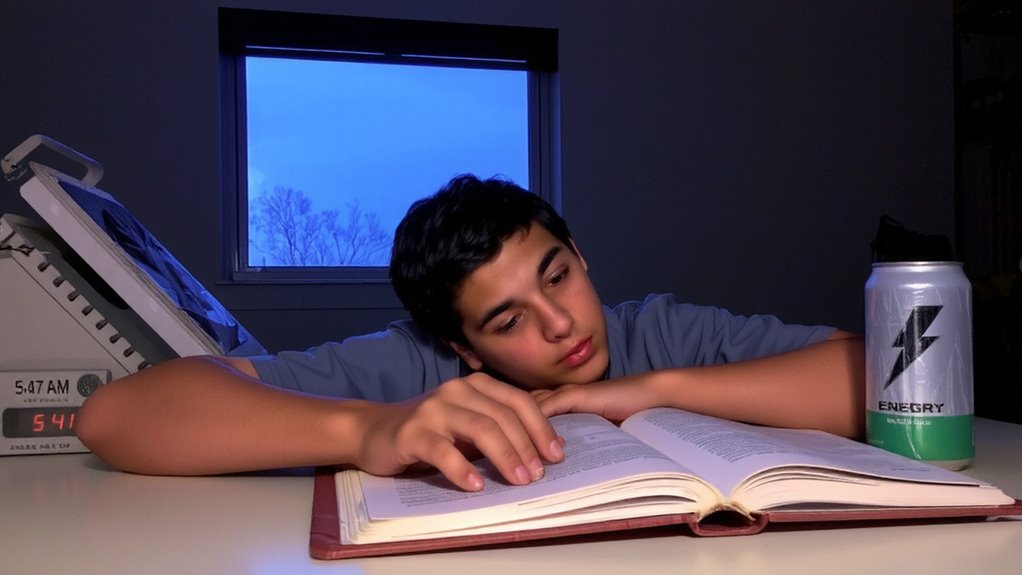
While your body goes through major changes during puberty, one of the most noticeable shifts happens in your sleep pattern-not because you’re lazy or unmotivated, but because your hormones are rewiring your internal clock. Your circadian rhythm naturally delays, making you feel alert later at night and groggy in the morning. This biological shift often clashes with early school start times, leading to social jetlag-when your weekend and weekday sleep schedules conflict, leaving you tired and unfocused. Over time, this mismatch can reduce sleep quality and affect school performance. While sleep aids might seem helpful, they’re not always necessary or recommended without professional guidance. Instead, consider small adjustments: limit screen use before bed, keep a consistent sleep schedule, and talk to a doctor if problems persist. These steps support your body’s new rhythm while protecting your health.
How Late Melatonin Hurts Teen Bedtimes
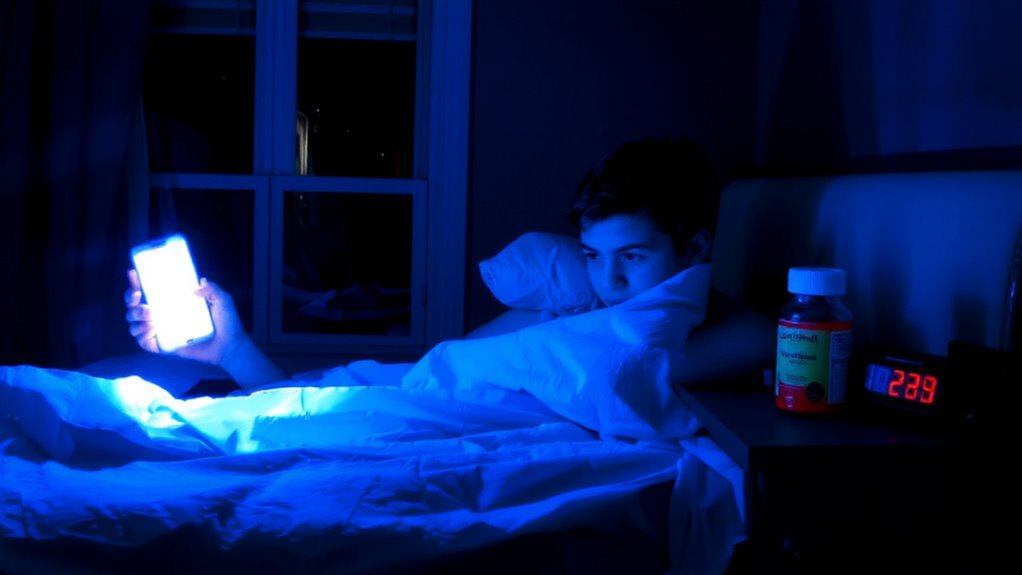
Since your body starts releasing melatonin later in the evening during puberty, you might not feel sleepy until much later than you used to, even if you’re tired. This melatonin delay directly contributes to bedtime resistance, making it harder to fall asleep early, despite needing 8–10 hours of sleep. You may lie in bed feeling awake, not because of screens or stress alone, but because your internal clock isn’t signaling sleep yet.
| Age Group | Melatonin Onset | Typical Bedtime |
|---|---|---|
| Children | ~8–9 PM | 8–9 PM |
| Teens | ~10–11 PM | 10–11 PM |
| Adults | ~9–10 PM | 10 PM |
| Young Adults | ~10–11 PM | 11 PM–Midnight |
Understanding this shift helps explain natural sleep patterns and informs better decisions about sleep aids or schedule adjustments, without assuming disorder. Recognizing melatonin delay reduces frustration and supports realistic goals for rest.
Sleep Habits That Beat Hormonal Shifts
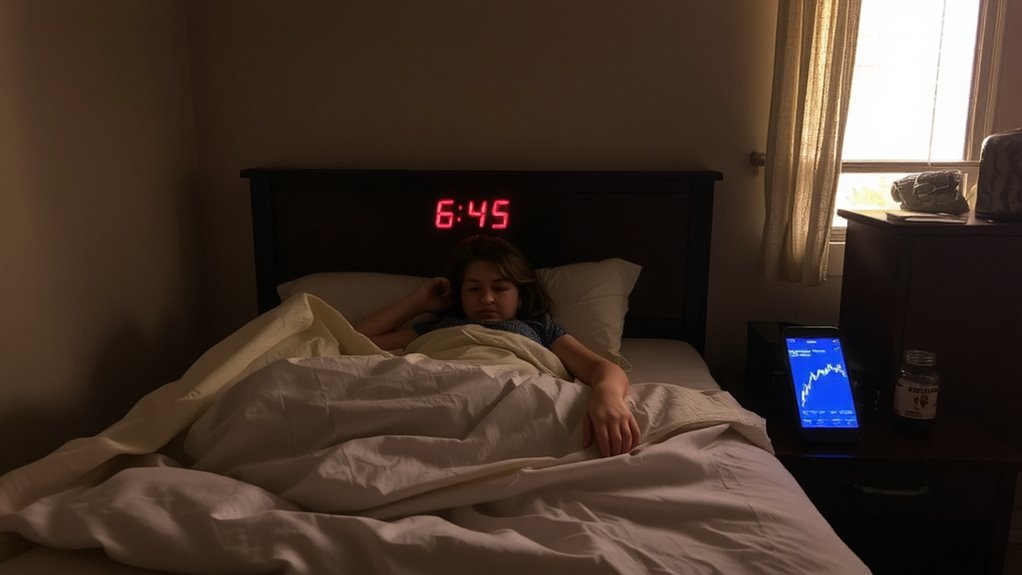
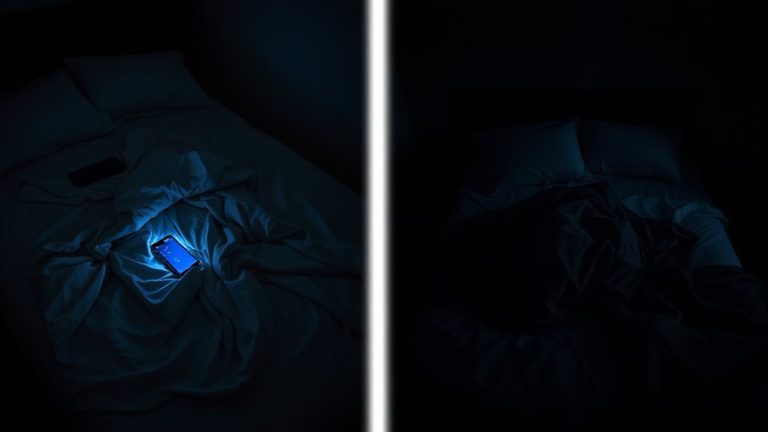
A few key habits can make a big difference in managing your sleep, even with the hormonal shifts of adolescence. Sticking to a consistent sleep schedule helps stabilize your circadian rhythm, especially when melatonin release runs late. Aim for 8–10 hours nightly, going to bed and waking up around the same time-even on weekends. Good sleep hygiene means powering down screens at least 30 minutes before bed since blue light delays melatonin. Keep your room cool, dark, and quiet, and avoid caffeine after noon. Regular exercise supports better sleep, but not right before bed. If you’re struggling, consider tracking sleep patterns for a few weeks to spot issues. Over-the-counter aids aren’t usually needed and should be used cautiously. Focus instead on consistent, evidence-backed routines that align with your body’s natural rhythms.
How Estrogen and Testosterone Change Sleep
When estrogen and testosterone rise during puberty, they don’t just affect mood and growth-they also reshape how you sleep. Estrogen can shorten sleep latency, helping you fall asleep faster, and often increases dream intensity, making dreams more vivid or emotional. Testosterone, especially in boys, may slightly delay sleep onset but supports deeper, more restorative rest once sleep begins. These hormonal shifts mean your sleep patterns become more sensitive to timing and environment. Keeping a consistent bedtime routine can help regulate these changes. If sleep latency remains high or dream intensity disrupts rest, consider tracking sleep patterns for a few weeks. Over-the-counter sleep aids aren’t usually needed and may dull REM cycles. Instead, try relaxation apps or blackout curtains. Most teens see improvement with small adjustments-no prescription required. Check warranty periods on sleep devices and trial options before investing.
Why Teens Lose Deep Sleep During Puberty
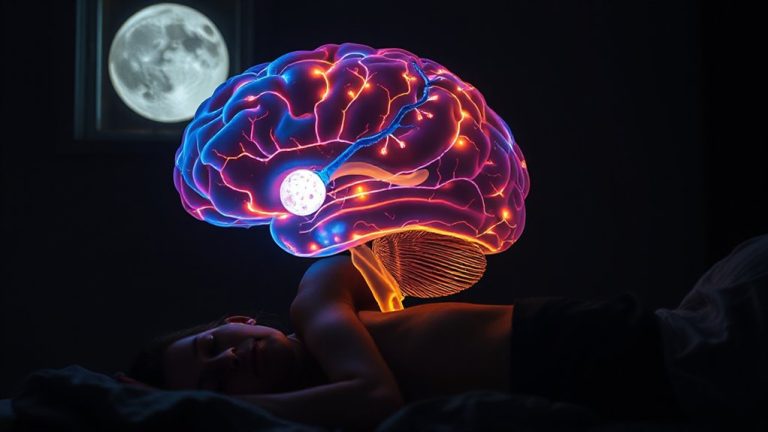
Though your body’s changing fast during puberty, one shift you might not notice is how your deep sleep dips as hormone levels surge. This dip isn’t random-it’s tied to brain development and the neural reorganization happening while you sleep. During this phase, your brain reshapes connections, pruning unused pathways and strengthening important ones, which reduces time spent in deep sleep stages. These changes support learning and emotional control long-term, even if you feel more tired. Since deep sleep aids physical recovery and memory, its loss can affect how rested you feel. To support your changing sleep needs, prioritize consistent bedtimes and limit screen use before bed. Simple adjustments often help more than sleep aids, which should only be considered with medical advice. Understanding this shift gives you a clearer picture of what’s normal-and when to explore solutions thoughtfully.
How Sleep Loss Hurts Focus and Mood
Why does sleep loss hit so hard when you’re already juggling school, friendships, and bigger emotions? Because your brain’s still developing, and missing sleep sharpens mood swings and dulls focus. With constant academic pressure, even small setbacks feel overwhelming when you’re tired. Sleep loss weakens your ability to concentrate, store memories, and manage stress. Add screen exposure late at night, and it gets worse-blue light delays melatonin, making it harder to fall asleep. You might feel tempted to scroll or study later, but that cuts into restorative sleep. Over time, this affects decision-making and emotional control. Prioritizing a consistent bedtime and limiting screens an hour before sleep can improve both mood and focus. Small changes in routine support better performance in school and relationships, without needing sleep aids. Give your body time to adjust-most teens need 8–10 hours.
When to Seek Help for Teen Insomnia
How do you know if your trouble sleeping goes beyond the usual stress or late-night screen use? If insomnia lasts more than two weeks or affects your daily focus, mood, or energy, it might signal an underlying sleep disorder. Poor sleep can also impact mental health, increasing risks for anxiety or depression. Don’t wait until it’s overwhelming-talk to a doctor if changes in sleep disrupt your routine.
| Symptom | When It’s Serious | What You Can Do |
|---|---|---|
| Trouble falling asleep | Most nights, for weeks | Track sleep patterns |
| Waking often | Can’t fall back asleep | Limit screens before bed |
| Daytime fatigue | Impacts schoolwork | Talk to a counselor |
| Mood changes | Irritability, sadness | Check mental health |
| Poor concentration | Ongoing, not stress-related | See a sleep specialist |
On a final note
Your body’s hormonal shifts during puberty affect when you feel sleepy and how deeply you rest. Melatonin, estrogen, and testosterone all play roles, often delaying sleep onset and reducing deep sleep. Poor sleep can impact focus and mood. To cope, stick to consistent bedtimes, limit screens before bed, and create a calm sleep environment. If sleep problems persist, talk to a doctor-options like cognitive behavioral therapy or light therapy may help, often with strong success and few side effects.