Comparing Sleep Quality
You get more rest from five hours of deep, uninterrupted sleep than eight hours broken by awakenings, since full cycles recharge your body and mind. Track sleep quality with wearables and a diary to see how bedtime habits affect your energy. Reduce screen time and stress to protect sleep continuity. Choose a supportive mattress for spine alignment, use caffeine wisely, and avoid alcohol before bed-each choice shapes your sleep’s effectiveness. Better patterns are possible, and small adjustments can reveal what works best for you.
Notable Insights
- Sleep quality is more important than time spent in bed, with full sleep cycles critical for physical and mental restoration.
- Tracking sleep with diaries and wearables helps compare sleep quality by revealing patterns in sleep stages and morning alertness.
- Screen exposure and stress disrupt sleep onset and continuity, reducing overall sleep quality even with sufficient bedtime duration.
- A supportive mattress significantly improves spine alignment and sleep quality compared to pillows, which offer fine-tuned positional support.
- Caffeine and alcohol negatively affect sleep depth and REM cycles, while well-timed exercise enhances sleep quality and stability.
Why Sleep Quality Beats Hours in the Bedroom
While logging time in bed might seem like the key to feeling rested, the quality of your sleep often matters more than the number of hours spent under the covers. You cycle through multiple sleep stages each night, and completing full sleep cycles helps your body and mind recharge. When your sleep is fragmented or cut short, you miss deep and REM phases critical for recovery time and mental clarity. Even if you spend eight hours in bed, poor continuity reduces how rested you feel. Devices or habits that support consistent, undisturbed cycles usually improve how you function the next day. Choosing sleep aids or environment adjustments should prioritize stable sleep architecture over just extending time in bed. Look for solutions that minimize disruptions and promote natural progression through sleep cycles. Check warranties, trial periods, and user reviews when testing products. Small improvements can enhance recovery time without drastic changes.
How to Track Your Sleep Quality (Without Guessing)
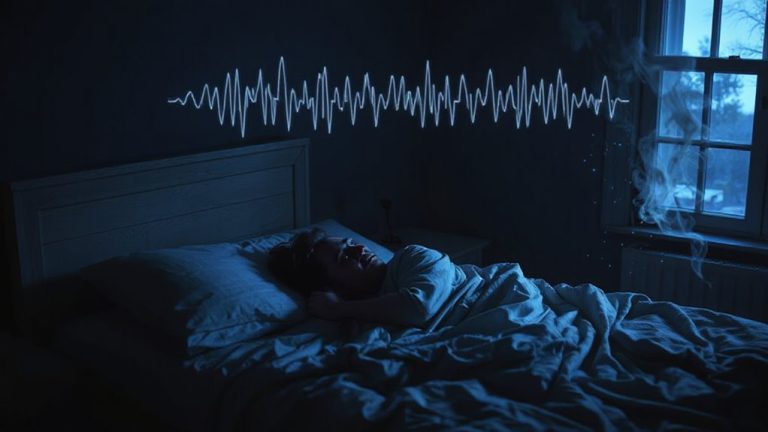
How do you really know if your sleep is restorative? You don’t have to guess-tracking helps. Start with a sleep diary: write down bedtime, wake time, and how you feel each morning. Over time, patterns emerge, like trouble falling asleep or poor energy. Wearable data adds another layer-devices measure heart rate, movement, and sleep stages, giving you objective insights. Combining both methods gives a clearer picture than either alone. When reviewing options, check accuracy, battery life, and ease of use. Many wearables offer app integration and long-term tracking, helping you see trends. If sleep issues persist, share your sleep diary and wearable data with a healthcare provider. These tools don’t diagnose but support informed decisions about sleep routines, potential disorders, or whether trying sleep aids makes sense. Trial periods and warranties often allow testing without risk. For those on a budget, best budget sleep trackers can offer reliable insights without a high price tag.
Screen Time vs. Stress: What Ruins Sleep More?
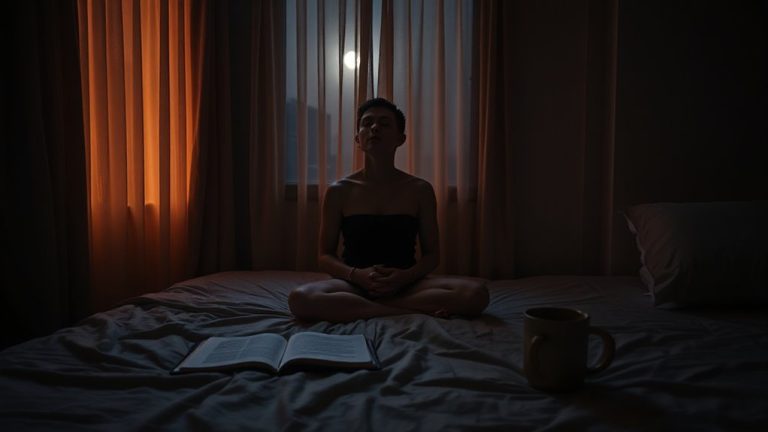
Why do you toss and turn at night-because you’re scrolling late or because your mind won’t quiet down? Both screen time and stress disrupt sleep, but in different ways. Blue light exposure from phones delays melatonin release, making it harder to fall asleep. Meanwhile, mental racing thoughts from daily stress keep your brain active when it should wind down. Below is a comparison:
| Factor | Effect on Sleep | Potential Solution |
|---|---|---|
| Blue light exposure | Delays sleep onset | Use night mode, limit screens 1 hour before bed |
| Mental racing thoughts | Reduces sleep quality | Practice mindfulness or journaling |
| Evening scrolling | Increases alertness | Replace with reading or stretching |
| High stress levels | Causes nighttime awakenings | Try breathing exercises or therapy |
| Combined factors | Worsens insomnia risk | Address both habits and mindset |
Mattress vs. Pillow: What Improves Sleep Quality?
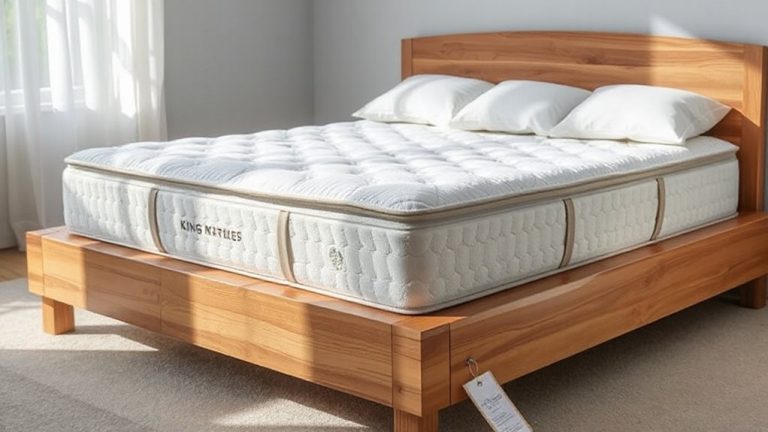
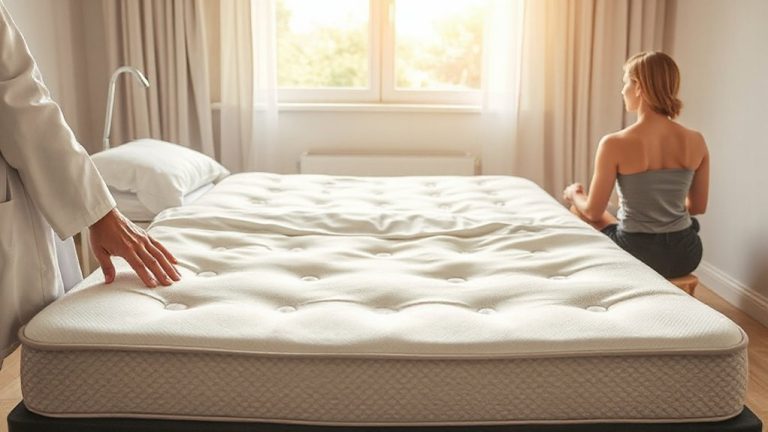
Your sleep environment plays a bigger role than you might think, especially after sorting out habits like screen use and stress management. When comparing your mattress and pillow, both affect spine alignment, but the mattress usually has a greater impact. A supportive mattress maintains your spine’s natural curve, reducing aches and improving sleep quality over time. Look for models with strong material durability-latex and high-density foam often last longer than innerspring coils. Pillows help fine-tune alignment, especially for side or stomach sleepers, but they can’t correct poor foundation support. Choose a pillow that complements your mattress firmness and sleeping position. Many quality brands offer sleep trials and long warranties, so test options risk-free. Prioritize comfort and long-term performance when choosing. Your body will respond best to consistent, durable support night after night. Side sleepers may benefit significantly from using the best side sleeper pillows for optimal neck and shoulder support.
Caffeine, Alcohol, and Exercise: Sleep Impact Compared
While you might feel fine after that afternoon coffee or evening drink, both caffeine and alcohol can quietly disrupt your sleep cycle in different ways. Caffeine timing matters because even six hours before bed can reduce total sleep time and delay falling asleep, given its long half-life. You may not notice the full impact, but it often suppresses deep sleep stages. Alcohol metabolism, on the other hand, produces byproducts that fragment sleep, especially in the second half of the night, reducing REM sleep quality. Though alcohol may make you drowsy at first, it doesn’t support restorative rest. Exercise improves sleep onset and quality for most people, but intense workouts close to bedtime may interfere with wind-down routines. Balancing caffeine timing, limiting alcohol, and aligning exercise with your daily rhythm offers measurable improvements without relying on sleep aids or medical intervention.
How to Test and Compare Your Best Sleep Routine
How do you know which habits truly improve your sleep? Test one change at a time and track results for at least five nights. Focus on your sleep environment and bedtime routines, noting how each affects rest. Keep a journal to support dream analysis-patterns may reveal stress or disruptions. Non-wearable sleep trackers can provide objective data on your sleep patterns without the discomfort of wearing a device.
| Factor | Trial Duration |
|---|---|
| Cooler room temperature | 5 nights |
| No screens 1 hour before bed | 5 nights |
| White noise machine | 5 nights |
| Consistent bedtime | 5 nights |
| Dream journaling | 5 nights |
Compare how alert you feel each morning and your ability to fall asleep. Adjust one variable at a time. A steady routine enhances performance; warranties on sleep aids often require consistent use for 30 days. Choose solutions that suit your lifestyle, not just advertised benefits. This method helps identify real improvements in sleep quality.
On a final note
You’re better off improving sleep quality than just adding hours. Track your patterns with wearable devices or apps to spot what’s working. Reduce screen time before bed and manage stress through simple routines like breathing or journaling. Test your mattress and pillow for support and comfort, replacing them if worn. Limit caffeine and alcohol, especially later in the day, and exercise earlier. Try small changes one at a time, giving each a few nights to assess. Look for sleep aids with clear trial periods and return policies, so you can test without pressure.