Understanding the Unique Sleep Requirements of Toddlers
Toddlers need 11 to 14 hours of sleep daily, including naps, to support brain development, emotional regulation, and physical growth. Their sleep cycles are shorter and rich in REM, which helps with learning and memory. A consistent bedtime routine-like dim lights, a bath, and stories-cues their body to wind down. Naps fill in sleep gaps and stabilize moods. Watch for irritability or bedtime resistance as signs of poor sleep. Small changes can make a big difference, and there’s more to explore about building better rest.
Notable Insights
- Toddlers aged 1 to 3 need 11 to 14 hours of sleep daily, including naps, to support healthy development.
- Sleep cycles in toddlers last about 60 minutes, cycling through light, deep, and REM stages crucial for brain function.
- Consistent bedtimes and calming routines help regulate sleep cycles and improve overall sleep quality.
- Most toddlers transition from two naps to one between 15 and 18 months, aligning with internal sleep rhythms.
- Signs of sleep deprivation include tantrums, hyperactivity, and attention issues, signaling the need for routine adjustments.
How Much Sleep Do Toddlers Need Daily?
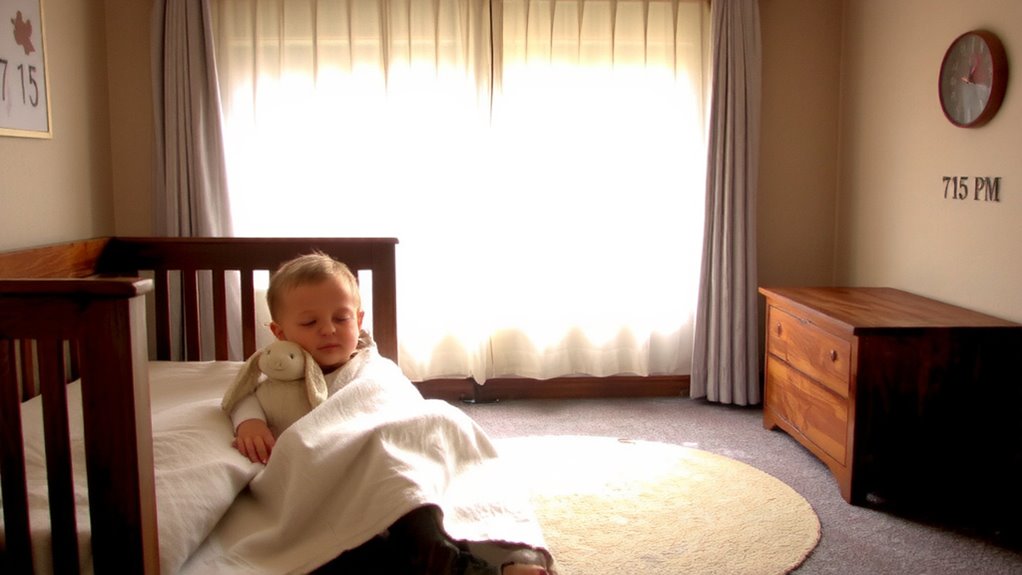
How much sleep your toddler actually needs each day might surprise you-most 1- to 3-year-olds require between 11 and 14 hours, including naps. Their sleep cycles are shorter than adults’, cycling through light, deep, and REM stages roughly every 60 minutes. This means dream patterns begin forming during REM, supporting memory and emotional regulation. Consistent bedtimes help stabilize these cycles, improving overall sleep quality. You’ll notice fewer nighttime wakings and smoother changes when routines are predictable. If your child resists sleep or wakes often, consider tracking patterns for a few days to identify disruptions. Sleep aids like white noise machines or night-lights can help, especially if they’re part of a calm, low-stimulation routine. Always prioritize safety and ease of use with any product, checking for durability and low energy consumption. Trial periods from manufacturers let you test solutions without risk.
Why Toddler Sleep Is Crucial for Growth
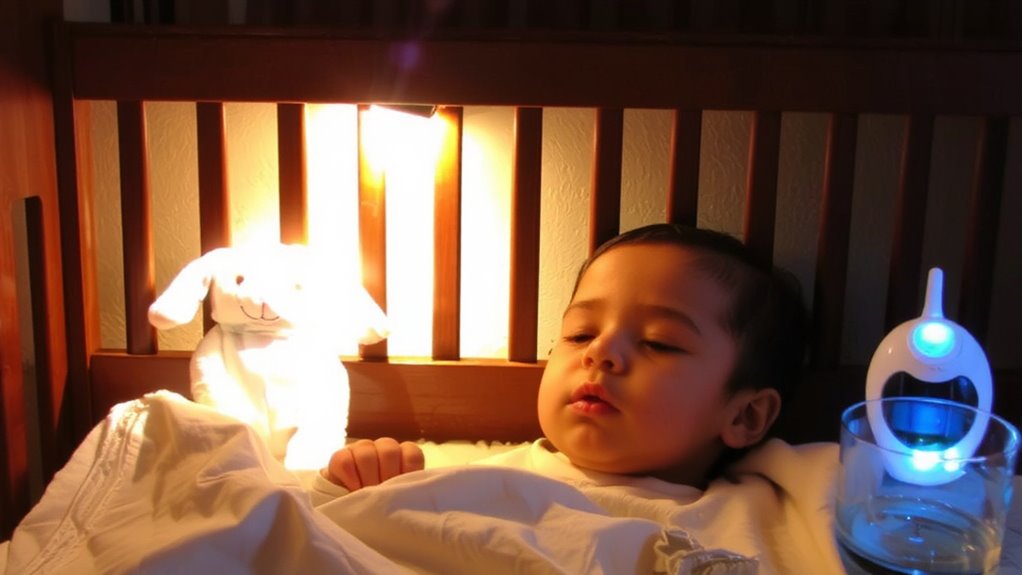
Sleep fuels more than just energy-it’s a cornerstone of your toddler’s development, shaping their brain, body, and behavior every night and nap. You’ll notice how consistent sleep supports brain development, helping your child learn, remember, and solve problems more effectively. When your toddler sleeps well, their neural connections strengthen, improving both motor skills and language. Equally important is emotional regulation-adequate rest helps your child manage feelings, reducing tantrums and irritability. Without enough sleep, they may struggle with focus and responses to everyday frustrations. Sleep disruptions, like frequent night wakings or breathing issues, can interfere with these benefits. While some turn to sleep aids or white noise machines, it’s best to try consistent bedtimes and calming routines first. Monitor sleep patterns closely, and if concerns arise, consult a pediatrician to assess possible disorders. Quality rest isn’t just restorative-it’s essential for healthy growth. A variety of baby sleep schedule helpers can support the development of reliable sleep routines.
How Naps Complete the Toddler Sleep Schedule
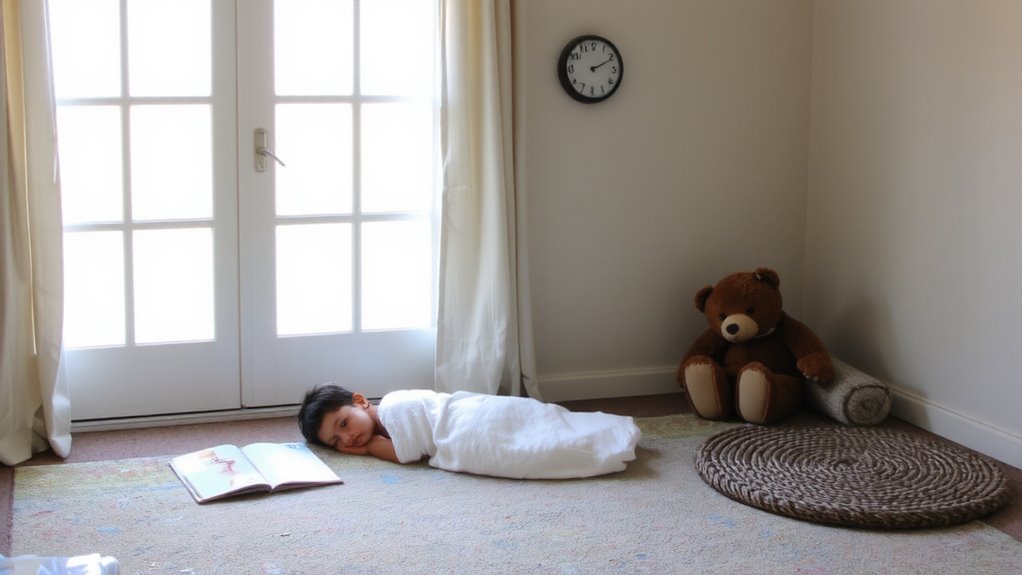
Why might your toddler resist naptime, yet fall apart by late afternoon? Their developing sleep cycles demand consistent rest, and skipping naps disrupts the balance needed for emotional and physical regulation. Naps aren’t optional-they’re essential, filling in the sleep your toddler can’t get at night. As they grow, nap shifts occur naturally, often reducing from two naps to one around 15–18 months. Recognizing signs of readiness, like resisting morning naps but needing an afternoon one, helps guide this shift without stress. Aligning naps with your child’s internal sleep cycles improves nighttime sleep quality and daytime function. A predictable nap schedule supports brain development and mood stability. You don’t need special sleep aids-just consistency, a calm environment, and attention to timing. Tracking patterns helps identify what works, allowing informed decisions about routines and potential adjustments, ensuring your toddler receives full, restorative rest. A supportive sleep environment includes transitioning to the right bed for 2-year-olds as they grow out of cribs.
Signs Your Toddler Isn’t Getting Enough Sleep
Could it be that your toddler’s clinginess or tantrums stem from something more than just a phase? Persistent mood swings and attention issues often point to insufficient sleep. If your child seems overly emotional, easily frustrated, or struggles to focus during play or learning, they might not be getting enough rest. Sleep-deprived toddlers can also display hyperactivity, making it harder to wind down at night. Watch for consistent bedtime resistance, frequent waking, or early rising, as these disrupt total sleep. You may notice they’re forgetful or less responsive to instructions, signaling cognitive fatigue. These signs don’t always mean a sleep disorder, but tracking patterns helps determine if adjustments or professional guidance are needed. Trial changes in nap timing or bedtime, monitor outcomes over a week, and consult a pediatrician if issues persist. A proper sleep foundation supports development, behavior, and daily functioning.
Build a Calming Toddler Bedtime Routine
How can you turn bedtime from a battle into a peaceful shift? By building a consistent, calming routine that signals it’s time to wind down. Start 30–45 minutes before bed with quiet activities like bath time or soft music. Follow with bedtime stories-choose gentle books with simple language to soothe their mind. End with nighttime cuddles, offering warmth and emotional security. This routine helps regulate sleep cycles and supports healthy development. Using a secure and comfortable best swaddles for newborns can further enhance early sleep associations.
| Step | Activity | Duration |
|---|---|---|
| 1 | Dim the lights | 5 min |
| 2 | Warm bath | 10 min |
| 3 | Pajamas & brushing teeth | 5 min |
| 4 | Bedtime stories | 10 min |
| 5 | Nighttime cuddles & lullaby | 15 min |
Stick to the same sequence nightly. Consistency reinforces natural sleep cues without pressure.
Fix Common Toddler Sleep Problems
When your toddler resists bedtime or wakes frequently through the night, could the issue lie in subtle misalignments in sleep habits rather than outright defiance? Small changes in their sleep environment often make a meaningful difference. Make certain the room is dark, quiet, and cool, using blackout curtains and a white noise machine if needed. Check that the mattress supports comfort without overheating. Many toddlers experience bedtime fears, which can delay sleep or cause night wakings. Gently address these by using a nightlight or comfort object, reinforcing safety without prolonging interaction. Avoid screens before bed, as blue light can disrupt melatonin release. If problems persist beyond a few weeks, consider tracking sleep patterns to discuss with a pediatrician. Some sleep aids, like sound machines or weighted blankets, may help-but always verify safety standards and age recommendations before use.
How Good Sleep Improves Daily Toddler Behavior
A well-rested toddler is often more engaged, adaptable, and emotionally balanced throughout the day. When your child gets enough quality sleep, you’ll likely notice smoother shifts between activities and fewer meltdowns. Good sleep supports emotional regulation, helping your toddler manage frustration and respond better to daily challenges. With improved mood and focus, they’re more open to learning and connection, which makes positive reinforcement more effective during routines like meals or playtime. You might find that consistent bedtime patterns reduce resistance, making it easier to maintain healthy habits. Sleep impacts behavior markedly, so monitoring sleep duration and quality can guide your decisions about routines or potential sleep aids. If issues persist, consider discussing them with a pediatrician to rule out underlying sleep disorders. Trial adjustments with patience and observation help determine what works best for your child’s needs.
On a final note
You’ll notice your toddler thrives when consistent sleep matches their age’s needs-about 11 to 14 hours daily, including naps. A calming routine helps, as does recognizing signs of sleep deficits like irritability or poor focus. Address common issues like nighttime waking with patience and structure, not quick fixes. Consider sleep aids only after evaluating safety, material quality, and your child’s habits. Monitor changes over time and adjust as needed, ensuring rest supports growth, mood, and learning.