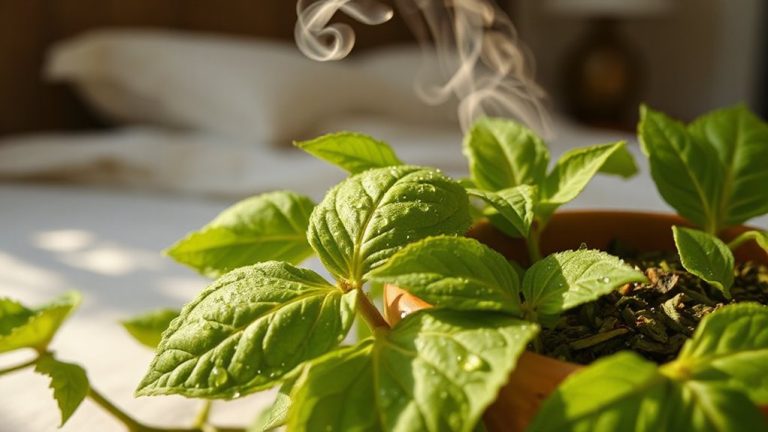
Valerian Root Herb Combinations: Passionflower, Chamomile & Lemon Balm
You get deeper relaxation when you combine valerian root with calming herbs like passionflower or chamomile, as they work together to support better sleep and reduce tension. These blends may help you fall asleep faster and stay asleep longer, with some herbs enhancing valerian’s effects or easing anxiety more gently. Use standardized extracts or infusions 30 minutes before bed for best results, and allow a week or two to see changes. Watch for drowsiness or interactions, especially if you take other medications. There’s more to discover about tailoring blends to your needs.
Notable Insights
- Valerian root enhances relaxation when combined with calming herbs like passionflower and chamomile due to synergistic effects.
- Pairing valerian with lemon balm provides calmness without next-day drowsiness, improving overall relaxation quality.
- Steep valerian and passionflower together for 10–15 minutes to maximize extraction of soothing compounds.
- Chamomile and valerian infusions reduce sleep onset time and improve sleep quality when used consistently.
- Consult a healthcare provider before combining valerian with sedative herbs or medications to avoid adverse effects.
Why Valerian Works Better in Herbal Blends
While valerian root can support relaxation on its own, you’ll often find it works better when combined with other calming herbs in a blend. This is due to synergistic effects-when herbs interact to boost overall calming power more than they would alone. Some companion herbs may also contribute to bioavailability enhancement, helping your body absorb valerian’s active compounds more effectively. That means you might feel results faster or at lower doses. Blends are especially useful if you’re exploring options for occasional sleeplessness or mild sleep disturbances. Many infusions are formulated with precision, using standardized extracts to guarantee consistent potency. Always check labels for ingredient quality and concentrations. Though results vary, trying a well-balanced blend could offer a smoother, more reliable experience than single-herb preparations. Look for products with transparent sourcing and satisfaction guarantees to make informed choices confidently. For reliable options, consider trying one of the best valerian root supplements recommended in expert roundups.
Pair Valerian With These 5 Calming Herbs
You’ll get more out of valerian root when you pair it with other calming herbs that complement its natural properties. Start with chamomile, known for easing tension and supporting sleep onset. Add passionflower, which may help reduce nighttime awakenings. Lemon balm works well too, enhancing calm without drowsiness the next day. For an anti-inflammatory boost, consider turmeric-its synergy with valerian supports both relaxation and joint health, especially when combined in warm drinks like golden milk benefits routines. That turmeric synergy might also improve mood and sleep quality over time. Finally, ashwagandha adapts to your body’s needs, easing stress-related sleep disruptions. These five herbs, blended carefully, offer a balanced approach to rest. Always start with small doses, monitor your response, and consult a healthcare provider if you have conditions or take medications. Consistency matters-try blends for at least two weeks to assess effects. For high-quality herbal combinations, consider trying a well-rated best chamomile tea blend that includes complementary ingredients like passionflower or lemon balm.
Make a Passionflower and Valerian Infusion for Deep Calm
If you’re looking for a natural way to support deeper relaxation, combining passionflower and valerian in a simple herbal infusion can be a thoughtful choice. The passionflower synergy with valerian may enhance calming effects, helping ease tension without heavy sedation. Use one teaspoon each of dried passionflower and valerian root per cup of hot water. Pour water just off the boil over the herbs, then cover to preserve volatile oils-this infusion technique guarantees maximum extraction. Steep for 10 to 15 minutes, depending on your preferred strength. Strain before drinking to remove plant material. Sip 30 minutes before bedtime or during moments of stress. Some notice effects after a single use, while others benefit more from consistent use over several days. Always start with a lower dose to assess tolerance. This combination works best when part of a balanced routine. Consult your healthcare provider if you’re on medications or managing a sleep disorder.
Use Chamomile and Valerian for Restful Sleep
A gentle path to restful sleep might begin with a simple blend of chamomile and valerian root, two well-known herbs with a long history of use for calming the mind and supporting sleep. You can brew them together as a warm infusion about 30 minutes before your bedtime ritual to signal your body it’s time to unwind. Chamomile offers mild sedative properties, while valerian root may increase GABA levels, helping reduce the time it takes to fall asleep. Together, they can enhance sleep quality without next-day grogginess for many users. You’ll likely notice effects after consistent use over a week or two. Though not a cure for clinical sleep disorders, this herbal combo serves as a natural sleep aid option worth trying. Always check with your healthcare provider if you’re on other medications. Start with a standard dose and adjust based on your response.
Calm Anxiety With Lemon Balm and Valerian
What if your next step toward managing everyday anxiety could be as simple as a soothing cup of herbal infusion? Combining lemon balm and valerian creates a powerful lemon balm synergy that supports calm without drowsiness. You’ll benefit from their complementary anxiety relief mechanisms-valerian gently influences GABA receptors, while lemon balm boosts calming neurotransmitters. Together, they help reduce nervous tension and promote mental clarity during stressful moments. This blend works well when sipped midday or before known stress triggers. Steep one teaspoon of dried herbs in hot water for 10 minutes to fully extract active compounds. Consistent use over one to two weeks typically brings noticeable results. It’s non-habit forming, but you should consult a healthcare provider if you’re on sedatives. For best outcomes, choose organic, lab-tested blends to guarantee potency and safety.
Customize Valerian Blends for Your Stress Needs
Why settle for a one-size-fits-all approach when you can tailor your valerian infusion to match your specific stress pattern? Custom blends let you adjust potency and effect based on your personal sensitivity and daily demands. By pairing valerian with complementary herbs, you support targeted relaxation without over-sedation. Consider these combinations to meet your needs:
| Stress Type | Recommended Herb Pairing |
|---|---|
| Daytime tension | Valerian + Passionflower |
| Insomnia onset | Valerian + Chamomile |
| Restless mind | Valerian + Lavender |
| Nighttime anxiety | Valerian + Lemon Balm |
| Chronic fatigue | Valerian + Ashwagandha |
Small adjustments in ratios help fine-tune results. Start with low amounts to assess your personal sensitivity. Custom blends work best when adjusted over time-monitor your sleep quality and stress response. This method offers a practical path to improved rest using natural sleep aids, allowing informed decisions about what supports your sleep patterns most effectively.
Stay Safe: Avoid Side Effects When Mixing Valerian
Mixing valerian with other herbs can boost its calming effects, but knowing how to combine it safely matters just as much as choosing the right blend. You should watch for potential interactions, especially if you’re using sedative herbs like kava or passionflower-combining them may increase drowsiness more than intended. Always follow clear dosage guidelines: a typical dose is 300–600 mg of valerian root extract, taken 30 to 60 minutes before bed. Start low and adjust slowly. If you have a sleep disorder or take medications like benzodiazepines or antidepressants, talk to a healthcare provider first. Some combinations may affect liver enzymes or intensify side effects like dizziness or morning grogginess. Pay attention to how your body responds after each use. Keeping a sleep journal can help track improvements and spot issues early. Safety comes from informed choices, not just stronger blends.
On a final note
You might find valerian more effective when combined with herbs like passionflower or chamomile, depending on your sleep needs. These blends can ease anxiety or support deeper rest, but responses vary. Start with low doses to assess tolerance, especially when mixing herbs. Always check for interactions with medications. While natural, these infusions aren’t risk-free. Short-term use is generally safe for most, but consult a healthcare provider if you have ongoing sleep issues.