Valerian for Restless Leg Syndrome: Dosage & What to Expect
You might find valerian helpful for improving sleep if you have restless leg syndrome, as it can reduce nighttime leg discomfort and support relaxation. It works by increasing GABA, a calming brain chemical, with effects usually seen after a few days of consistent use. Try 300–600 mg before bed, starting low to gauge your response. While not as strong as prescription options, it’s a milder choice for some. Side effects like dizziness or grogginess are possible, and long-term safety isn’t well known. It may interact with sedatives or alcohol, so use caution. Many report modest benefits, especially with short-term use, and exploring how it fits your routine could reveal whether it’s a suitable option for you.
Notable Insights
- Valerian root may improve sleep quality in people with mild restless leg syndrome by promoting relaxation.
- It potentially reduces nighttime leg discomfort through calming effects on the nervous system.
- Taking 300–600 mg of valerian 30 minutes to two hours before bed is a common dosage for sleep support.
- Benefits may take one to two weeks of consistent use to become noticeable.
- While generally safe short-term, valerian can cause dizziness or grogginess and may interact with sedatives or alcohol.
What Is Restless Leg Syndrome and Why It Ruins Sleep
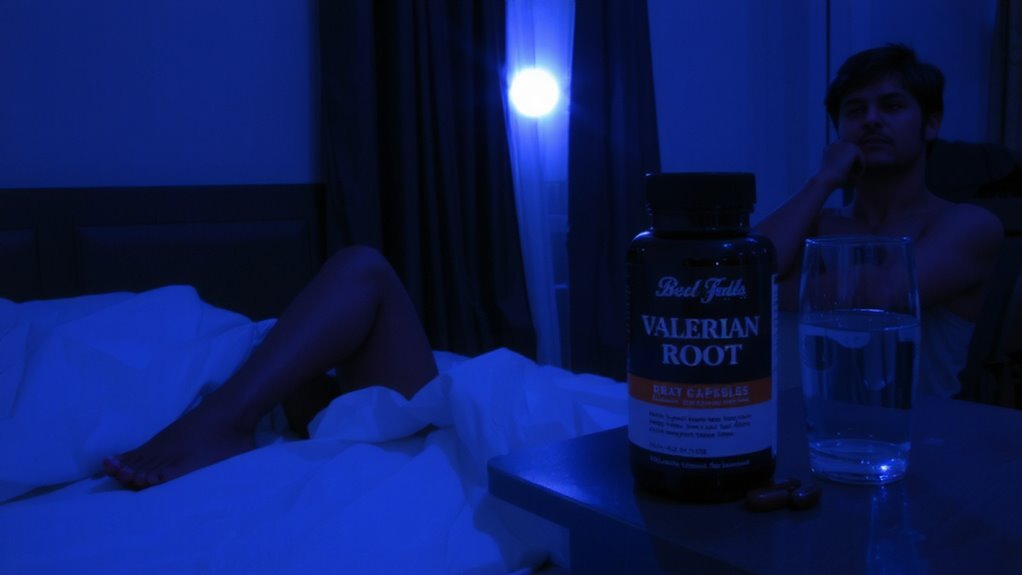
Why does the urge to move your legs strike just as you’re trying to fall asleep? You might feel crawling, tingling, or deep muscle tension in your limbs, especially at night. That’s restless leg syndrome (RLS), a neurological condition that triggers an overwhelming need to shift or move your legs. It often peaks during rest, making falling asleep difficult and causing repeated sleep disruption. Symptoms vary-you may experience them weekly or nightly, with intensity changing over time. RLS doesn’t just delay sleep onset; it fragments your rest, reducing overall sleep quality. While the exact cause isn’t always clear, iron levels, nerve function, and genetics may play roles. You’re not imagining it-RLS is a recognized medical issue. If leg discomfort regularly interferes with your sleep, tracking patterns and discussing them with a healthcare provider can help identify effective strategies, including lifestyle changes or targeted treatments to improve rest without immediate reliance on supplements.
Can Valerian Help With Restless Legs?
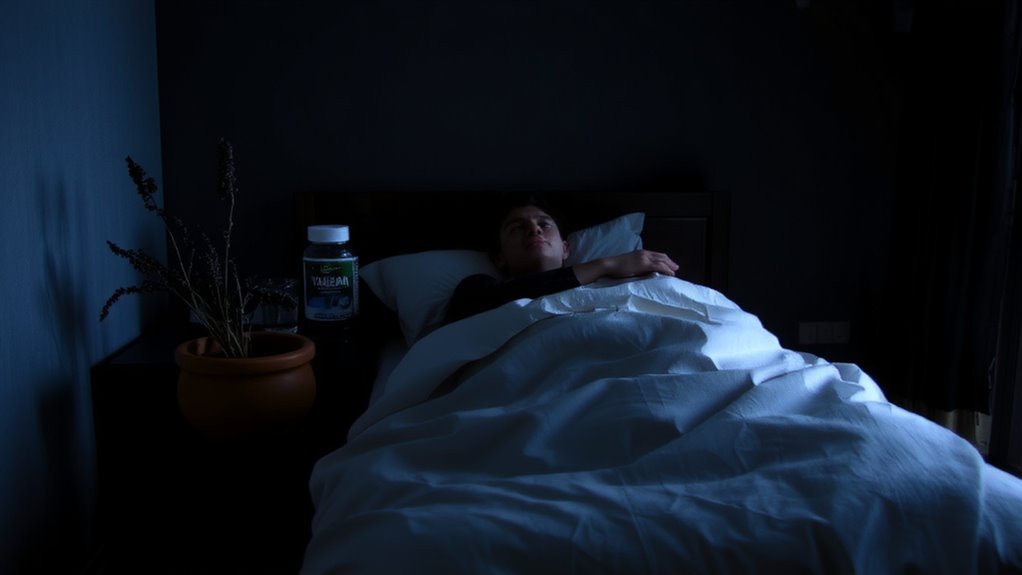
You’ve probably tried adjusting your bedtime routine or checked your iron levels after learning how restless leg syndrome (RLS) can disrupt sleep, especially at night when stillness makes symptoms worse. Now you’re considering natural remedies like valerian root. Valerian is a herb traditionally used to support relaxation and improve sleep quality, often taken as a supplement or tea before bed. Some people report reduced nighttime leg discomfort and better rest, though experiences vary. It may work by calming the nervous system, which could ease RLS sensations enough to help you fall asleep faster. While not a cure, valerian offers a mild option worth trying, especially if stronger medications aren’t your first choice. Keep in mind it can take a few weeks to notice effects, and results depend on dosage, body chemistry, and symptom severity. Always talk to your doctor before starting any new sleep aid.
What Science Says About Valerian for RLS

While research on valerian for restless leg syndrome remains limited, available studies suggest it may offer modest benefits for sleep quality and symptom relief. You’ll find that valerian likely affects brain chemistry by boosting levels of GABA, a calming neurotransmitter, which could help reduce nighttime leg discomfort and improve sleep onset. Some clinical evidence points to improved rest in people with mild RLS, though results vary and aren’t as strong as those for prescription treatments. Most trials are small or short-term, so long-term effectiveness and safety aren’t fully known. You should consider valerian a complementary option, not a replacement, especially if symptoms are severe. It may work better when combined with good sleep habits. Always review potential interactions with other medications. While not a definitive solution, it’s a low-risk choice worth trying for some.
How to Take Valerian for Restless Legs
Taking valerian for restless legs starts with understanding the right form, timing, and dosage to fit your routine. You’ll find valerian in several supplement forms, including capsules, tablets, teas, and tinctures-each affects how quickly it works and how easy it is to use. Capsules are convenient, while tea may help signal bedtime. For dosage timing, most people take 300–600 mg about 30 minutes to two hours before bed. Start low, like 300 mg, to see how you respond. Since valerian may take a few days to build up in your system, giving it a consistent try for a week or two helps assess its effect. You can adjust the dose or switch supplement forms if needed, based on your comfort and sleep patterns. Choosing the right approach depends on your preferences and how your body reacts.
Is Valerian Safe? Side Effects and Warnings
Could something as natural as valerian still come with risks? Yes, while many people tolerate it well, you should know about possible side effects and safety concerns. Some report mild dizziness, upset stomach, or morning grogginess, especially when starting out. There’s limited research on long term use, so it’s best to use valerian for short periods unless under medical supervision. Be careful with drug interactions-valerian can boost the effects of sedatives, antidepressants, and alcohol, potentially causing excessive drowsiness. If you’re on any medications or have a health condition, talk to your doctor before trying it.’s not recommended during pregnancy or for children without professional guidance. while valerian may help with restless legs and sleep, weigh the potential benefits against risks, monitor how you feel, and consider periodic breaks to assess its ongoing effect. For those seeking non-pharmaceutical options, best insomnia remedies can offer additional evidence-based strategies to improve sleep quality.
On a final note
Valerian may help improve sleep in people with restless leg syndrome by promoting relaxation, though evidence remains limited. You’ll want to take into account its mild effects compared to prescription options. Try it for a few weeks to see if sleep quality improves, using the recommended dosage. Check with your doctor first, especially if you take other medications. It’s generally safe for short-term use, but possible side effects include dizziness or daytime drowsiness.