Using Natural Sunlight to Reset Your Body’s Internal Clock During Long-Term Illnesses
You can use morning sunlight to reset your body’s clock during long-term illness, even if you’re mostly indoors. Just 20 to 30 minutes near a bright window helps regulate melatonin and cortisol disrupted by inflammation and irregular rest. East-facing light soon after waking works best, supporting alertness by day and better sleep at night. If fatigue or weather limits access, daylight-mimicking lamps offer a flexible alternative. Consistency matters more than perfection-small, daily efforts add up, and there’s more to learn about making light work for your rhythm.
Notable Insights
- Morning sunlight exposure helps recalibrate circadian rhythms disrupted by long-term illness.
- Immune-related cytokines can disturb sleep cycles, making sunlight crucial for rhythm restoration.
- Aim for 20–30 minutes of daylight each day to strengthen the body’s internal clock.
- Sitting near an east-facing window in the morning supports melatonin and cortisol regulation.
- Consistent daily light exposure, even indoors, improves sleep quality and reduces fatigue symptoms.
How Sunlight Resets Your Body Clock When You’re Unwell
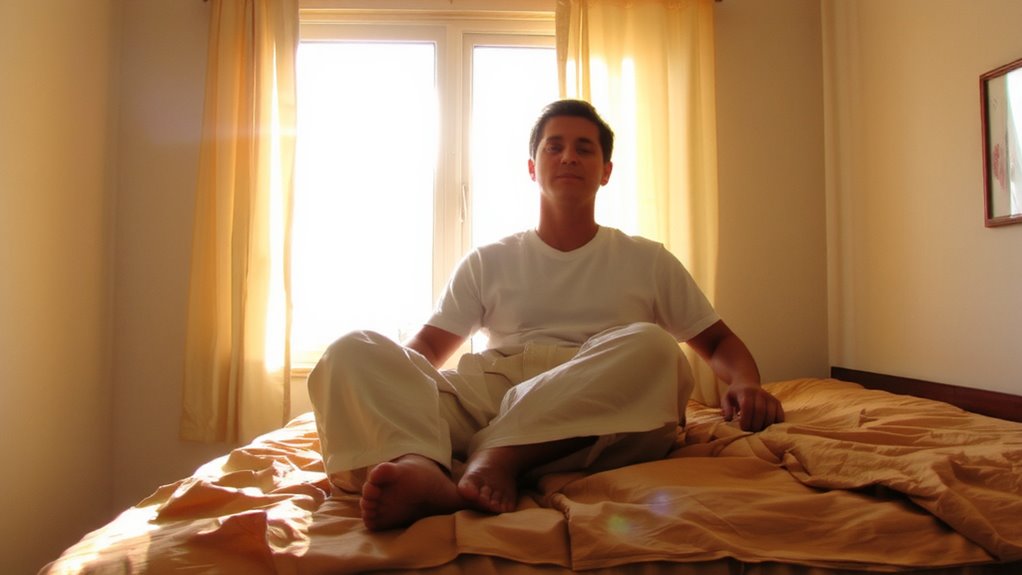
Why might your body feel so out of sync when you’re sick? Illness often disrupts your natural cues for rest and wakefulness. Sunlight plays a key role in bringing balance back. Exposure to natural light, especially in the morning, helps set your sunlight timing, signaling your brain to start the day. This light exposure supports proper melatonin regulation, ensuring the hormone rises at night and falls during daylight. When you’re unwell, spending even 20–30 minutes near a window or outdoors can strengthen this rhythm. You don’t need intense sunlight-just consistent daily exposure. Over time, this practice may reduce reliance on sleep aids and improve sleep quality. It’s a simple, no-cost strategy with minimal risk. Consider pairing it with a regular wake-up time to reinforce results. Your body’s clock responds best to predictable patterns, and sunlight is one of its most reliable guides.
How Illness Disrupts Your Circadian Rhythm
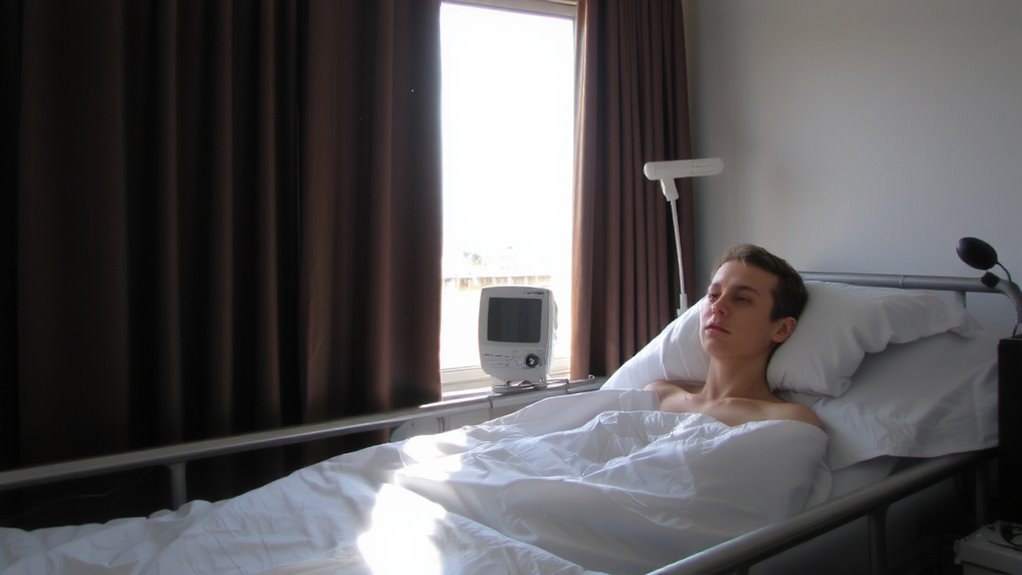
When you’re sick, how does your body lose track of day and night? Illness throws off your circadian rhythm by altering key biological signals. Your immune response releases cytokines that interfere with normal sleep-wake cycles, often making you feel exhausted at odd times or restless when you need rest. These changes can deepen hormonal imbalances, disrupting melatonin and cortisol levels that regulate energy and sleep. Without clear cues for when to be alert or when to wind down, your internal clock drifts. This shift may worsen existing sleep disorders or create new sleep challenges. You might consider natural light exposure later to help re-sync your rhythm, but first understanding this disruption helps you make informed choices about rest, sleep aids, or adjusting habits. Recognizing how illness impacts your body’s timing supports better decisions about recovery and long-term well-being. For those unable to access sufficient sunlight, using a high-quality light therapy lamp can effectively simulate natural daylight and support circadian realignment.
When During the Day Sunlight Helps Most
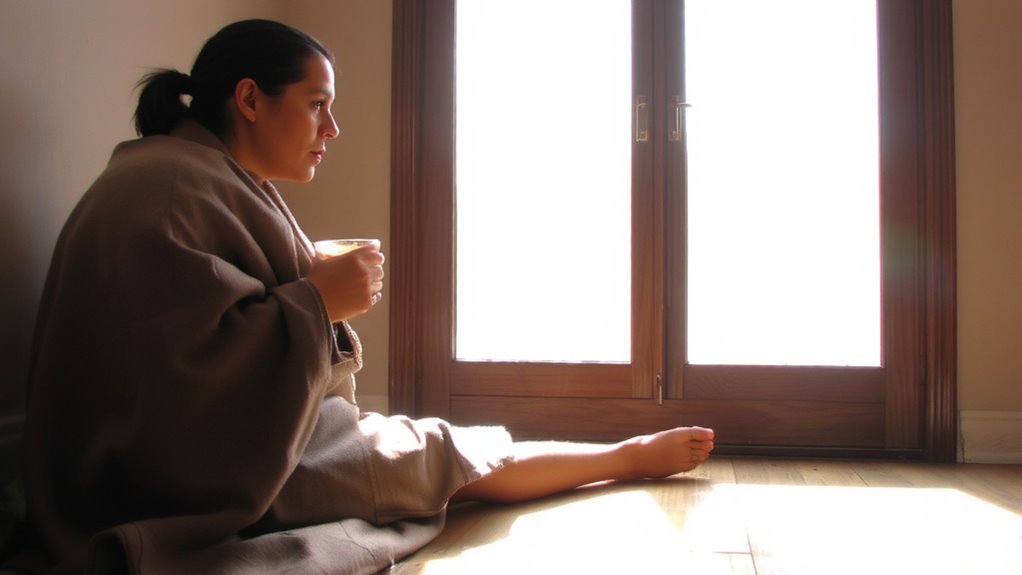
Could timing your sunlight exposure be the key to steady energy and better sleep? Yes - and it starts with smart timing. Your body’s internal clock responds strongest to bright light in the morning and early afternoon. That’s why midday exposure, even just 20–30 minutes outdoors, helps anchor your rhythm and supports alertness. The natural peak in sunlight intensity around noon reinforces your circadian signal, making it easier to stay awake and focused. Later, as evening approaches, your system prepares for rest. That’s where evening dimming matters - reducing bright and blue-rich light helps your body shift into sleep mode naturally. You don’t need extra sleep aids if you use light wisely. Consistent patterns of midday exposure and evening dimming can reduce the need for medication or devices. Over time, this routine may improve sleep quality and daytime function, especially during long-term illness, with no side effects and no trial period needed - just daily practice.
Get Morning Light: Even From Inside
Isn’t it surprising how simply sitting near a window in the morning can make a difference in your energy and sleep? Even indoors, window lighting delivers enough natural light to signal your body’s internal clock. Indoor exposure to morning sunlight, especially within the first hour after waking, helps regulate melatonin and cortisol levels. You don’t need direct sun-just being near a bright window works. East-facing windows offer the best morning light, but any clear view of the sky helps. Try positioning your chair or bed so sunlight reaches you early. Consistency matters more than duration-aim for 15 to 30 minutes daily. This small step may improve sleep timing and reduce reliance on sleep aids. Over time, routine indoor exposure supports a more stable rhythm, especially when mobility or weather limits time outside. It’s a low-effort, no-cost option with measurable benefits for sleep health.
Overcome Barriers Like Fatigue, Weather, or Pain
You might already know morning light helps set your body’s clock, even when you’re indoors, but life doesn’t always make it easy to use that light consistently. Fatigue might keep you in bed, bad weather blocks the sun, or pain makes movement hard-yet regular light exposure still matters. On days when going outside isn’t possible, turn to indoor alternatives like sitting near a bright window, using a daylight-mimicking lamp, or opening blinds wide during early hours. These options provide consistent signals to your body, supporting healthy sleep patterns. Even limited light exposure helps maintain rhythm, especially when timed daily. Indoor alternatives won’t replace sunlight perfectly, but they offer reliable support when symptoms flare. Choose devices with steady, diffused output and minimal glare to reduce strain. With thoughtful use, you can sustain benefits despite physical limits, helping your body adjust without adding stress.
Build a Light Routine Around Your Energy
Why does the same morning routine leave you energized one day and drained the next? Your energy levels shift daily, especially during long-term illness, so rigid schedules can work against you. Instead, build a light routine around your actual energy. Notice when you feel most alert-use that window for outdoor light exposure to support better light timing. Even 10–15 minutes of morning sunlight helps set your body’s clock. On low-energy days, sit by a bright window if going outside isn’t possible. This keeps energy alignment without overexertion. Track patterns for a week: when energy rises, plan light exposure then. Adjust gradually. Consistency matters less than responsiveness when rebuilding rhythms. Over time, this flexible approach improves sleep onset and quality. Avoid forcing fixed wake times. Let light timing follow your energy, then gently shape it. No special tools needed-just observation and small, informed steps.
On a final note
Sunlight helps reset your body’s clock, especially when illness throws it off. Morning light, even through a window, signals your brain to stay alert and adjust sleep timing. If fatigue or pain limits movement, position yourself near a bright window early in the day. A consistent light routine supports better sleep without relying on aids. Small, daily efforts, like opening curtains or sitting by natural light, can improve rest over time-no special equipment or cost needed.