Understanding the Impact of Shift Work on Women’s Health Due to Unique Chronotype Variations
Your chronotype affects how well you handle night shifts, especially as a woman. If you’re a morning type, night work can disrupt your sleep and increase health risks like insomnia or hormonal imbalances. Night owls adapt better, but still face sleep inertia and light-related disruptions. Aligning shifts with your natural rhythm improves sleep quality and hormonal health. Consider using melatonin, blackout curtains, or consistent routines-small changes that make a difference. There’s more to explore on optimizing your schedule for long-term well-being.
Notable Insights
- Women with evening chronotypes adapt better to night shifts due to natural alignment with delayed sleep-wake cycles.
- Morning-type women face higher health risks from night work, including metabolic and mood disorders.
- Night shift work disrupts melatonin, affecting estrogen and progesterone regulation in women.
- Evening chronotypes report better sleep quality during night shifts than morning types.
- Aligning shift schedules with individual chronotypes improves sleep, alertness, and long-term health outcomes.
How Women’s Chronotypes Affect Night Shift Tolerance

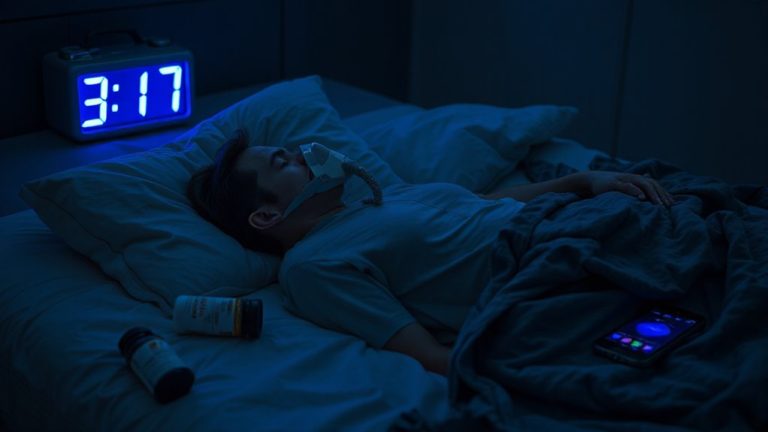
While your body’s natural sleep-wake cycle plays a big role in how well you handle night shifts, understanding your chronotype can help you make smarter choices about sleep and alertness. If you’re a natural evening person, you likely adapt better to night work, since your internal clock resists early sleep and wake times less. This means less circadian misalignment, which reduces strain on your system. Poor sleep quality is common among night-shift workers, but those with evening chronotypes often report more restful sleep after nighttime shifts. Morning types, in contrast, usually struggle more with staying alert and falling asleep during the day. Recognizing your chronotype helps you plan sleep schedules, choose appropriate light exposure, and consider sleep aids wisely. Tracking your patterns over a few weeks can guide better decisions. Small adjustments improve tolerance, even if they don’t eliminate challenges.
Why Early Chronotypes Face Higher Health Risks

You’re more likely to face long-term health challenges on night shifts if your body naturally prefers mornings. Your genetic predisposition to wake early disrupts your sleep architecture when working nights, making it harder to fall asleep and stay rested. This misalignment increases risks for insomnia, metabolic issues, and mood disorders over time. Since your internal clock expects sleep at night, forcing wakefulness reverses natural rhythms, reducing sleep quality even with consistent effort. Though blackout curtains and white noise machines may help, they can’t fully correct the mismatch. Some find melatonin supplements support adjustment, but results vary. Prioritizing sleep hygiene and considering wearable trackers to monitor sleep stages may guide better personal choices. A top-rated sleep support system can further enhance rest by combining environmental controls with personalized feedback. Always consult a sleep specialist if problems persist-many treatments have trial periods and professional advice guarantees safer, more effective use.
How Night Owls Adapt to Shift Work (And Their Limits)

Why do night owls seem to handle shift work better than early risers? Your natural rhythm delays sleep onset, so nighttime work feels less disruptive. You experience less circadian misalignment than early types, making it easier to stay alert during evening or night shifts. But don’t mistake adaptation for immunity-when your shift ends in daylight, morning sun can still reset your internal clock, disturbing your sleep schedule. Even you face sleep inertia: that groggy slowdown upon waking, especially after short or interrupted rest. To reduce it, consider a consistent sleep routine, blackout curtains, and possibly melatonin supplements under medical guidance. Some try caffeine strategically, but timing matters to avoid nighttime alertness or daytime crash. While your chronotype gives you an edge, long-term shift work still strains your system. Monitor sleep quality, watch for signs of sleep disorders, and evaluate sleep aids cautiously, noting trial periods and provider recommendations.
How Night Shifts Disrupt Hormones and Menstrual Cycles
When you work through the night, your body’s natural hormone rhythms get thrown off, and over time, this can affect your menstrual cycle. Exposure to light at night suppresses melatonin, which in turn can interfere with reproductive hormones like estrogen and progesterone. This disruption often leads to hormonal imbalance, increasing the risk of cycle irregularities such as missed, prolonged, or unusually heavy periods. Shift work doesn’t cause these issues in everyone, but frequent night shifts make them more likely. Your body may struggle to adjust, especially if you rotate shifts often. Tracking your cycle and sleep patterns can help identify changes early. Consider discussing symptoms with a healthcare provider, who might suggest hormone testing or safe, temporary use of sleep aids to support better rest. Though not a fix for hormonal imbalance, improved sleep hygiene may reduce some impacts over time.
How to Match Your Shift Schedule to Your Chronotype
Your body’s internal clock, or chronotype, plays a bigger role in how well you handle shift work than you might think-especially after seeing how night shifts can throw off hormones and menstrual cycles. If you’re a natural early riser, night shifts likely worsen sleep quality, making work alignment harder and raising the risk of sleep disorders. Shift timing that matches your chronotype-like mornings for “larks” or evenings for “owls”-can improve alertness and long-term well-being. For those stuck with misaligned shifts, consistent sleep schedules, darkened rooms, and cautious use of sleep aids may help. Light exposure management, like bright lights at work and darkness at home, supports adjustment. Consider apps that track sleep patterns to test what works. Some employers offer flexibility-if available, use it to improve work alignment. Small changes in routine, backed by trial and personal monitoring, can make a noticeable difference over time.
On a final note
You may handle shift work better by aligning it with your natural chronotype-early risers often struggle more with night shifts, while night owls adapt easier, though not without limits. Disrupted sleep can affect hormones and menstrual cycles over time. Consider tracking your sleep patterns and discussing persistent issues with a healthcare provider. Short-term aids, like melatonin, might help, but try adjusting light exposure and schedule consistency first, since long-term reliance on sleep aids carries risks not all users consider.