The Role of Sleep Pressure in Shift Work Sleep Disorder
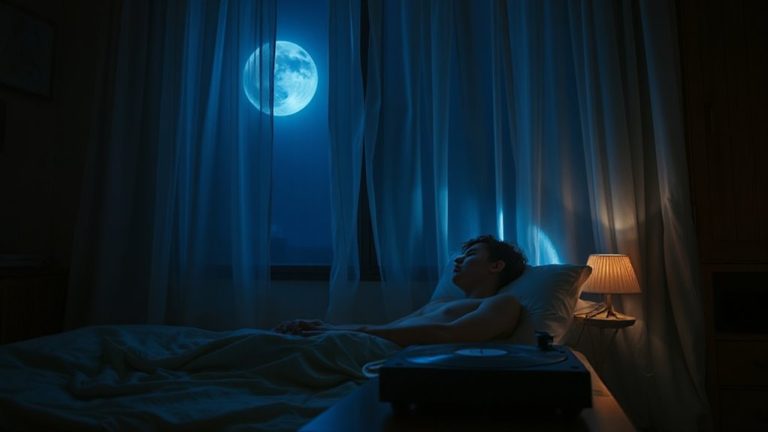
You feel sleep pressure building the longer you’re awake, and when you work nights, it peaks during your shift, making alertness harder. This misalignment disrupts melatonin, weakens sleep quality, and fuels shift work sleep disorder. Light exposure, caffeine timing, and consistent rest schedules influence how well you adapt. Daytime sleep often suffers from noise and light, but blackout curtains and white noise can help. Genetic differences affect your tolerance, so strategies must be personalized-your routine choices shape what comes next.
Notable Insights
- Sleep pressure builds with prolonged wakefulness, making shift workers drowsy during night shifts when their bodies expect rest.
- Misaligned sleep pressure disrupts sleep quality, as shift workers struggle to sleep when their pressure is not at its peak.
- Attempting to sleep during the day often fails because sleep pressure is lower than at night due to circadian timing.
- Post-shift sleep can be more effective if timed to coincide with peak sleep pressure after prolonged wakefulness.
- Chronic misalignment between sleep pressure and work schedules contributes to the development of shift work sleep disorder.
What Is Sleep Pressure? (And Why Shift Workers Feel It Differently)
While your body naturally builds sleep pressure-the urge to sleep that increases the longer you’re awake-shift workers often experience this process out of sync with their schedules. You’re expected to stay alert when your body signals rest, weakening sleep quality and disrupting hormonal balance. This misalignment means sleep pressure peaks at unwanted times, like during a night shift, or fades when you need it, like during daytime rest. Your brain relies on consistent signals, but irregular hours confuse its timing cues. Over time, poor sleep quality can affect focus, mood, and long-term health. Maintaining better hormonal balance involves managing light exposure, meal timing, and consistent rest periods-even if they’re not overnight. While you might consider sleep aids, they should support, not replace, natural rhythms. Short-term use may help, but check with a provider to avoid dependency. Prioritizing sleep structure improves both performance and recovery.
How Night Shifts Disrupt Your Sleep-Wake Cycle
Because your body’s internal clock runs on a roughly 24-hour cycle tuned to daylight and darkness, working nights forces you to stay awake when your system expects rest. Staying alert during nighttime hours often leads to heavy reliance on caffeine dependency, which can linger and delay sleep even after your shift ends. Meanwhile, daytime light-especially blue light exposure from screens and sunlight-confuses your brain into thinking it’s time to be awake, weakening your ability to fall asleep quickly. Even on days off, your rhythm may not fully adjust, making consistent sleep difficult. While blackout curtains and blue light filters can help, timing caffeine use earlier in your shift and limiting screen time before bed may improve sleep onset. These strategies support your body’s natural cues, making rest more achievable without relying solely on sleep aids.
Why Misaligned Sleep Pressure Triggers Shift Work Sleep Disorder
When your body builds up sleep pressure throughout the day, it relies on timing cues to release that pressure at the right moment-typically at night-but shifting your work hours disrupts that balance. Your sleep drive may peak when you’re supposed to be alert, making focus difficult. Then, when you finally try to rest, light exposure, environmental noise, or an off-cycle circadian rhythm can block deep sleep. Some people handle this better due to genetic predisposition, but many struggle to adjust. Misaligned sleep pressure doesn’t just cause drowsiness-it actively interferes with sleep quality and daytime recovery. Managing it starts with consistent sleep schedules, even on days off, and optimizing your bedroom for darkness and quiet. Consider white noise machines to counter environmental noise. A well-chosen white noise fan can further enhance sleep quality by providing consistent sound masking and airflow. While sleep aids may offer short-term relief, their long-term use requires medical guidance. Tracking your patterns helps identify what supports or disrupts your rest.
How Circadian Misalignment Creates a Vicious Sleep Cycle
If your internal body clock stays out of sync with your work hours, it can throw off every part of your sleep routine, making rest feel unattainable no matter how tired you are. This misalignment promotes cognitive fatigue and can deepen social isolation as your schedule drifts from others’. Over time, poor sleep quality feeds into a cycle where daytime sleep feels lighter and more broken, reducing sleep pressure when you need it most. Choosing the right sleeping pills for night shift workers can help improve sleep quality and support rest during unconventional hours.
| Factor | Effect | Impact |
|---|---|---|
| Circadian misalignment | Disrupted melatonin release | Poor sleep onset |
| Night shift work | Daytime sleep interruptions | Reduced sleep pressure |
| Social isolation | Limited daytime interaction | Increased cognitive fatigue |
When to Sleep: Timing Sleep Pressure for Night Shift Recovery
Though your body may resist it, aligning sleep with your natural sleep pressure after night shifts can improve recovery over time. Your sleep timing matters most when you’re working nights-sleeping too early or too late can weaken sleep quality and delay recovery optimization. Ideally, try to sleep within a few hours after your shift ends, even if sunlight is present. Using blackout curtains and white noise can help mimic nighttime conditions. This consistency strengthens your body’s ability to fall and stay asleep. Though it may take days to adjust, sticking to a repeatable post-shift schedule supports longer, deeper rest. Sleep pressure builds the longer you’re awake, so waiting too long after your shift also risks disrupted sleep. Planning rest when your sleep pressure peaks-yet balancing practical obligations-is key. Small, evidence-based adjustments in sleep timing can meaningfully improve recovery optimization over weeks. A well-timed rest routine can be further supported by using a best sleep alarm clock designed to promote natural waking during lighter sleep stages.
How to Reduce Sleep Pressure at the Wrong Times
A key challenge in managing shift work sleep disorder is keeping sleep pressure low during times when you need to stay awake, especially before or during night shifts. To do this, you can use bright light exposure early in your shift, which helps signal your brain to stay alert. Avoid dim environments, as they encourage drowsiness. Caffeine timing also matters-consume it within the first half of your shift, ideally within 30 to 60 minutes of starting, so it supports alertness without interfering with post-shift sleep. Don’t use caffeine too late, or it might delay your ability to rest when needed. These strategies don’t eliminate sleep pressure, but they can shift its impact to more manageable times. Combined, smart light exposure and precise caffeine timing offer practical ways to stay alert when necessary.
Smart Sleep Strategies for Rotating Shift Schedules
While rotating shifts can make consistent sleep habits tough to maintain, planning your rest around your work pattern helps reduce the toll on your body. Use sleep tracking to spot trends in your sleep quality and duration-it shows when you’re getting deep rest or just lying awake. Knowing your patterns makes it easier to adjust. Time your caffeine carefully; drink it early in your shift but avoid it in the hours before bed, so it doesn’t interfere with sleep pressure buildup. A dark, quiet room and consistent pre-sleep routine can improve rest even on changing schedules. Some people benefit from short naps before night shifts, but long or late naps may hurt nighttime recovery sleep. Trial different strategies for a few shifts and use your sleep tracking data to decide what works. Small adjustments in caffeine timing and environment often make a measurable difference over time.
On a final note
You feel sleep pressure differently because night shifts confuse your body’s natural clock. When your sleep drive and circadian rhythm don’t align, it worsens focus, mood, and health. Time your rest carefully, use consistent sleep habits, and consider light control to manage alertness. Some try caffeine or melatonin temporarily, but check with a doctor first. Prioritize sleep length and timing to reduce long-term risks and improve recovery across rotating shifts.