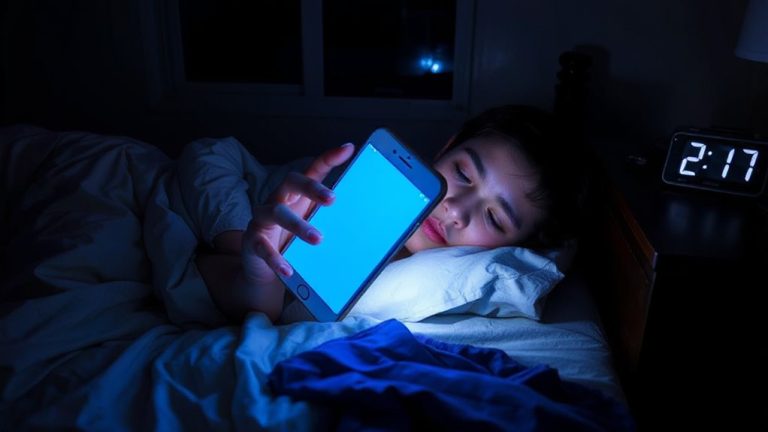
Chronotypes and Sleep Apnea: Identifying Specific Symptoms Based on Personal Biological Routines
You may not realize your night owl habits or early riser schedule affect your sleep apnea risk. If you stay up late, symptoms like restless sleep or gasping can blend in with your routine, making them easy to miss. Morning fatigue or daytime drops might seem normal if you rise early. Your body clock influences breathing stability, so a home sleep test timed to your natural rhythm offers clearer results. CPAP use aligned with your chronotype improves comfort. Tailoring evaluation and therapy to your biological pattern increases accuracy and effectiveness - there’s more to discover about optimizing treatment this way.
Notable Insights
- Night owls may overlook sleep apnea symptoms due to circadian misalignment masking fatigue with natural late-night alertness.
- Early risers might dismiss morning fatigue as poor sleep hygiene, missing silent or internal snoring signs.
- Nocturnal choking or gasping in night owls is often mistaken for stress rather than apnea-related breathing interruptions.
- Circadian misalignment worsens apnea severity by disrupting melatonin timing and weakening upper airway muscle control.
- Home sleep tests aligned with personal chronotype improve detection accuracy by reflecting natural sleep patterns and breathing disruptions.
Night Owls vs. Early Risers: Who’s at Higher Risk for Sleep Apnea?
You might think your sleep troubles are just about staying up late or hitting the snooze button too much, but your natural rhythm-whether you’re a night owl or an early riser-could play a real role in your risk for sleep apnea. Night owls who must wake early face circadian mismatch, throwing off your body’s internal clock. This misalignment stresses your system and may lead to metabolic disruption, increasing risks for insulin resistance and weight gain-both linked to sleep apnea. Early risers typically align better with societal schedules, reducing such strain. While no chronotype guarantees safety, consistent misalignment worsens physiological strain over time. If your schedule opposes your biology long-term, consider adjusting sleep habits or discussing risks with a provider. Simple changes, like light exposure management or gradual bedtime shifts, can help realign rhythms. Evaluating these patterns is a practical step toward better sleep health and informed decisions about screening or support tools.
How Night Owls Experience Undiagnosed Sleep Apnea Differently
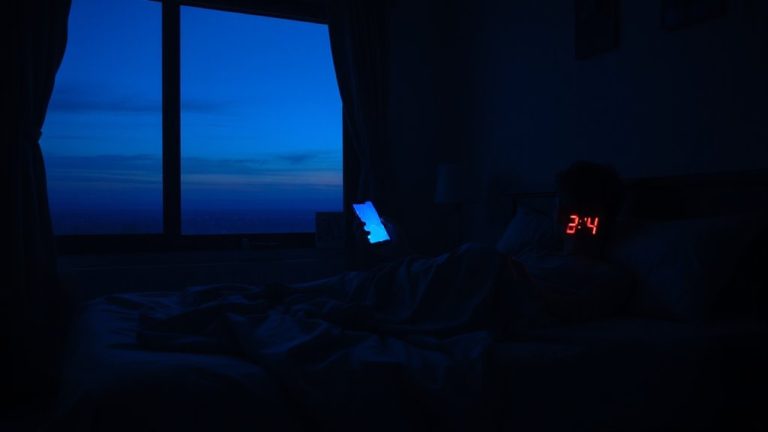
Why do night owls often overlook their sleep apnea symptoms longer than others? You stay up late, and your body’s rhythm masks fatigue, making signs easier to ignore. Your sleep disruptions blend in with normal late-night restlessness, so issues like nocturnal choking might feel like stress or poor sleep hygiene. Since your peak alertness starts late, you may blame grogginess on a “regular” night shift pattern. But restless REM isn’t normal. Frequent gasping or pauses in breathing during deep sleep can severely impact oxygen flow. These episodes strain your heart and brain over time. Nighttime monitors or home sleep tests can help track patterns like breathing interruptions or oxygen dips. Look for models with easy setup, clear data feedback, and FDA clearance. Many come with 30-day trial periods or extended warranties, letting you test confidently. Recognizing symptoms in context matters-your chronotype shouldn’t delay care. For some, using a properly fitted best mouth guard for sleep apnea can significantly reduce symptom severity and improve sleep quality.
Why Early Risers Miss Key Sleep Apnea Warning Signs?
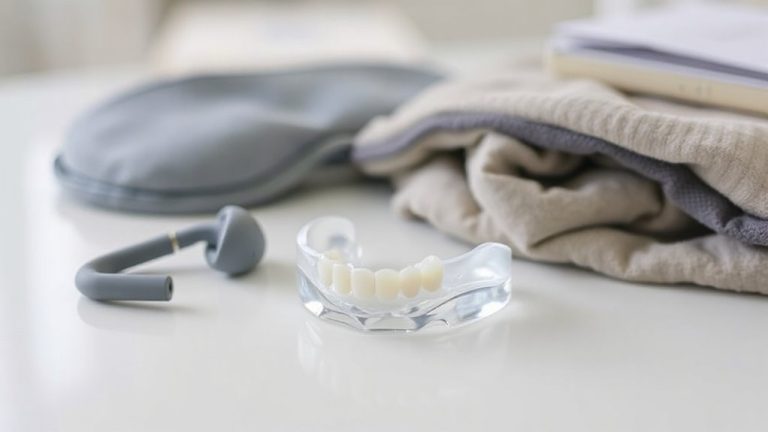
Early risers often brush off sleep apnea symptoms because their routines make disruptions seem minor or situational. You might wake with morning fatigue but chalk it up to poor sleep hygiene or stress, not considering a deeper issue. Silent snoring-brief, infrequent, or internal-can go unnoticed, especially if you sleep alone or your partner doesn’t recognize the pattern. Since you’re up and active early, you assume your energy drops later are normal. But persistent morning fatigue, even after eight hours, suggests your sleep quality isn’t matching your schedule. Unlike loud, rhythmic snoring, silent snoring is harder to detect without monitoring. Consider a home sleep test that tracks breathing patterns, oxygen levels, and micro-arousals. Many devices offer simple setup, clear data, and medical guidance. Look for FDA-cleared models with trial periods and telehealth support. Early detection helps you choose the right interventions without disrupting your routine. A well-fitted sleep apnea mouthpiece can significantly improve breathing and reduce symptoms, especially for mild to moderate cases.
How Your Body Clock Affects Sleep Apnea Severity
Though your body clock may seem like just a preference for morning or night, it actually plays a key role in how severe your sleep apnea becomes. When your sleep schedule clashes with your natural rhythm, circadian misalignment occurs, worsening breathing disruptions. Your body relies on consistent melatonin timing to regulate sleep onset and airway muscle tone. If you stay up late or wake early against your biology, melatonin release shifts, weakening upper airway control during sleep. This can increase apnea episodes and lower oxygen levels. Night owls forced into early routines face higher risks due to delayed melatonin timing. Even slight mismatches between your internal clock and sleep schedule may amplify symptoms over time. Aligning sleep with your chronotype helps reduce circadian misalignment, potentially improving breathing stability. Recognizing this link allows better choices in managing sleep apnea.
Time Your CPAP for Sleep Apnea Around Your Natural Rhythm
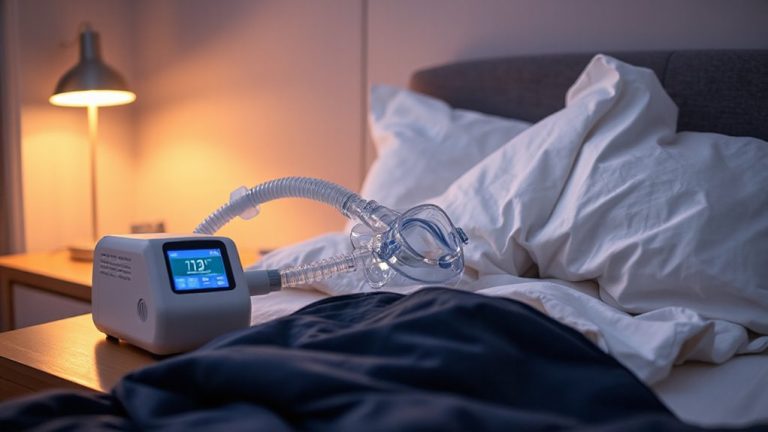
What if your CPAP worked better when used in sync with your body’s natural rhythm? Aligning your CPAP timing with your chronotype can improve comfort and treatment effectiveness. If you’re a night owl, starting therapy later at night may feel more natural, while early birds might benefit from using it sooner in the evening. This rhythm alignment helps your body adjust, reducing resistance to wearing the mask. Modern CPAP machines adapt automatically, adjusting pressure based on your breathing patterns throughout the night. Most units include data tracking, so you can review usage and mask fit over time. Many come with a 30-night trial and a warranty of at least two years. Proper CPAP timing isn’t one-size-fits-all-matching therapy to your internal clock supports better long-term adherence and sleep quality. For travelers, choosing a compact and portable device can maintain this alignment on the go with best CPAP travel machines.
How Sleep Doctors Can Adjust Tests for Night Owls and Early Birds
Why do some people struggle more with sleep tests than others? Your chronotype plays a key role. If you’re a night owl, an early bedtime skews circadian alignment, making it harder to fall asleep and lowering sleep efficiency during testing. Early birds might face the same if asked to sleep late. Sleep doctors can adjust testing times to match your natural rhythm, improving accuracy. At-home tests offer flexibility, letting you sleep in your usual environment. In-lab studies can be scheduled later or earlier based on your pattern. Adjusting for circadian alignment helps capture real apnea symptoms. Better sleep efficiency during the test means clearer results. Doctors may repeat tests with adjusted timing if initial data seems off. Tailoring the process boosts reliability. Discuss your routine honestly so your provider can customize the approach. It’s about working with your biology, not against it.
On a final note
You might not realize how your natural sleep rhythm affects sleep apnea symptoms or treatment. Night owls may overlook fatigue, blaming it on late nights, while early risers might miss breathing issues because their energy dips early. Your body clock can shape how severe symptoms feel and when they occur. Timing CPAP use with your rhythm improves comfort and effectiveness. Sleep studies adjusted for your chronotype offer clearer results. Try devices with flexible settings and warranties allowing return if they don’t fit your pattern.