Using Reishi Mushroom to Improve Sleep in Cancer Patients
You might find Reishi helpful for sleep during cancer treatment, as it supports relaxation and cortisol balance without sedation. It works over time to calm the nervous system and improve sleep quality, backed by research on GABA and immune modulation. Choose dual-extracted capsules with at least 20% triterpenes, taken 60–90 minutes before bed. Always check with your oncologist first due to possible interactions. Consistent use and good sleep habits increase effectiveness-there’s more to take into account for your unique needs.
Notable Insights
- Reishi mushroom may improve sleep in cancer patients by supporting relaxation and reducing nervous system overactivity.
- It helps regulate cortisol and neurotransmitters like GABA, promoting balanced sleep cycles without sedative effects.
- Consistent use of high-quality Reishi, especially dual-extracted from fruiting bodies, enhances sleep quality over time.
- Cancer patients should choose standardized supplements with ≥20% triterpenes and ≥30% polysaccharides for efficacy.
- Consult an oncologist before using Reishi due to potential immune modulation and interactions with cancer treatments.
Sleep Problems in Cancer: Can Reishi Help?
Why do so many cancer patients struggle to sleep through the night? You’re not alone-poor sleep quality is common during treatment. Physical discomfort, anxiety, and medication side effects disrupt rest. Worse, poor sleep may weaken immune modulation, making it harder for your body to respond to illness. You might find yourself waking often or unable to fall asleep, leaving you tired and less able to cope. Improving sleep isn’t just about feeling better-it can support your body’s defenses. Though many turn to sleep aids, they don’t always address the root causes and can cause unwanted side effects. Natural strategies are gaining attention, especially those that support both sleep quality and immune modulation. You’ll want to weigh options with research behind them, weighing benefits, safety, and how well they fit into your routine. Always consult your care team before trying new supplements.
How Reishi Improves Sleep Naturally
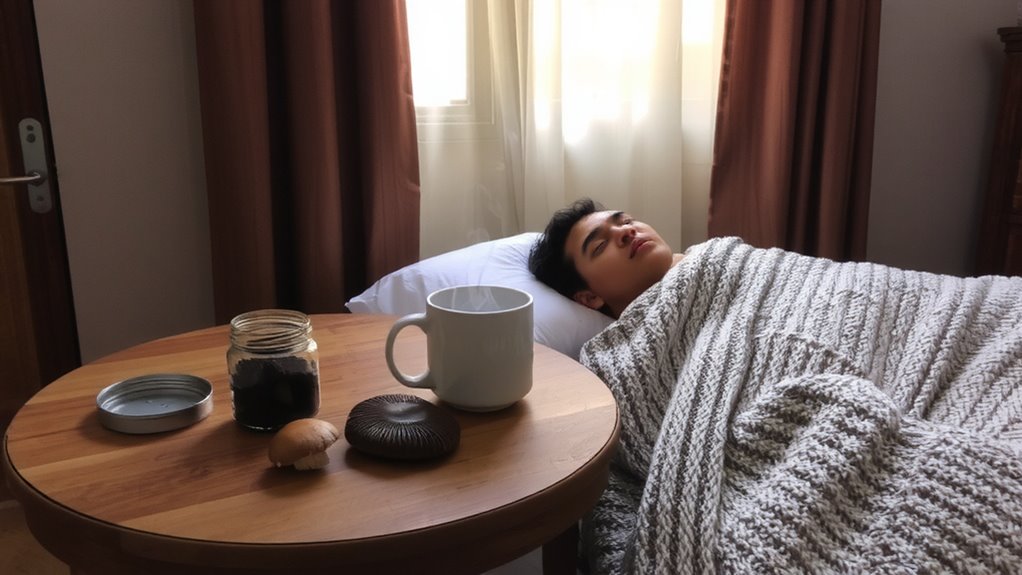
While you may not expect a mushroom to help you sleep better, reishi has been studied for its calming effects on the nervous system. It works naturally by supporting cortisol balance, helping your body manage stress more effectively at night. When cortisol levels are steadier, sleep often improves without harsh sleep aids. Reishi also offers immune support, which is especially helpful during cancer treatment when your body needs extra resilience. You won’t feel knocked out-instead, you may notice a gentle shift toward relaxation and more consistent sleep patterns. It’s not a sedative, so it won’t force sleep but helps create the internal conditions for rest. Since it’s adaptogenic, effects may build over time with regular use. As with any supplement, check with your care team, especially if you’re on other treatments.
What Science Says About Reishi and Sleep
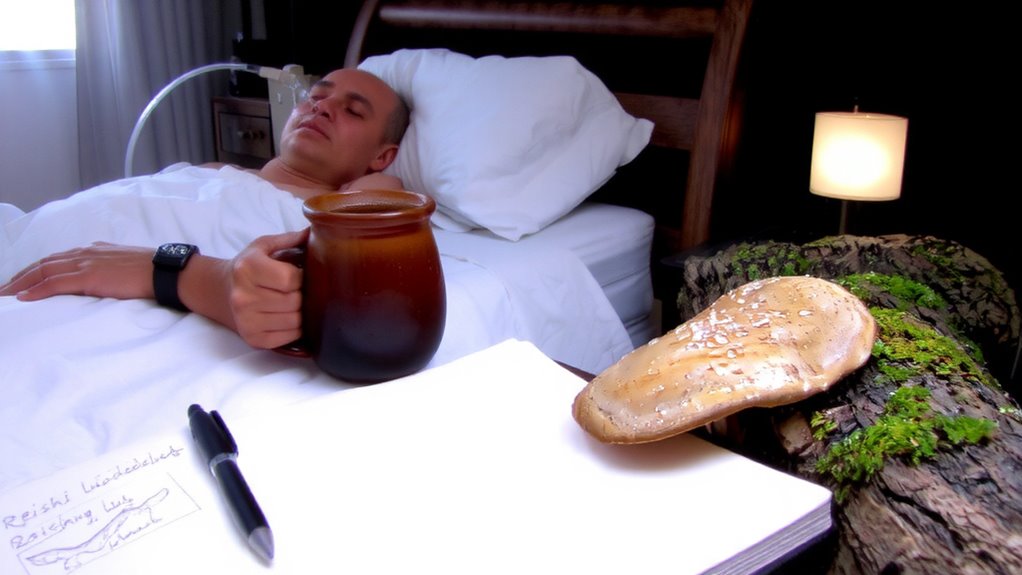
Reishi’s calming effects on the nervous system set the stage for better sleep, and now research is starting to back up what tradition has long suggested. Studies show Reishi supports neurotransmitter balance, helping regulate sleep cycles without sedation. It influences GABA and serotonin activity, which can ease the shift into restful sleep. For cancer patients, this matters-rest is part of recovery. Reishi also promotes immune modulation, a key factor when the body is under stress. You’re not just addressing sleep disruption; you’re supporting overall resilience. Clinical trials remain limited but promising, with participants reporting improved sleep quality and longer duration. Effects build over time, so consistent use is important. While not a quick fix, Reishi offers a gentle alternative to stronger sleep aids. Always talk with your care team, especially when combining it with other treatments.
Best Reishi Supplements for Nighttime Use
When choosing a Reishi supplement for better sleep, it’s important to look at both form and quality, since not all products work the same. You’ll find Reishi in capsules, tinctures, and powders-capsules offer precise potency levels, while tinctures may act faster due to quicker absorption. Look for extracts labeled dual-tested, meaning both the fruiting body and hot water extraction are used, ensuring higher triterpene and beta-glucan content. Check product labels for standardized potency levels, ideally at least 20% triterpenes and 30% polysaccharides per gram. For best results, take your dose 60–90 minutes before bedtime to support ideal dosage timing. Some brands provide trial sizes or money-back guarantees, which let you test tolerance and effectiveness. Always consult your healthcare provider before starting any new supplement, especially during cancer treatment.
Support Reishi With Cancer-Safe Sleep Habits
Since quality sleep can be harder to achieve during cancer treatment, pairing Reishi supplementation with safe, supportive sleep habits may improve rest without interfering with therapy. Focusing on sleep hygiene and relaxation techniques can make a meaningful difference. Keep your bedroom quiet, dark, and cool, and aim for consistent sleep and wake times-even on weekends. Avoid screens and stimulating activities before bed. The table below highlights practical habits to try:
| Habit | Benefit |
|---|---|
| Use dim lights 1 hour before bed | Signals your body it’s time to wind down |
| Limit caffeine after noon | Reduces sleep disruption |
| Practice gentle breathing or meditation | Enhances relaxation techniques |
| Avoid heavy meals at night | Supports better sleep hygiene |
| Try a bedtime routine (e.g., reading) | Builds consistent sleep patterns |
Is Reishi Safe During Cancer Treatment?
You’ve likely heard about Reishi mushroom helping with sleep, especially if you’re managing cancer and looking for ways to rest better. While Reishi shows potential, you should be cautious during active treatment. It can cause drug interactions, especially with chemotherapy or immunosuppressants, altering how your body processes these medications. Reishi also affects immune modulation, meaning it may stimulate or suppress immune activity-this could interfere with treatments designed to target immune responses. Always talk to your oncologist before using Reishi, especially if you’re on medication or have an active infection. Supplements aren’t regulated like drugs, so quality varies. Look for third-party tested products with clear labeling. Though some find Reishi improves sleep, it’s not a guaranteed fix. Weigh the benefits against risks, and rely on medical guidance to make safe choices.
On a final note
You can try reishi to support sleep, especially if cancer or treatment affects your rest. Studies suggest it may ease insomnia and calm the nervous system, though results vary. Look for third-party tested, organic supplements with beta-glucans listed on the label. Start low, monitor effects, and consult your care team-especially during active treatment. Pair it with consistent sleep routines for best results. Some brands offer money-back trials, so you can test safely.