Chronotypes Explained: How Your Body Clock Influences Your Sleep Quality
Your chronotype, shaped by genetics like PER and CLOCK genes, determines your natural sleep-wake rhythm. If you’re a wolf, you’ll struggle with early bedtimes, while lions thrive in the morning. Misalignment causes grogginess, poor focus, and unrestful sleep-similar to social jetlag. Morning light advances your rhythm; evening screens delay it. Matching your schedule to your type improves sleep quality and energy. Consistency stabilizes your clock, and small shifts can help, especially when supported by light and timing adjustments.
Notable Insights
- Your chronotype determines your natural sleep-wake pattern and affects sleep quality when misaligned with daily schedules.
- Lions, Bears, Wolves, and Dolphins each have distinct energy patterns influencing alertness and rest times.
- Consistent bed and wake times help synchronize your internal clock for better sleep hygiene.
- Evening screen use delays melatonin release, while morning light advances it, impacting circadian alignment.
- Genetic factors like PER and CLOCK genes influence chronotype, but light and routine can modify rhythms.
How Your Chronotype Affects Your Sleep
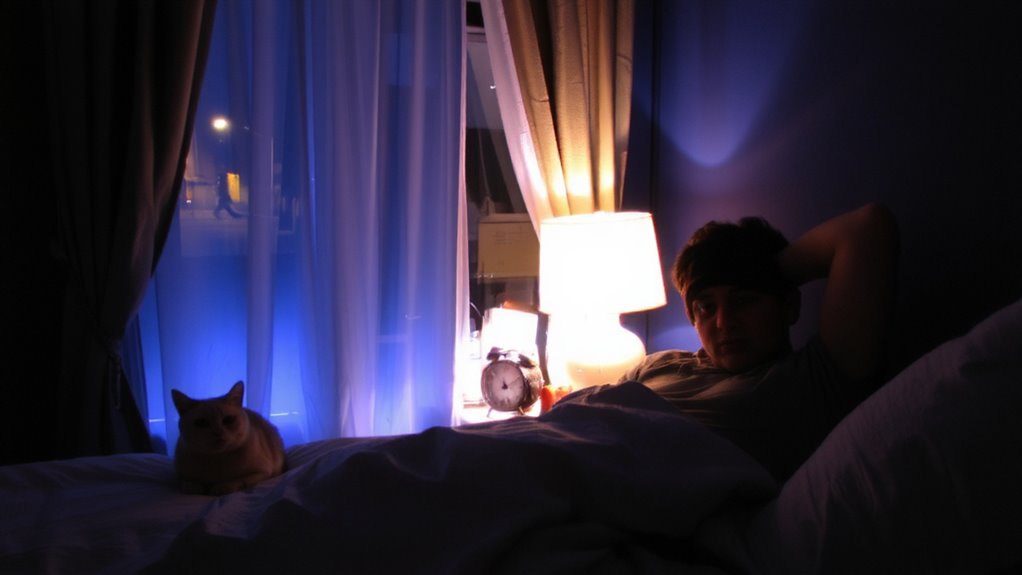
Your natural rhythm, shaped by genetics and daily habits, plays a key role in how well you sleep. If your chronotype leans toward evening, forcing an early bedtime can harm sleep hygiene and leave you unrested. Morning types, on the other hand, may struggle with late schedules. Aligning your bedtime habits with your internal clock improves sleep quality over time. Consistent bed and wake times, even on weekends, support this balance. Limiting screen use and caffeine helps, no matter your type. Poor alignment often mimics sleep disorders, but simple adjustments may reduce the need for sleep aids. Consider tracking your energy and sleep for a week to spot patterns. Tools like sleep journals or apps offer trial periods and reliable data. Warranty details vary, but most provide at least a 30-day return window. Matching routine to rhythm is a practical first step. For iPhone users, exploring the best iPhone sleep apps can enhance sleep tracking and support better alignment with your chronotype.
The 4 Main Chronotypes: And Your Daily Energy Curve
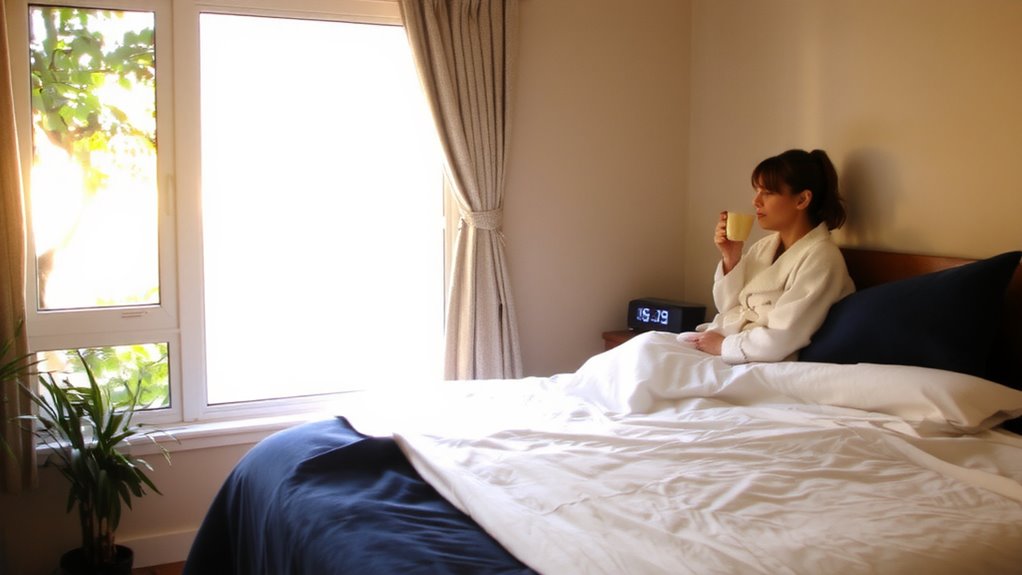
While researchers have identified four primary chronotypes-Lion, Bear, Wolf, and Dolphin-each follows a distinct energy pattern throughout the day that influences when you feel alert or tired. Lions rise early, hitting their energy peaks by midmorning and winding down by early evening, aligning closely with natural light and typical sleep cycles. Bears follow the most common rhythm, with energy rising mid-morning and dipping slightly after lunch, then fading by late evening. Wolves feel sluggish in the morning but thrive at night, with energy peaks in the late afternoon and beyond. Dolphins often have irregular sleep cycles, experiencing light, fragmented sleep and scattered energy peaks. Understanding your chronotype helps time sleep, manage fatigue, and decide whether sleep aids or schedule shifts could support better rest. Matching habits to your natural rhythm improves sleep quality without forcing change that works against your biology.
Signs You’re Out of Sync With Your Chronotype
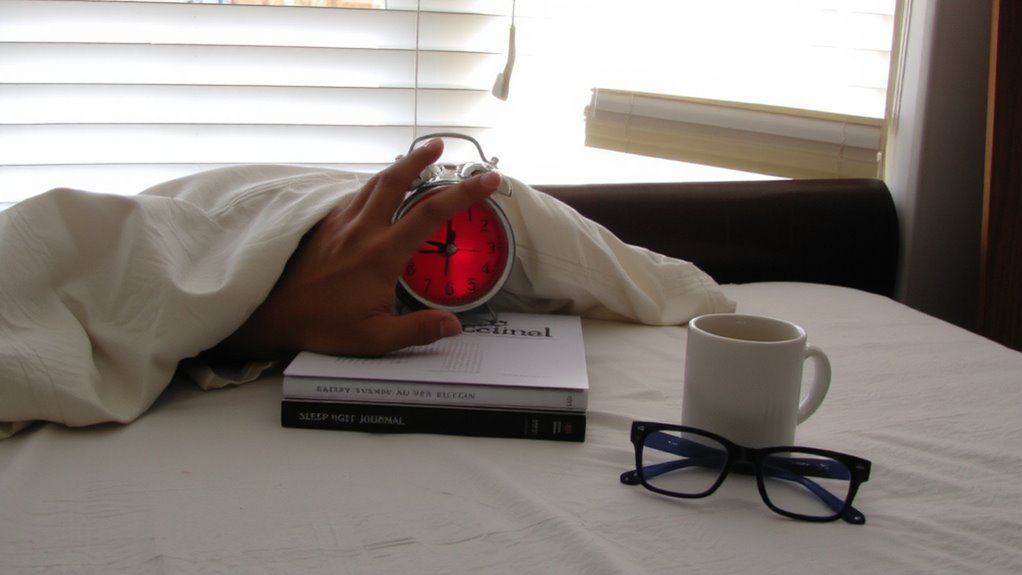
What if your exhaustion isn’t just from poor sleep, but from fighting your body’s natural rhythm? If you’re groggy in the mornings or crash mid-afternoon, you might be out of sync with your chronotype. Misalignment often shows through trouble falling asleep or waking up, even after eight hours. Your energy dips don’t match your schedule, and focus fades when you need it most. Light exposure plays a big role-too little daylight or too much screen light at night confuses your internal clock. Social habits, like late dinners or weekend sleep-ins, can further shift your rhythm. You might rely on caffeine or naps to keep going, but these only mask the issue. Recognizing these signs helps you assess sleep aids or adjustments more wisely. Small changes in timing and light may support better alignment-and more consistent energy-without rushing to supplements or medication.
When Your Schedule Fights Your Natural Rhythm
Why does your energy lag despite sticking to a strict bedtime? Your body may be fighting against its natural rhythm. When you follow forced schedules-like early work hours or late social events-you disrupt your internal clock. This mismatch causes social jetlag, where your biological time clashes with your daily routine. You might feel tired in the morning, struggle to focus, or wake up unrested, even after eight hours. Social jetlag doesn’t just dull your mood; it can weaken sleep quality over time. Your body produces sleep-related hormones like melatonin based on light and rhythm, not just willpower. If your schedule ignores your chronotype, you’re working against biology, not with it. Small shifts in timing, light exposure, or consistency may help. Consider tracking sleep patterns or consulting a professional to explore solutions, including behavioral changes or appropriate sleep aids with clear trial periods.
Match Work, Meals, and Sleep to Your Chronotype
How would it feel to align your day with your body’s natural energy peaks instead of fighting against them? You’d likely sleep better, feel more focused, and reduce reliance on sleep aids. Matching work alignment to your chronotype means scheduling demanding tasks during your peak alertness-morning types in the a.m., night owls later on. This improves performance and reduces stress. Meal timing also matters: eat larger meals when your metabolism is strongest, usually earlier for early birds, later for night types. Skipping meals or eating too late can disrupt sleep and worsen sleep disorders. Adjusting your schedule doesn’t require drastic changes-small, consistent shifts in work alignment and meal timing can improve sleep quality. Trial these adjustments for a few weeks, and track improvements in energy and rest.
Why Your Body Clock Is in Your Genes
Your body clock isn’t just shaped by habit-it’s built into your DNA, with specific genes helping to control when you feel alert or sleepy. Variations in your circadian genes influence whether you’re naturally an early riser or night owl. These genetic differences affect your sleep-wake cycle, hormone release, and body temperature rhythms. Your chronotype is largely due to genetic inheritance, meaning you likely share sleep preferences with close family members. Scientists have identified key circadian genes, like PER and CLOCK, that help regulate internal timing. While environment plays a role, your genes set the foundation. Understanding this can help you make informed choices about sleep schedules, recognize potential sleep disorders, and decide if personalized sleep aids might support your natural rhythm. It’s not about fixing a flaw-it’s about working with your biology for better sleep quality over time.
Can You Change Your Chronotype? What the Science Says
While your genes lay down the foundation for whether you’re wired to wake early or stay up late, research shows that certain lifestyle adjustments can shift your chronotype over time. Though your genetic predisposition sets your starting point, environmental influence plays a powerful role in fine-tuning your rhythm. Exposure to morning light, consistent sleep schedules, and reduced evening screen time can gradually nudge a night owl toward a more morning-oriented pattern. Below are key factors that impact your chronotype:
| Factor | Impact | Potential Change |
|---|---|---|
| Morning light exposure | High | Advances sleep phase |
| Evening screen use | High | Delays sleep phase |
| Sleep schedule consistency | Moderate | Stabilizes rhythm |
These adjustments don’t override your genetic predisposition but work with environmental influence to improve alignment with daily demands. Small, consistent changes support better sleep quality over time.
On a final note
Your chronotype shapes your sleep patterns, energy peaks, and ideal daily routines. Aligning meals, work, and bedtime with your natural rhythm improves sleep quality and overall well-being. While genetics largely determine your body clock, small adjustments can help if your schedule conflicts with your chronotype. Consider evidence-based strategies-like light exposure or consistent sleep times-before turning to sleep aids, and always evaluate options with your unique biology in mind.