How Innerspring Mattress Covers Can Be Antimicrobial
Your innerspring mattress cover can be antimicrobial thanks to treated fabrics that block dust mites, mold, and bacteria. These coatings bond to tightly woven fibers, offering long-lasting protection without harsh chemicals. Some use natural materials like bamboo, while others rely on synthetic treatments for stronger defense. Look for removable, washable covers that stay effective after cleaning. Many come with trial periods or warranties, so you can test comfort and performance over time.
Notable Insights
- Antimicrobial innerspring mattress covers use chemical coatings that bind to fibers to inhibit bacteria, mold, and dust mites.
- Tightly woven fabric layers act as physical barriers, blocking allergens like bed mites and mold spores.
- Some covers integrate natural fibers like bamboo or wool, which inherently resist microbes without chemical treatments.
- Permanent antimicrobial treatments embedded in synthetic fibers offer long-lasting protection, often lasting over five years.
- Removable, machine-washable covers maintain effectiveness when laundered with mild detergent and no bleach.
What Makes a Mattress Antimicrobial?
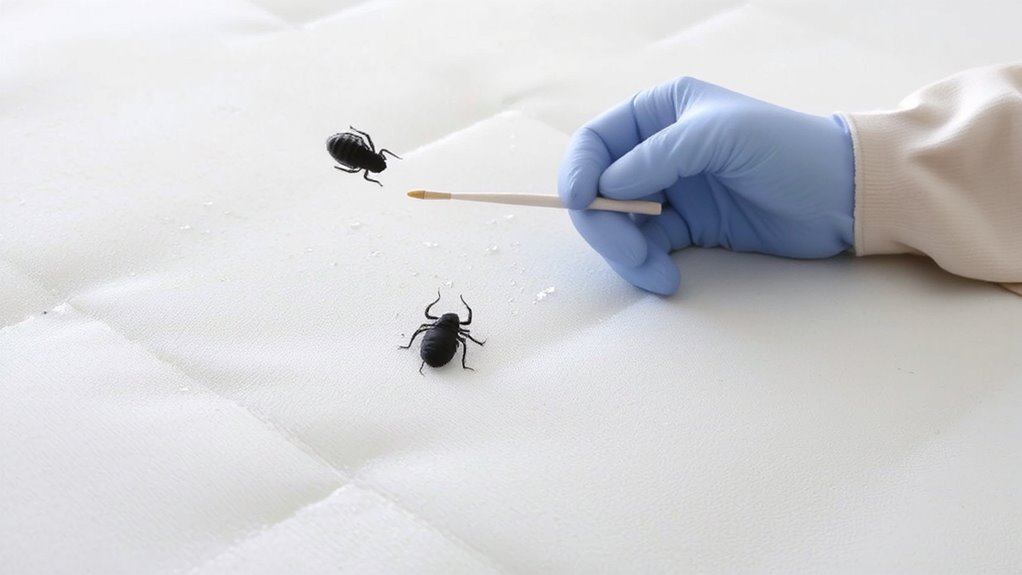
Why do some mattress covers resist microbes while others don’t? It comes down to two key factors: chemical coatings and fabric density. When a cover has antimicrobial properties, it often includes chemical coatings that inhibit the growth of bacteria, mold, and dust mites. These treatments bind to the fabric fibers, offering long-lasting protection. But not all coatings are equal-some may wear off over time, especially after repeated cleaning. Fabric density also plays a role. Tighter weaves create a physical barrier, making it harder for microbes to settle and spread. A dense, tightly knit fabric with durable chemical coatings tends to perform better over years of use. If you’re sensitive to allergens or want added protection, look for certifications detailing coating types and fabric specs. Many brands offer trial periods, so you can test effectiveness. Check warranty terms too-some companies cover degradation of antimicrobial properties.
How Antimicrobial Mattress Covers Improve Sleep Health
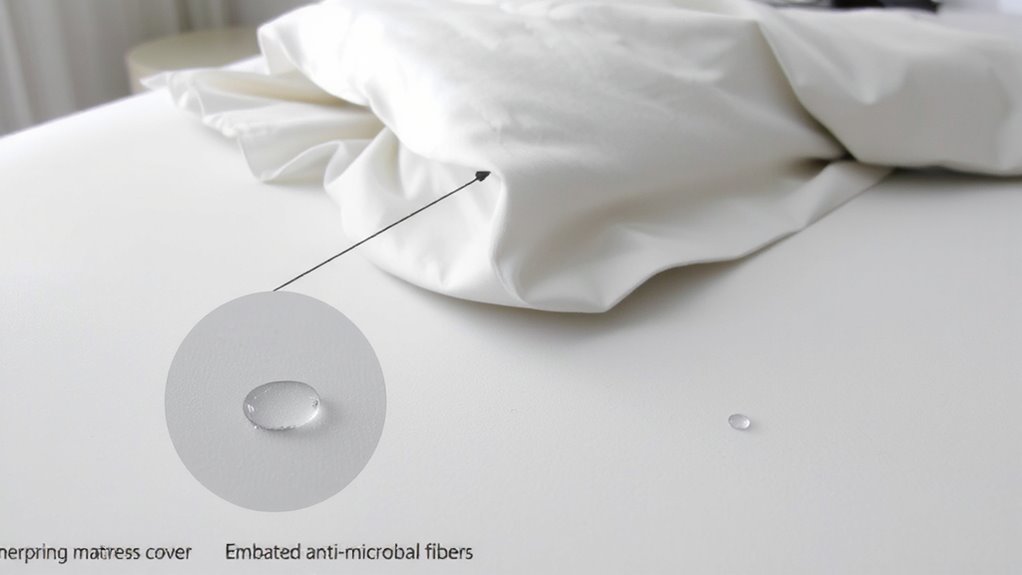
While you sleep, your mattress can become a breeding ground for allergens and microbes, but an antimicrobial cover helps reduce those risks by blocking dust mites, mold, and bacteria. This protection supports better sleep quality by creating a cleaner sleep environment. If you suffer from allergies, the cover offers allergy relief by minimizing exposure to common triggers. Most covers use tightly woven, breathable fabrics that resist microbial growth without harsh chemicals. They’re designed to fit securely over innerspring mattresses, maintaining comfort while adding a protective layer. Many brands offer trial periods and warranties, so you can test the cover’s impact on your sleep. Since poor sleep health can worsen disorders like insomnia, choosing a cover with proven performance may help you rest more soundly. Simple upkeep-like occasional washing-keeps the benefits lasting longer. For those seeking the best protection, top-rated options include best hypoallergenic mattress covers that combine comfort with advanced allergen resistance.
What Germs and Allergens Do They Fight?
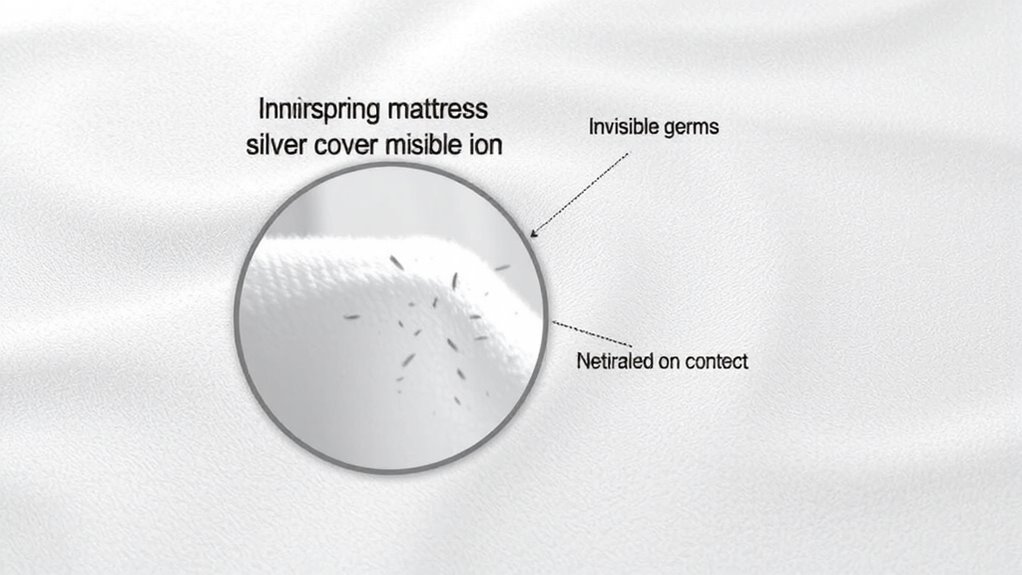
How exactly do antimicrobial mattress covers protect your sleep space? They create a barrier that fights common allergens and microbes lurking in your bed. You’re likely exposed to bed mites daily-microscopic pests that feed on dead skin and trigger allergies. Antimicrobial covers resist their growth, helping reduce symptoms like sneezing or itching. These covers also block mold spores, which thrive in damp environments and can worsen asthma or respiratory issues. By inhibiting mold development, the cover keeps your mattress drier and cleaner over time. The fabric’s treated to repel bacteria and fungi without peeling or washing away easily. Most come with warranties of 5+ years, so you can trust their long-term protection. They’re breathable, too, so comfort doesn’t suffer. If you deal with allergies or want a healthier sleep surface, this kind of cover offers measurable benefits worth considering during your next bedding upgrade. For superior defense against moisture-related mold, consider protectors designed with best mattress protectors for mold.
Natural vs. Synthetic Antimicrobial Agents: Pros and Cons
What if your mattress cover could protect you using only natural ingredients? Natural fibers like cotton, wool, and bamboo offer inherent antimicrobial properties, making them a breathable, skin-friendly option. They resist mold and bacteria without relying on chemical treatments, which appeals to those avoiding synthetic exposure. However, their protection can be milder and less long-lasting. Synthetic agents, often applied through chemical treatments, deliver stronger, more durable resistance to microbes but may require careful laundering to maintain effectiveness. While some people prefer the simplicity of natural fibers, others find synthetic solutions offer more consistent performance. Both types support healthier sleep environments, which can improve sleep quality-especially for those with allergies or sensitivities. Many brands provide trial periods, so you can test comfort and effectiveness. Look into warranty details to guarantee long-term value when choosing between natural and synthetic options.
How Antimicrobial Treatments Work in Mattress Covers
You’ve likely considered whether natural or synthetic agents are right for your sleep environment, and now it’s time to see how those choices actually function in your mattress cover. Antimicrobial treatments work by inhibiting the growth of bacteria, mold, and mildew on the fabric. These agents are applied through fiber integration, meaning they’re built directly into the textile fibers during manufacturing, not just sprayed on. This guarantees even protection and helps maintain treatment durability over time, even after repeated use or light cleaning. Because the antimicrobial properties are embedded, they won’t wash off easily, supporting long-term hygiene. This consistent performance can be especially helpful if you’re sensitive to allergens or prone to sleep disruptions caused by discomfort. The construction supports a cleaner sleep surface, which may indirectly improve sleep quality. When evaluating options, consider how deeply the treatment is integrated and how that affects long-term effectiveness.
How to Choose the Best Antimicrobial Mattress Cover
Where should you start when sorting through the many antimicrobial mattress covers on the market? Consider material durability first-look for tightly woven fabrics like polyester blends or bamboo-derived rayon, which resist wear and maintain their antimicrobial properties over time. These materials also contribute to better cover breathability, helping regulate temperature so you stay comfortable all night. Make sure the cover allows air to circulate, especially if you tend to sleep hot or have sensitivity to moisture. Check whether the antimicrobial treatment is integrated into the fibers or applied as a coating-built-in treatments last longer. Also, review warranty terms and trial periods; some brands offer extended protection guarantees. Finally, confirm if the cover is removable and compatible with gentle machine washing, since upkeep affects long-term performance. Choosing wisely supports not just hygiene, but consistent, restful sleep.
How to Care for Your Antimicrobial Mattress Cover
While the right antimicrobial mattress cover can support cleaner sleep and help manage sensitivities, maintaining its performance depends on proper care. You should vacuum regularly to remove dust, dead skin, and allergens that can break down the fabric’s protective qualities over time. Most covers are machine washable, but always check the manufacturer’s instructions to preserve the antimicrobial finish. When washing, use mild detergent and avoid bleach, as harsh chemicals can degrade the fibers and reduce effectiveness. Tumble dry on low or air dry, depending on the label’s guidance. Frequent cleaning helps keep your sleep environment fresh, especially if you have asthma or allergies. Some brands offer trial periods or extended warranties, so you can test durability and comfort risk-free. Following care guidelines guarantees long-term protection and supports better sleep quality without compromising the cover’s built-in benefits.
On a final note
You’ll sleep better knowing your innerspring mattress cover resists bacteria, mold, and dust mites. These covers use antimicrobial treatments-natural or synthetic-woven into the fabric or applied during manufacturing, maintaining effectiveness over time. They’re breathable, durable, and often treated without harsh chemicals. Check for certifications, trial periods, and washability when choosing one. Proper care preserves performance. Investing in a quality cover supports long-term sleep hygiene without replacing your mattress.