Using Ashwagandha to Improve Sleep in People With Adrenal Fatigue
You might feel wired at night but crash midday, a sign your stressed adrenals are disrupting cortisol rhythms. Ashwagandha helps regulate this stress hormone, gently supporting balance so you wind down easier at night. It’s not a sedative, but with consistent use of 300–600 mg daily, taken 30 minutes before bed, you may notice better sleep over 4–6 weeks. Choose a root extract like KSM-66 with clear labeling and third-party testing. More details follow on how it works and what to expect.
Notable Insights
- Ashwagandha helps regulate cortisol imbalances common in adrenal fatigue, supporting better sleep-wake cycles.
- It promotes nervous system balance, reducing chronic “fight or flight” activation that disrupts sleep.
- Standardized root extracts like KSM-66 or Sensoril offer reliable potency and research-backed benefits.
- Take 300–600 mg of ashwagandha 30–60 minutes before bed for optimal sleep support.
- Noticeable sleep improvements typically occur after 4–6 weeks of consistent, daily use.
What Is Adrenal Fatigue and How It Affects Sleep
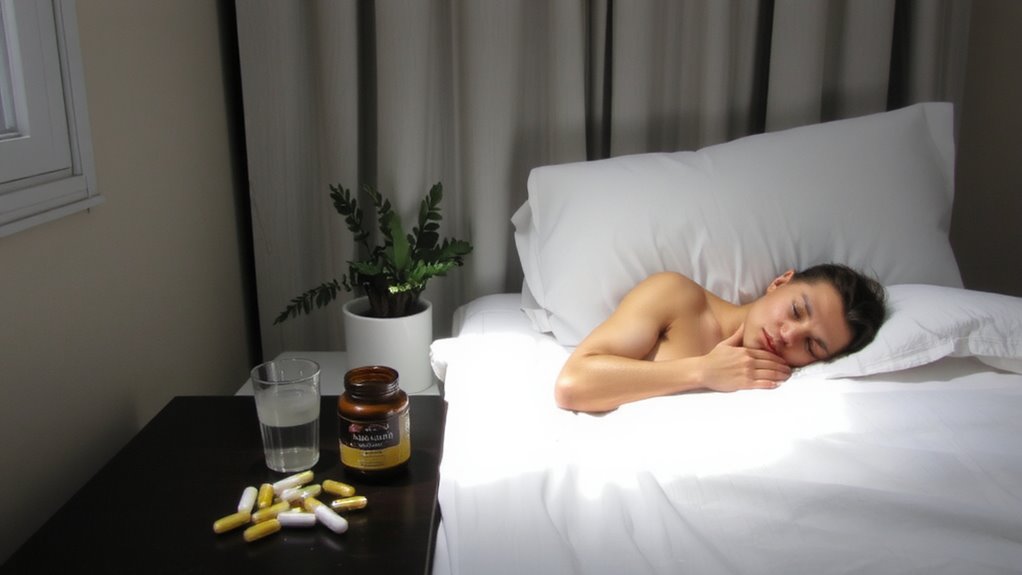
What makes it so hard to sleep when you’re constantly tired? It could be adrenal fatigue, a condition where your body struggles to manage stress. When your adrenals are overworked, they can’t regulate cortisol properly, leading to a cortisol imbalance. This imbalance often flips your natural rhythm-high at night, low during the day-causing sleep disruption. You might wake up frequently, struggle to fall asleep, or feel unrested despite long hours in bed. Over time, this cycle worsens fatigue, making recovery harder. Sleep aids might help temporarily, but they don’t fix the root cause. Addressing stress, routine, and hormone regulation becomes key. Recognizing symptoms like afternoon crashes or insomnia helps guide better choices. Practical steps include consistent sleep schedules, reducing stimulants, and supporting adrenal health. Understanding your body’s signals helps you make informed decisions about treatment, sleep support, and long-term recovery.
How Ashwagandha Helps Adrenal Fatigue and Sleep

You’re not alone if you’ve tried sleep aids or strict bedtimes only to still wake up exhausted-when adrenal fatigue disrupts cortisol rhythms, rest doesn’t come easy. Ashwagandha supports your body by improving cortisol regulation, helping flatten extreme highs and lows that interfere with sleep. When your cortisol levels stay more stable, you’re more likely to feel calm in the evening and wake refreshed. This adaptogenic herb also promotes nervous system balance, reducing the constant “fight or flight” state that keeps you alert at night. Instead of sedating you, ashwagandha works with your biology to ease stress responses over time. Unlike sleep medications, it doesn’t cause grogginess or dependency, making it a practical option for long-term support. For best results, consistent use matters-most notice improvements after several weeks. Think of it as training your system to handle stress better, so sleep becomes possible without forcing it. Choosing a high-quality supplement ensures optimal benefits, and many experts recommend trying one of the best organic ashwagandha supplements available to maximize potency and purity. best organic ashwagandha supplements
What Science Says About Ashwagandha and Sleep

Research offers solid backing for ashwagandha’s role in improving sleep, especially when stress or adrenal imbalance is a factor. You’ll find that clinical trials highlight modest but meaningful gains in sleep quality and latency. Unlike strong pharmaceuticals, ashwagandha works gently, so placebo effects are considered but don’t fully explain the results. These studies often use standardized root extracts over 6–10 weeks, showing consistency in outcomes.
| Benefit | Evidence Level |
|---|---|
| Faster sleep onset | Moderate (from clinical trials) |
| Reduced nighttime wakefulness | Low to moderate |
You can expect gradual improvements, not overnight fixes. Since responses vary, it’s wise to track your sleep patterns for several weeks. The data supports ashwagandha as a plausible aid, not a cure-all, especially when stress disrupts rest.
Best Ashwagandha Supplements for Sleep
Now that you’ve seen how ashwagandha may support better sleep by addressing stress-related imbalances, the next step is choosing a supplement that fits your needs. Look for high supplement quality-specifically, root extracts standardized to withanolides (typically 5% or higher), as these compounds are linked to effectiveness. Brands that use KSM-66 or Sensoril are well-researched and consistently tested for purity. Third-party testing and transparent labeling help guarantee what’s on the bottle matches what’s inside. While dosage timing isn’t discussed here, knowing the concentration helps you manage intake later. Capsules offer convenience, while powders allow dose flexibility. Some include sleep-supportive additives like magnesium or GABA, but these may complicate reactions. Stick to simple formulations if you’re sensitive. Try one product for at least four weeks, and check return policies in case it doesn’t suit you.
When and How to Take Ashwagandha for Sleep
Though timing can influence how well ashwagandha supports your sleep, the best results often come from consistent, thoughtful use tailored to your routine. Aim for evening intake, about 30 to 60 minutes before bed, to align with your body’s natural wind-down phase. This timing dosage strategy helps promote relaxation and may improve sleep onset and quality. Most studies use doses between 300–600 mg daily, typically in standardized root extract form. Start at the lower end to assess tolerance, then adjust as needed. Since ashwagandha can affect cortisol levels, regular use may support adrenal balance over time. Choose supplements with clear labeling, third-party testing, and transparent sourcing to guarantee quality. While effects aren’t immediate, noticeable improvements in sleep often emerge after 4–6 weeks. Monitor your response closely, and consult your provider if you’re on medications or have ongoing sleep concerns.
On a final note
You might find ashwagandha helpful if stress or adrenal fatigue affects your sleep, since it can lower cortisol and support relaxation. Not all supplements work the same, so choose a standardized extract with clear labeling for potency. Look for brands offering third-party testing and a money-back guarantee to reduce risk when trying. Take it consistently at night, as effects build over weeks. While research shows promise, results vary-track your sleep to decide what’s working.