Reinforcing Scapular Retraction Awareness Before Sleep to Prevent Rounded Shoulders and Rotator Cuff Impingement
You can reduce shoulder pain by doing a quick scapular retraction before bed-just lie on your back, gently squeeze your shoulder blades together, and hold for 5 seconds. This counters daily slouching, improves spinal alignment, and decreases rotator cuff compression overnight. Use a supportive pillow and firm mattress to maintain proper posture. Practicing nightly builds muscle memory and may ease nerve strain. You’ll notice how small nightly adjustments add up over time.
Notable Insights
- Perform scapular squeezes before bed to strengthen retraction and counteract daily slouching.
- Maintain neutral shoulder alignment while lying on your back to reduce rotator cuff compression.
- Use wall angels nightly to improve scapular control and posture without equipment.
- Avoid stomach sleeping to prevent excessive shoulder protraction and joint strain.
- Practice mindful scapular retraction with gentle holds to build muscle memory and decrease impingement risk.
Why Scapular Retraction Prevents Shoulder Pain at Night
While you’re getting ready for bed, taking a moment to pull your shoulder blades together-scapular retraction-can make a real difference in how your shoulders feel overnight. This small adjustment helps align your upper back and shoulders, reducing stress on surrounding tissues. When you maintain better posture, you’re less likely to experience nerve compression, which often flares up when lying down. It also minimizes joint inflammation by keeping the shoulder joint in a neutral position. Over time, this practice supports healthier movement patterns and may decrease nighttime discomfort. You don’t need special tools-just mindful positioning. If you use pillows or sleep aids, choose ones that support spinal alignment without forcing your arms forward. Trial this technique consistently for a week to assess changes in comfort. While results vary, many find improved sleep quality and fewer shoulder issues with regular awareness.
How Slouching Compresses Your Rotator Cuff
If you often slump forward during the day, you’re likely tightening the front of your shoulders while pulling your scapulae apart, and that can press down on the rotator cuff tendons each time you lift or rotate your arm. Over time, this posture reduces the space beneath the acromion, increasing the risk of nerve compression and joint inflammation. When the tendons get pinched, pain often follows-especially at night. This impingement worsens if you sleep on the affected side without support. Left unchecked, chronic slouching contributes to long-term wear, discomfort, and disrupted sleep. Recognizing how posture affects shoulder mechanics helps inform better sleep positions or choices in supportive aids. Simple adjustments, like aligning your spine before bed, may reduce strain. You don’t need special equipment, just awareness. Considering your daily habits can guide practical changes to improve comfort and prevent further irritation.
3 Simple Scapular Retraction Exercises to Do Before Bed
Before settling into bed, taking a few minutes to perform scapular retraction exercises can help counteract the day’s forward slouching and ease shoulder tension. Try scapular squeezes first: lie on your back or sit upright, then gently pull your shoulder blades together as if holding a pencil between them. Hold for five seconds, release, and repeat 10–15 times. These help activate the muscles that support proper shoulder alignment. Next, perform wall angels: stand with your back against a wall, feet slightly forward, arms bent at 90 degrees. Slowly slide your arms upward while keeping contact along your elbows and wrists. Do 2 sets of 8–10 reps. Both exercises require no equipment, take under 5 minutes, and work best when done consistently. Performing them nightly may improve posture over time, reducing strain on the rotator cuff without invasive aids or sleep modifications.
How to Feel Your Shoulder Blades (No Mirror Needed)?
How do you know if your shoulder blades are where they should be-especially when you can’t see them? You’ll need to develop shoulder blade isolation through touch and movement. Start by lying on your back, arms at your sides. Gently squeeze your shoulder blades together, as if holding a pencil between them. Feel the firm ridge along your upper back-that’s correct positioning. Let go, then repeat slowly to refine awareness. Over time, this builds muscle memory development, so your body learns the right position without thinking. Try pressing palms into a wall while retracting; the feedback helps you sense engagement. Practice daily before sleep, when muscles relax, making it easier to retrain posture habits. This subtle training supports better spinal alignment overnight, promoting natural joint function. No mirror needed-just consistent, mindful effort.
Mistakes That Break Your Scapular Form at Night
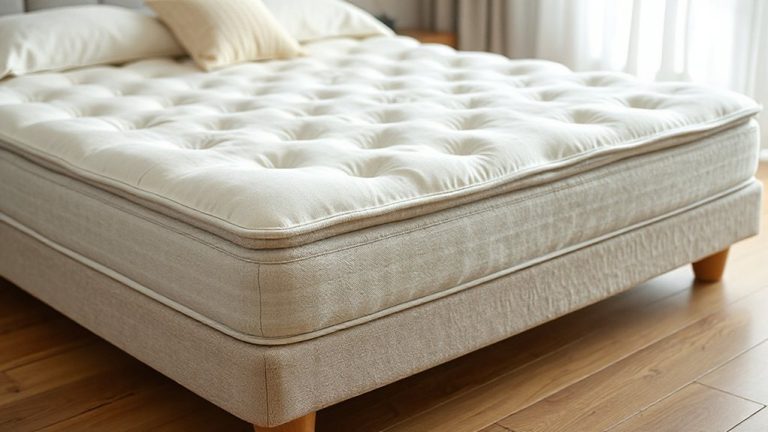
While you’re trying to maintain proper scapular retraction, certain habits during sleep can quietly undo your progress. Poor pillow positioning and incorrect mattress firmness are common culprits. Using a pillow that’s too high or too flat shifts your neck and pulls your shoulders forward. A mattress that’s too soft lets your body sink, promoting rounded shoulders. Below are key mistakes and their effects:
| Mistake | Impact on Scapular Form |
|---|---|
| Overly thick pillow | Neck flexion, forward head, lost retraction |
| Sagging mattress | Poor spinal alignment, shoulder protraction |
| Stomach sleeping | Forces arms overhead, strains rotator cuff |
| Wrong pillow positioning | Disrupts natural shoulder blade placement |
| Inadequate mattress firmness | Reduces postural support during rest |
Adjusting these can help preserve scapular alignment naturally. Side sleepers benefit significantly from supportive pillows, such as purple pillows for side sleepers, which help maintain neutral spine and shoulder alignment.
How a 2-Minute Nightly Reset Improves Posture Over Time
Just two minutes each night can make a meaningful difference in maintaining proper scapular alignment and supporting long-term posture. Performing a brief scapular retraction reset before bed reinforces correct positioning during sleep alignment, helping your body stay in a neutral, supported state overnight. This small practice encourages neural adaptation, gradually training your muscles and nervous system to default to better alignment. Over time, consistent reactivation of the correct muscles improves muscle memory and reduces strain on the rotator cuff. You don’t need special equipment-just mindful positioning while lying down. Focus on drawing your shoulder blades gently back and down, holding for 20–30 seconds, and repeat. This nightly routine supports spinal health and may reduce discomfort caused by daytime slouching. Results build progressively, so patience and regular practice are key. Proper form matters more than duration.
Build a Consistent Scapular Retraction Habit Before Bed
Often, building a reliable habit starts with small, intentional choices you can stick to night after night. You can make scapular retraction a consistent part of your bedtime routine by using habit stacking-pairing it with something you already do, like brushing your teeth or turning off the lights. This simple mindset shift helps you see posture work not as extra effort but as part of your wind-down process. Do 2 minutes of gentle retraction: lie on your back, arms out, squeeze shoulder blades together. Over time, your body learns this position as the norm. No tools are needed, though some use soft pillows for feedback. A supportive pillow can also aid spinal alignment, especially if you experience discomfort-consider a best body pillow for sciatica to maintain proper posture throughout the night. There’s no warranty on posture, but consistency offers its own return. Try it nightly for four weeks. Notice if shoulder tension eases or sleep feels more restful. This nightly reset supports better alignment without requiring sleep aids or major changes.
On a final note
You can reduce shoulder strain by practicing scapular retraction before sleep. This simple 2-minute reset helps maintain posture and decreases rotator cuff compression overnight. Perform the exercises consistently, focusing on form to avoid mistakes that weaken results. Over time, this habit supports healthier shoulder alignment, especially if you spend long hours sitting. Try it nightly for a few weeks to assess how it affects your comfort. Many notice improved awareness and reduced discomfort, though individual results vary.