Pairing a Thermal Sheet Set With a Wool Blanket and Knit Pillow for Winter
You stay warmer and drier at night by pairing a thermal sheet set with a wool blanket and knit pillow. The tight knit of the sheets traps heat while wicking moisture, and the wool blanket naturally regulates temperature, keeping you cozy without overheating. The knit pillow adds soft support while allowing airflow to manage warmth. Together, they create a breathable, comfortable sleep system ideal for cold months. You can test wool bedding with low-risk trials and long warranties-there’s more to discover about optimizing this combination.
Notable Insights
- Start with thermal sheets to trap heat and wick moisture for a warm, dry sleep surface.
- Layer a wool blanket over thermal sheets to enhance insulation and regulate temperature naturally.
- Choose a knit pillow with breathable, natural fibers to maintain comfort and prevent overheating.
- Position bedding layers strategically to minimize cold spots and optimize warmth distribution.
- Follow care guidelines for each component to preserve performance and extend bedding lifespan.
Why Thermal Sheets, Wool Blankets, and Knit Pillows Make the Ultimate Winter Bed
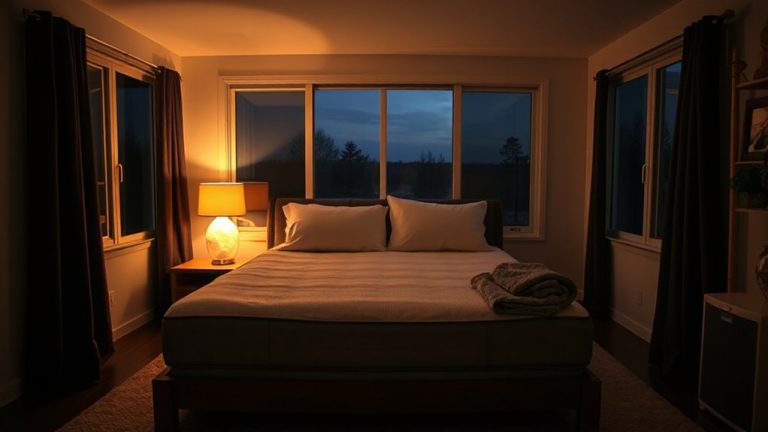
While warmth is the obvious goal when preparing for winter sleep, how you achieve it matters just as much for comfort and quality rest. Thermal sheets trap heat without overheating, wool blankets wick moisture while insulating, and knit pillows offer soft support that breathes. Together, they create a balanced sleep environment ideal for colder months. Bedside lamps let you adjust light gently before bed, supporting sleep cues without strain. Adding winter scents like cedar or vanilla in a diffuser may help signal your body it’s time to wind down. These elements don’t treat sleep disorders but can improve sleep hygiene when used consistently. Most quality sets offer trial periods-typically 30 to 90 days-so you can test comfort risk-free. Check warranty lengths, as wool and knit items often require gentle care. Look for machine-washable options to simplify maintenance without sacrificing performance. Top wool blankets made in the USA combine durability and sustainability, making wool blankets made in the USA an excellent choice for eco-conscious buyers.
How Thermal Sheets Keep You Warm and Dry
Because thermal sheets are designed with a special weave that traps body heat, they keep you warm without making you sweat, so you stay comfortable all night. Their moisture wicking properties pull dampness away from your skin, helping maintain dryness and support natural temperature regulation. This is especially helpful if you tend to overheat or experience night sweats. You don’t need heavy layers to stay warm, which reduces restlessness. Consider trying a set with a deep-pocket fit and durable seams for long-term use.
| Feature | Benefit | Performance |
|---|---|---|
| Tight knit weave | Enhances warmth | Reliable in cold rooms |
| Polyester blend | Improves moisture wicking | Stays dry to touch |
| Breathable fabric | Aids temperature regulation | Reduces overheating |
| Smooth texture | Gentle on skin | Suitable for sensitive sleepers |
| Machine washable | Easy care | Maintains quality over time |
Why Wool Blankets Trap Heat So Well
A wool blanket works quietly but effectively to keep you warm by leveraging the natural structure of wool fibers, which form tiny air pockets that trap heat and create insulation without excess weight. This natural insulation responds to your body’s needs, retaining warmth when it’s cold and releasing it when you overheat. Wool also excels at moisture wicking, pulling sweat away from your skin and allowing it to evaporate, so you stay dry and comfortable all night. Unlike synthetic materials, wool regulates temperature without clamminess, making it a smart choice if you struggle with night sweats or fluctuating sleep temperatures. Its breathability supports steady sleep cycles, which can help if you face mild sleep disruptions. Most wool blankets last years and often come with try-at-home trials or long warranties, so testing one involves little risk. It’s a durable, adaptable layer for winter rest.
Pick the Coziest Knit Pillows for Cold Nights
You’ve already got a wool blanket pulling double duty-trapping heat and managing moisture-so now consider what’s under your head. For cold nights, a knit pillow adds warmth through breathable insulation and soft texture. Look for ones made from natural fibers like wool or cotton blends-they regulate temperature better and resist odors. The right texture contrast between your smooth thermal sheets and nubby knit surface boosts comfort by reducing skin irritation and adding sensory feedback. Choose color coordination with your bedding to maintain visual harmony, which may help ease nighttime anxiety. Some brands offer trial periods, so test firmness and loft before committing. Pillows with removable, washable covers make upkeep easier. While no pillow cures sleep disorders, a well-chosen knit option supports comfort and warmth-key for restful nights. Check warranty policies in case adjustments are needed. For eco-conscious sleepers, consider a certified organic pillow to ensure sustainable and non-toxic materials throughout.
How to Layer for Maximum Warmth and Comfort
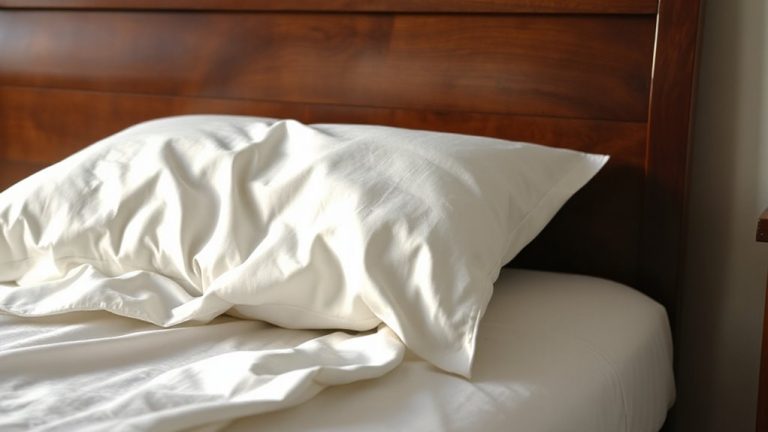
When layering your bedding for winter, start with thermal sheets as your base since they’re designed to trap body heat while wicking away moisture, keeping you dry and warm. Add a wool blanket on top-it naturally regulates temperature and resists overheating, even in varying room humidity levels. Wool also resists dust mites, which can affect sleep quality, especially for those with respiratory sensitivities. Your bed positioning matters: if your bed is near a drafty window or exterior wall, extra layers may be needed on that side to maintain consistent warmth. Finish with a knit pillow for soft support that allows heat to escape, preventing stuffiness. This layered approach balances insulation and breathability, helping you stay comfortable through the night. Adjust thickness based on your room’s climate and personal preference. Good layering supports stable sleep, especially for those sensitive to temperature shifts. For optimal results, choose best bed sheets for cold weather that combine softness with superior warmth retention.
Care for Thermal Sheets and Wool Blankets
Proper care helps thermal sheets and wool blankets maintain their performance through the seasons. You’ll want to use gentle washing techniques to preserve fabric integrity-thermal sheets usually tolerate machine washing in cool water on a delicate cycle, but always check labels. Avoid harsh detergents and high heat, as these weaken fibers and reduce warmth over time. Wool blankets shouldn’t be washed often; spot clean when possible, and when needed, use a wool-safe detergent and hand wash or select a wool cycle. Never wring or twist them dry. Instead, lay flat to prevent shrinking. For long-term use, your storage solutions matter-keep wool in breathable cotton bags away from moisture and moths. Avoid plastic bins, which trap humidity. Fold thermal sheets loosely to prevent creasing. With consistent, thoughtful care, both materials retain their insulating qualities and softness, supporting comfortable sleep through repeated winter use.
Style Your Bed for Winter Warmth and Comfort
Though warmth is the priority, layering your bed thoughtfully can balance insulation with breathability for more restful nights. Start with thermal sheets as your base-they hug your body while allowing airflow to prevent overheating. Add a wool blanket on top; its natural temperature regulation supports steady warmth without trapping moisture. Choose a knit pillow to maintain neck support while softening your bed’s look and feel. These layers don’t just help with comfort-they also influence bed aesthetics. Focus on color coordination to create a calming, cohesive sleep environment; soft neutrals or cool tones may ease the shift into sleep. Matching textures and hues can reduce visual clutter, which some find helpful for winding down. Test different arrangements and return or adjust pieces if needed-many quality sets come with trial periods. A well-styled bed supports both physical comfort and consistent sleep habits.
On a final note
You’ll sleep warmer and more comfortably by pairing thermal sheets with a wool blanket and knit pillows this winter. Thermal sheets wick moisture while trapping heat, wool naturally insulates even when damp, and knit pillows add softness without overheating. Together, they create a breathable, layered system. Try them for a few nights-if your sleep improves, consider keeping the setup. Check care labels and warranty details before buying.