How Blue Light From Electronics Disrupts Your Circadian Rhythms and What You Can Do About It
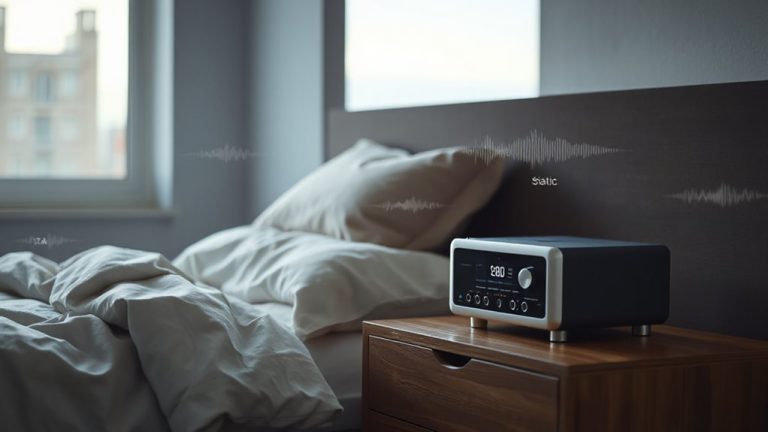
Blue light from your screens delays melatonin, making your brain think it’s still daytime and disrupting your sleep rhythm. This can weaken deep sleep and REM, leaving you tired or unfocused the next day. Use night mode to shift colors warmer, or try blue light glasses-amber lenses block more, while clear ones offer mild help. Charge your phone outside the bedroom and swap scrolling for dim-light reading or herbal tea. You’ll find better rest comes from consistent, low-stimulus routines before bed. There’s more to explore about fine-tuning your nightly habits for long-term balance.
Notable Insights
- Blue light from screens suppresses melatonin, delaying sleep onset and disrupting circadian rhythms.
- Evening screen exposure shifts the internal clock, making it harder to fall and stay asleep.
- Using phones or tablets at night reduces deep sleep and REM cycles, impairing rest quality.
- Implement a screen curfew an hour before bed and charge devices outside the bedroom.
- Wear blue light-blocking glasses or use night mode to reduce evening blue light exposure.
Why Blue Light Keeps You Awake at Night
While your body’s natural sleep-wake cycle relies on light cues, blue light from screens and LEDs can delay melatonin release, making it harder to fall asleep. This melatonin suppression tricks your brain into thinking it’s still daytime, shifting your internal clock and weakening sleep architecture over time. When deep sleep and REM cycles get disrupted, you’re more likely to wake up tired or struggle with focus the next day. You don’t have to give up devices completely-just consider reducing screen time two hours before bed or using blue light filters. Some glasses with amber lenses block blue wavelengths and have shown modest improvements in sleep quality during trials. Look for models with anti-reflective coating and durable frames if you plan long-term use. A 30-day return policy lets you test comfort and effectiveness. Small adjustments can support better sleep habits without drastic changes.
How Screens Shut Off Your Sleep Hormone
Why does it feel so hard to wind down after scrolling through your phone at night? It’s because screen exposure, especially from phones and tablets, triggers melatonin suppression. Your brain mistakes the blue light for daylight, slowing the release of this key sleep hormone. Without enough melatonin, your body doesn’t get the signal that it’s time to rest. This delay can push your sleep cycle off track, making it harder to fall asleep or stay asleep. Melatonin suppression isn’t instant-it builds with repeated evening screen exposure. Over time, this may contribute to sleep difficulties or worsen existing sleep patterns. While melatonin supplements are available, they’re best used temporarily and under guidance. Understanding how screens affect your natural rhythm helps you make informed choices about when and how you use devices before bed.
Simple Habits to Cut Blue Light Before Bed
You can start protecting your sleep by adjusting how and when you use screens at night. Try a screen detox at least an hour before bed-swap scrolling for reading a book or writing in a journal. This shift supports healthy bedtime rituals that signal your body it’s time to wind down. If you must use devices, keep the lights low and avoid bright backlit screens. Charging your phone outside the bedroom helps reduce temptation and trains your brain to link the bed with sleep, not stimulation. Small changes, like setting a consistent screen curfew or using dim red nightlights, improve sleep onset and quality. These habits don’t require special gear, just routine and awareness. Over time, they strengthen your body’s natural rhythm, making it easier to fall asleep and wake up feeling refreshed.
Use Night Mode and Blue Light Glasses
A growing number of devices now come with a night mode that shifts screen colors to warmer tones, cutting down on blue light emission in the evening. You can also use screen filters or wear blue light glasses to reduce exposure. These tools help lessen eye strain and support natural melatonin release, which aids sleep. Not all blue light glasses block the same wavelengths, so check the specs before buying.
| Product | Blocks Blue Light? | Reduces Eye Strain? |
|---|---|---|
| Night Mode | Yes | Yes |
| Screen Filters | Yes | Yes |
| Clear-Lens Glasses | Partial | Mild |
| Amber-Lens Glasses | Full spectrum | Strong |
| Built-in Device Settings | Adjustable | Moderate |
Many come with trial periods, letting you test comfort and effectiveness. Choose based on your screen use and sensitivity.
Replace Late-Night Scrolling With Sleep-Friendly Habits
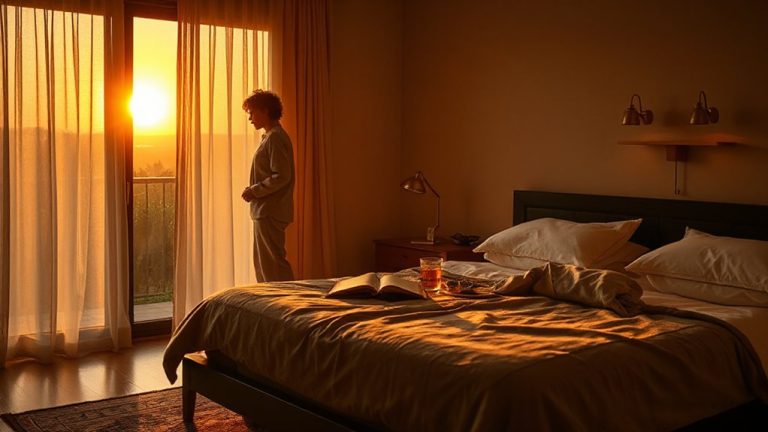
What if the last thing you did before bed didn’t involve a screen? You could swap late-night scrolling for habits that support better sleep. Reading books with dim, warm lighting helps signal your brain that it’s time to wind down, easing the shift into rest. Drinking tea like chamomomile or valerian root may improve sleep quality, though you should avoid caffeine. These activities don’t produce blue light, so they don’t disrupt melatonin the way phones or tablets do. If you struggle with falling asleep, replacing screens with low-stimulus routines might reduce sleep onset time. Some people notice improvements within a week. It’s a low-risk change with few downsides. You can try it without tools or expenses. Consider it a simple test-observe how your sleep responds before deciding on more involved solutions. For a natural option backed by tradition and research, try one of the best herbal sleep teas known for promoting relaxation and restful sleep.
Build a 30-Minute Wind-Down Routine
Setting aside screens isn’t the only step toward better sleep-building a consistent 30-minute wind-down routine can further prepare your body and mind for rest. Start by dimming the lights and switching to activities that signal it’s time to slow down. Drinking tea like chamomile or valerian root may help calm your nervous system, but avoid caffeine-containing varieties. Reading books, especially physical copies or e-ink devices, reduces mental stimulation more effectively than scrolling. Choose light content-avoid thrillers or work-related material. Keep the environment quiet, cool, and predictable. This routine doesn’t require special products, though sleep trackers can help you assess its impact over time. If you struggle despite changes, consider consulting a sleep specialist. Over weeks, most notice improved sleep onset and reduced nighttime awakenings. Consistency matters more than perfection-small, repeatable habits often yield the best results. For parents seeking similar calming techniques for infants, incorporating best baby sleep cozy relief gear can support a seamless transition to restful sleep.
On a final note
You can protect your sleep by reducing blue light exposure at night. Turning on night mode, wearing blue light glasses, and avoiding screens 30 minutes before bed help maintain natural melatonin release. Replace scrolling with reading or light stretching. Small, consistent habits support circadian rhythms without drastic changes. Try adjustments for a week to see what works. Most tools are easy to use and free, with no risk if you decide to stop.