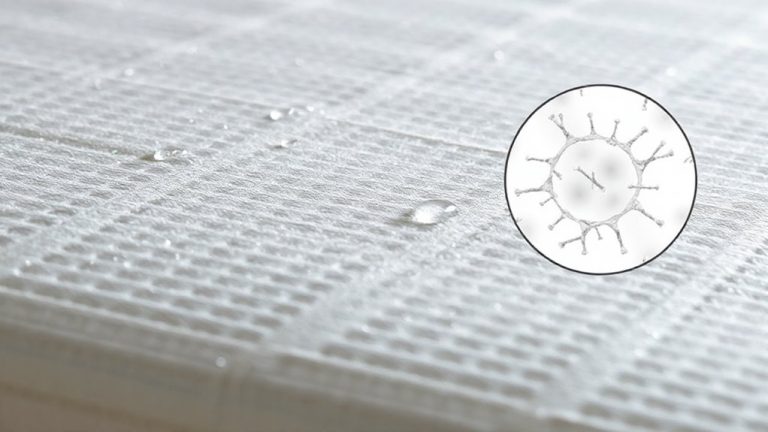
Pre-Cooling Mattress Surface 90 Minutes Before Bed Using Refrigerated Pads
You fall asleep faster when you pre-cool your mattress 90 minutes before bed with a refrigerated pad, as it supports your body’s natural temperature drop. These pads use quiet, moisture-free cooling to gently lower skin heat, syncing with circadian rhythms. Models with dual chambers and seamless welding offer even, durable performance, while app controls let you automate timing. Most include trial periods and warranties, so you can test comfort and fit-there’s more to discover about finding your ideal setup.
Notable Insights
- Pre-cooling the mattress 90 minutes before bed aligns with the body’s natural core temperature drop, promoting faster sleep onset.
- Refrigerated cooling pads provide consistent, quiet, and moisture-free cooling for effective thermal preparation.
- Starting pre-cooling 90 minutes prior enhances sleep readiness and supports deeper initial sleep stages.
- High-performance pads use durable materials and dual-chamber designs for even, sustained temperature distribution.
- Smart controls and timers allow precise 90-minute pre-cooling schedules, with remote adjustments for optimal comfort.
Why Pre-Cooling Your Mattress Speeds Up Sleep
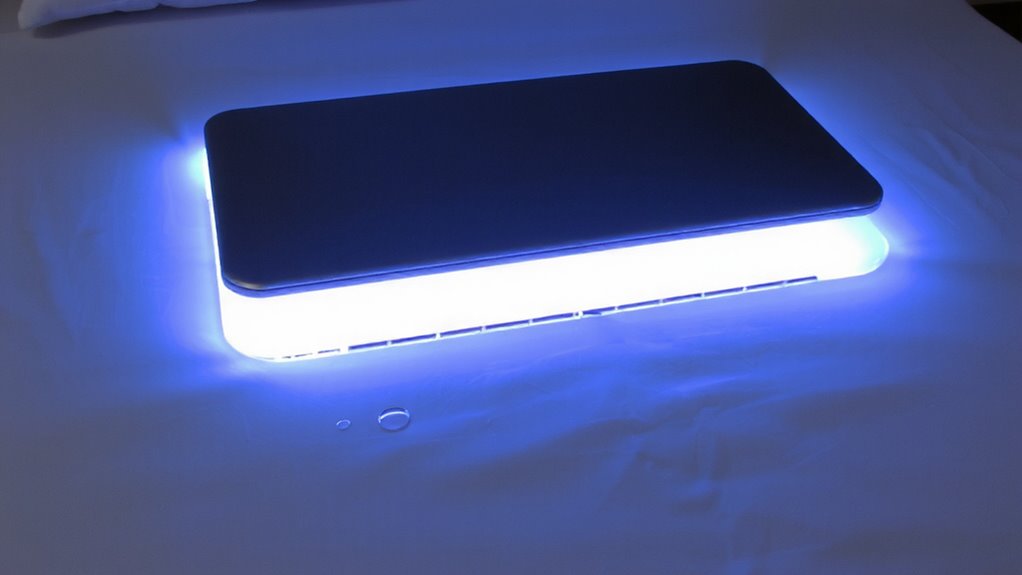
While your body naturally cools down as bedtime approaches, starting with a cold mattress surface can help speed up that process, making it easier to fall asleep. You likely notice how a warm room delays sleep onset, while cooler environments often support faster, smoother shifts into rest. That’s because lowering your body temperature signals your brain that it’s time to rest. A pre-cooled mattress surface, especially one cooled 90 minutes before bed, supports this natural drop more effectively. Refrigerated pads designed for this purpose maintain steady cooling without moisture or noise, integrating easily into most bed setups. They’re typically low-profile, water-resistant, and safe for long-term use. Most come with adjustable timers and offer trial periods-often 30 to 90 days-so you can test effectiveness for sleep onset without risk. Performance varies slightly by model, but consistent cooling has been linked in studies to improved sleep quality and quicker body temperature regulation.
How Cooling Pads Prep Your Body for Sleep
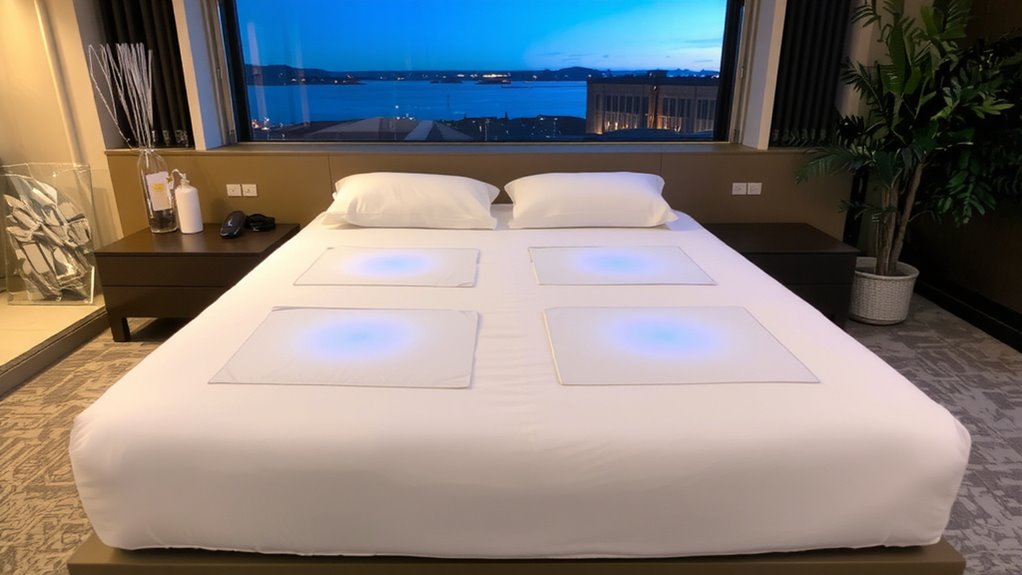
How does your body know it’s time to sleep? It relies on a drop in core temperature, signaling the brain that rest is near. Cooling pads help this process by starting thermal adaptation before you even lie down. As you sit or lie on the pre-cooled surface, your body begins releasing heat, easing the shift into sleep mode. This gradual cooling supports natural circadian rhythms without shocking the system. The pads use refrigerated elements enclosed in durable, breathable materials, designed for consistent performance night after night. Many models offer adjustable settings, letting you find the right balance for comfort. Units often come with trial periods and limited warranties, so testing one carries little risk. You’re not just changing how your bed feels-you’re guiding your physiology toward more reliable rest. For those tracking sleep quality, this small step may offer measurable improvement.
When to Start Pre-Cooling: 90 Minutes Before Bed
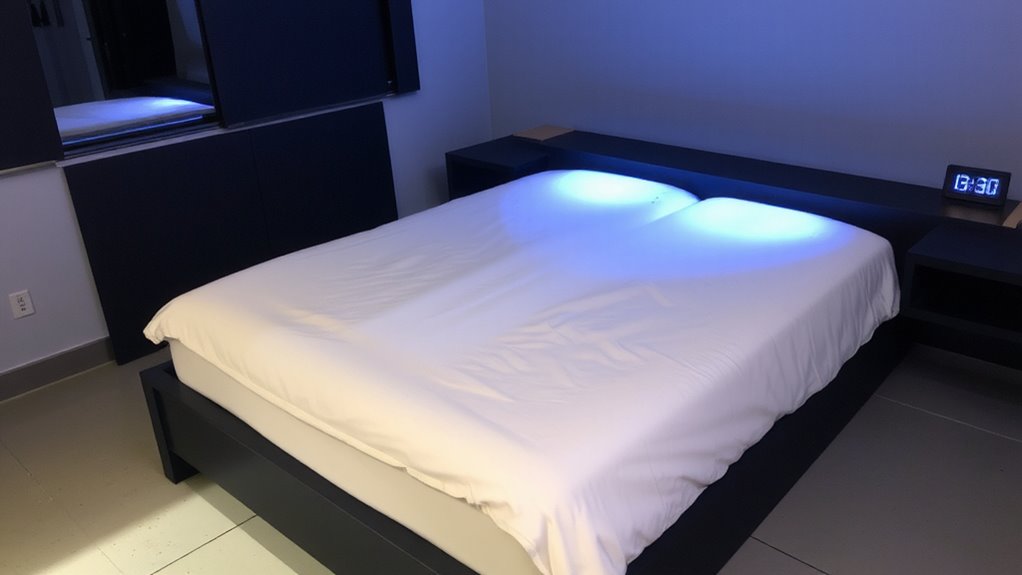
Starting the pre-cooling process about 90 minutes before bed gives your body enough time to adjust to the lower temperature, making it easier to fall asleep when lights go out. This early preparation supports natural circadian rhythms, especially if you struggle with overheating at night. The timing benefits include deeper initial sleep stages and fewer disturbances. To help visualize the impact, consider the following:
| Time Before Bed | Core Temp Change | Sleep Readiness |
|---|---|---|
| 120 minutes | Slight decrease | Moderate |
| 90 minutes | Noticeable drop | High |
| 60 minutes | Mild reduction | Lower |
Using refrigerated pads at the right moment enhances consistency in sleep onset. Early preparation doesn’t guarantee immediate results for everyone, but many report improved comfort within a few nights. Check product trial periods to test effectiveness safely.
Best Cooling Pads for Pre-Sleep Cooling
What makes one cooling pad better than another for pre-sleep use? You’ll want to evaluate material durability and pad thickness first. Pads made with medical-grade PVC or reinforced polymer last longer and resist leaks, which matters if you’re using them nightly. Thicker pads, usually 1.5 to 2 inches, hold cold longer but may take more time to pre-cool. Thinner models cool faster but might not sustain low temps through the full 90-minute window. Look for units with seamless welding-this boosts material durability and reduces weak spots. Dual-chamber designs often give more even cooling across the sleep surface. Many top brands offer trial periods of 30 to 60 days, so you can test comfort and effectiveness. Check warranty length, too-2 to 3 years suggests confidence in build quality.
Automate Your Pre-Cooling Schedule
Could timing be just as important as temperature when it comes to cooling your mattress before bed? Yes-if your pad turns on too late, your mattress won’t reach the ideal temperature by bedtime. That’s where smart timers come in. They let you schedule cooling to start exactly 90 minutes before you sleep, matching your routine without daily effort. Many cooling pads now support smart timers that sync with apps, so you can set, adjust, or cancel sessions easily. Some even let you use a remote control to fine-tune timing from bed. This is helpful if your schedule shifts or you want extra cooling on hot nights. Models with trial periods let you test automation features risk-free. Combining smart timers with remote control access improves consistency, aiding sleep onset-especially for people with trouble regulating body temperature at night.
Fix Common Pre-Cooling Issues
Why does your cooling pad sometimes fail to deliver the expected relief? Issues often stem from improper pad placement or incorrect temperature control settings. If the pad isn’t lying flat beneath your fitted sheet, direct contact with your body is reduced, limiting its cooling effect. Make sure it’s centered and smooth, without folds or bunching. Temperature control matters just as much-setting it too low may cause discomfort, while too high won’t effectively pre-cool the surface. Most units allow incremental adjustments; start at a mid-range setting and adjust over a few nights. Check that your model’s refrigeration unit is properly connected and has completed its cooling cycle before use. Units with longer warranties often provide better long-term reliability. Test different configurations to see what supports consistent, comfortable sleep.
On a final note
You can use refrigerated cooling pads to pre-cool your mattress 90 minutes before bed, helping your body reach sleep-ready temperatures. These pads often feature gel-infused designs, quiet operation, and machine-washable covers. Look for models with adjustable timers and dual-zone options for shared beds. Most offer 30- to 100-night trial periods and limited warranties, so test them risk-free. If you struggle with nighttime heat or mild insomnia, this method may improve sleep onset without medication.