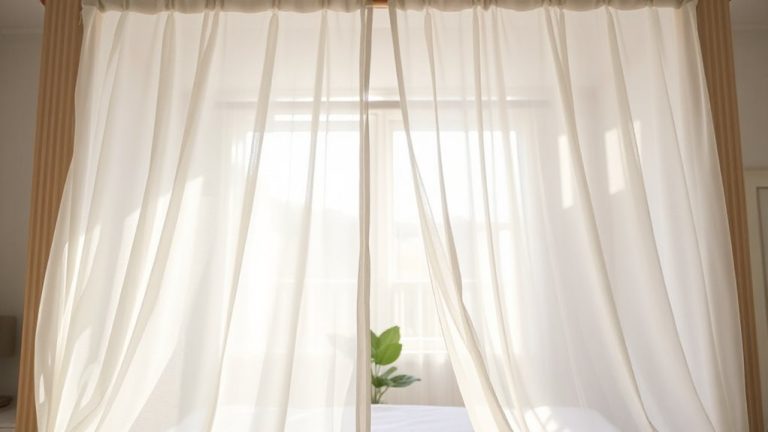
How to Use Environmental Cues to Improve Sleep-Wake Patterns
Get morning sun within an hour of waking to reset your circadian clock-10 to 15 minutes outside can boost alertness and support natural cortisol release. Aim for 30 minutes of daylight soon after rising to strengthen your sleep-wake cycle. Cut back on evening blue light from screens at least one hour before bed to help melatonin rise on time. Use consistent meal times, daily movement, and outdoor light-even on cloudy days-to build reliable cues. Keep your bedroom cool, between 60–67°F, and limit noise for deeper sleep. Try these steps first to reduce reliance on sleep aids, and you’ll likely notice better energy and sleep over time.
Notable Insights
- Get 10–15 minutes of morning sun exposure within the first hour of waking to align your internal clock with the natural light-dark cycle.
- Spend 30 minutes outdoors in daylight shortly after waking to strengthen circadian rhythm and improve nighttime sleep quality.
- Reduce blue light exposure from screens at least one hour before bedtime to support natural melatonin release and sleep onset.
- Maintain consistent daily timing for meals, exercise, and light exposure to reinforce stable sleep-wake patterns.
- Optimize your bedroom environment with cool temperatures (60–67°F), minimal noise, and good air quality to support uninterrupted sleep.
Get Morning Sun to Reset Your Circadian Clock
While your body’s internal clock runs on its own rhythm, getting outside in the morning sun can help align it more closely with the natural light-dark cycle. Sun exposure within the first hour of waking sends a strong signal to your brain to suppress melatonin, helping you feel more alert. Natural light, especially in the blue-spectrum morning rays, supports the timely release of cortisol, which regulates energy and focus. This daily cue sharpens the contrast between day and night, making sleep easier later. For those with irregular sleep patterns or mild circadian disruptions, consistent morning light may reduce reliance on sleep aids. It’s a non-invasive method with no downside when done safely-just 10 to 15 minutes suffices. Unlike artificial light, natural sunlight delivers the intensity and spectrum needed to influence circadian timing. Over time, this practice can stabilize your sleep-wake rhythm without added cost or risk.
Get 30 Minutes of Daylight Right After Waking
If you’re looking to strengthen your sleep-wake cycle, stepping outside for 30 minutes of daylight right after waking can make a meaningful difference. Getting consistent sun exposure helps regulate your internal clock, making it easier to maintain steady wake timing each day. Even on cloudy days, outdoor light provides enough signal to your brain to suppress melatonin and boost alertness. You don’t need direct sunlight-just being outdoors while walking, having coffee, or commuting counts. This simple habit supports natural circadian alignment, which can improve nighttime sleep quality over time. For those with irregular schedules or trouble waking, morning light exposure offers a drug-free way to enhance rhythm stability. It’s a low-effort, no-cost strategy with lasting benefits for sleep health and daily functioning.
Turn Off Blue Light at Night to Sleep Faster
Since your brain’s natural sleep rhythm is sensitive to light, reducing blue light exposure in the evening can help you fall asleep more easily. Blue light from phones, tablets, and computers delays melatonin production, tricking your brain into staying alert. Cutting back on screen time at least one hour before bed supports your body’s shift into sleep mode. Consider using blue light filters or wearing glasses that block these wavelengths if you must use devices. Many smartphones and laptops have built-in night modes that reduce blue light automatically in the evening. While these tools help, completely limiting screen time gives better results. You might not notice immediate changes, but consistent adjustments improve sleep onset over time. This small change doesn’t require cost or equipment, making it an accessible step for most. It’s a low-risk method worth trying before turning to sleep aids or clinical interventions. For extended nighttime reading, consider using a dedicated e-reader like the Best Kindle for Nighttime Reading.
Set Daily Cues With Meals, Movement, and Light
How do your daily routines shape your sleep-wake cycle? Consistent meal timing helps regulate your internal clock, especially when you eat meals at the same times each day. Breakfast shortly after waking, a balanced lunch, and an early dinner signal your body’s rhythm clearly. Physical activity also strengthens your circadian cues, but timing matters-exercising in the morning or afternoon supports better sleep than late-night workouts. Morning light exposure, like a walk outside, boosts alertness and sets your clock for nighttime drowsiness. Even on cloudy days, outdoor light is far stronger than indoor lighting and works faster. Pairing light exposure with eating and movement creates a reliable daily pattern. These cues don’t require special tools or sleep aids, just small, steady habits. Over time, your body learns when to be awake and when to wind down-no prescription needed.
Keep Your Bedroom Cool and Quiet for Deep Sleep
A cool, quiet bedroom sets the stage for deeper, more restorative sleep. Keeping your room between 60–67°F helps your body naturally lower its core temperature, a key signal for sleep onset. Noise interruptions, even subtle ones, can disrupt sleep cycles, so consider using earplugs or a white noise machine if needed. Good bedroom ventilation supports air quality and prevents stuffiness, which may otherwise disturb breathing or comfort. A well-ventilated room also helps maintain consistent temperature throughout the night. When optimizing your sleep environment, choose breathable bedding and lightweight sleepwear to avoid overheating. Fans or air purifiers can improve airflow, but make sure they’re quiet to preserve calm. Test different solutions and adjust based on how rested you feel, not just comfort at bedtime. Small, consistent improvements in temperature and noise control enhance sleep quality over time. Adding a best humidifier can also help maintain optimal humidity levels for comfortable breathing and skin health during sleep.
Boost Alertness With Midday Sun and Fresh Air
While you might feel tempted to stay indoors during the day, stepping outside around midday can make a real difference in how alert you feel. Just 15 to 30 minutes of sunlight exposure at noon helps regulate your circadian rhythm, boosting daytime wakefulness and supporting better sleep at night. Natural light tells your body it’s time to be awake, reducing grogginess and improving focus. Pair this with natural ventilation-opening windows or sitting near breezy areas-so fresh air circulates and enhances mental clarity. You don’t need intense physical activity; a simple walk or eating lunch outside works. If you’re indoors, position yourself near a window to increase light exposure. Even on cloudy days, outdoor light remains more effective than indoor lighting. This practice supports long-term sleep patterns and can reduce reliance on sleep aids by strengthening your body’s internal clock naturally.
On a final note
You can shape your sleep-wake cycle by using light, meals, and movement as daily cues. Morning sunlight resets your circadian clock, while avoiding blue light at night helps you fall asleep faster. Keep your bedroom cool and quiet to support deep sleep. Midday sun and fresh air boost alertness. Try these steps before turning to sleep aids, since they build long-term habits without side effects or cost.