Natural Remedies to Combat Acute Insomnia Without Prescription Medication
You can tackle acute insomnia naturally by addressing stress and sleep habits first. Try mindful breathing or progressive muscle relaxation to quiet a racing mind. Herbal teas like chamomile may help you fall asleep faster, and keeping a consistent bedtime routine strengthens your sleep cycle. Make your bedroom dark, quiet, and screen-free to support rest. If sleep doesn’t improve within a few weeks, other effective options are worth exploring.
Notable Insights
- Practice mindful breathing or progressive muscle relaxation to calm the mind and body before sleep.
- Drink herbal teas like chamomile or passionflower to naturally reduce sleep onset time.
- Optimize your bedroom with blackout curtains, white noise, and a comfortable mattress for ideal sleep conditions.
- Establish a consistent bedtime routine with dimmed lights and screen avoidance to support circadian rhythm.
- Use guided imagery or body scan techniques to quiet sleep-related anxiety and improve sleep quality.
Recognize Acute Insomnia: Signs and Triggers
While you might occasionally toss and turn, acute insomnia is more than just a bad night’s sleep-it’s trouble falling or staying asleep that lasts a few days to weeks, often tied to specific causes like stress, travel, or illness. You may notice it starts suddenly, coinciding with major stress triggers like job changes or personal conflicts. Sleep anxiety often follows, where worrying about not sleeping actually worsens rest. You’re likely dealing with acute insomnia if symptoms resolve once the trigger passes, without needing long-term sleep aids. It rarely requires medical intervention, but recognizing patterns helps you decide when to adjust habits or seek help. Unlike chronic conditions, this form doesn’t usually persist beyond a month. Tracking sleep times and potential triggers can clarify whether adjustments in routine or environment might help. Identifying stress triggers and managing sleep anxiety early supports better, more informed choices about natural remedies and when to allow time to heal. A variety of natural sleep remedies can offer effective relief without the need for prescription medication.
Quiet a Racing Mind Tonight Without Pills
Here are simple ways to begin:
| Technique | How to Practice |
|---|---|
| Mindful breathing | Inhale slowly for 4 counts, hold for 4, exhale for 6 |
| Progressive relaxation | Tense then release muscles from toes to head |
| Guided imagery | Visualize a quiet, safe place in your mind |
| Body scan | Focus attention gradually across body parts |
Both mindful breathing and progressive relaxation are easy to learn, require no tools, and can be done in bed. They work best with practice, so try them even when not struggling to sleep. These methods support natural sleep onset without pills.
Try These Natural Remedies for Acute Insomnia
What if you could quiet your thoughts and ease into sleep without relying on medication? You can start by incorporating herbal teas like chamomile or passionflower an hour before bed-studies suggest they may help reduce sleep latency and improve sleep quality. These teas are non-habit forming and generally safe, though you should check for interactions if you’re on other medications. Pair this with consistent sleep rituals, such as dimming lights and reading, to signal your body it’s time to wind down. Regular sleep rituals strengthen your circadian rhythm over time, making it easier to fall asleep and stay asleep. While results vary, most people see improvements within a few nights of consistent use. Give each remedy a fair trial-about three to five days-before deciding if it works for you. There’s no one-size-fits-all fix, but thoughtful choices can help you regain rest. For a reliable option, consider trying one of the best chamomile tea picks based on quality and flavor profile.
Make Your Bedroom a Sleep Sanctuary
You’ve already started building better sleep habits with calming teas and a steady wind-down routine, and now it’s time to turn your attention to the space where you sleep. Your bedroom should support rest, not distraction. Start with room decor-choose soft, neutral colors and minimal furnishings to create a clean, relaxing atmosphere. Avoid screens or work-related items that signal alertness. Invest in blackout curtains to block outside light and help regulate your environment. For noise control, consider a white noise machine or earplugs if you’re sensitive to sound. These tools can buffer street noise or household disruptions. Make sure your mattress and pillow suit your comfort needs, as physical support plays a key role in uninterrupted rest. A well-designed sleep sanctuary improves both falling asleep and staying asleep, making it a practical step toward better sleep without medication. For added benefit, consider incorporating best sleep-friendly room decor picks to enhance comfort and promote restful conditions.
Fix Your Internal Clock With Daily Habits
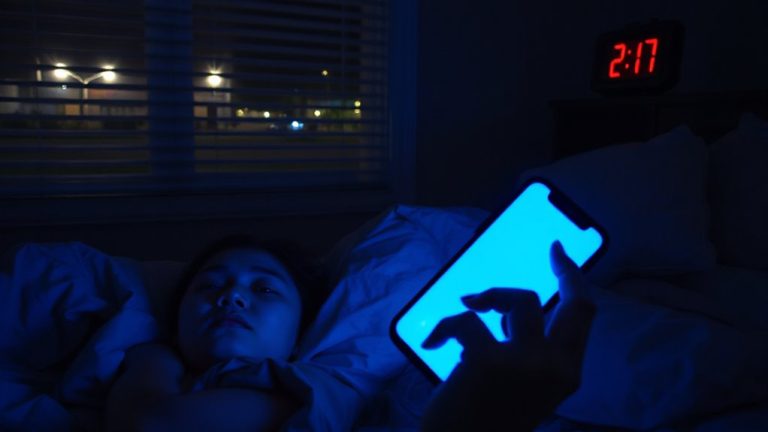
Why does your body feel alert at night when it should be winding down? Because your internal clock is out of sync. You can retrain it with a consistent routine and morning light. Start each day at the same time, even on weekends. Then, get 15–30 minutes of morning light-it signals your brain to stop producing melatonin. Avoid screens at night, since blue light mimics daylight. A stable routine builds predictability.
| Time of Day | Habit |
|---|---|
| 7:00 AM | Wake up, open curtains |
| 7:15 AM | Walk outside for morning light |
| 8:00 AM | Eat breakfast, no caffeine after 10 AM |
| 9:00 PM | Dim lights, no screens |
| 10:00 PM | Lights out, consistent routine followed |
When Natural Remedies Aren’t Enough: Seek Help
Sticking to a consistent routine and morning light exposure can make a real difference in resetting your sleep cycle, but sometimes those changes alone don’t bring the rest you need. If insomnia lasts more than a few weeks or starts affecting your mood, focus, or daily function, it might be time to take into account professional support. Poor sleep often ties closely to mental health, and untreated insomnia can worsen anxiety or depression. A healthcare provider can help identify underlying causes, whether they’re psychological, physiological, or environmental. Cognitive behavioral therapy for insomnia (CBT-I) is a proven, non-drug option that targets thought patterns and behaviors. Blood tests, sleep studies, or referrals to sleep specialists may also be part of the evaluation. Don’t wait until exhaustion takes over-early support improves outcomes. You’re not alone, and help is available.
On a final note
You now have practical options to try before turning to medications. These natural approaches-sleep-friendly habits, calming routines, and an optimized bedroom-work well for many facing short-term sleep troubles. They’re low-risk, easy to adjust, and align with your body’s natural rhythms. If insomnia lasts beyond a few weeks or disrupts your daily life, though, it’s wise to consult a healthcare provider to explore underlying causes and evidence-based treatments.