How to Manage Irregular Sleep-Wake Rhythm Disorder in Blind Individuals
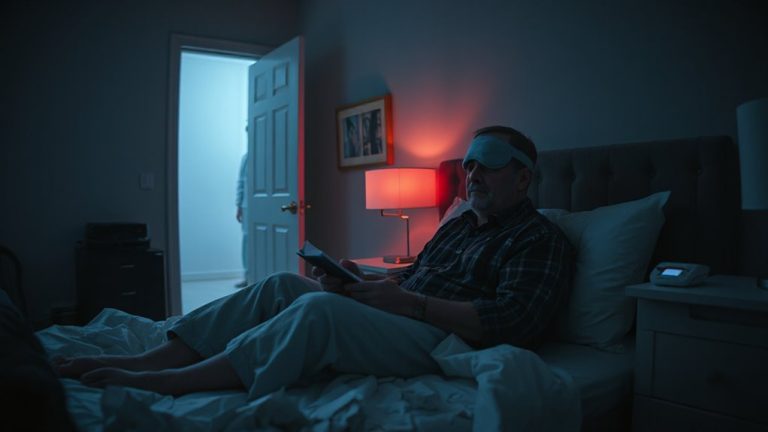
You can manage irregular sleep-wake rhythm disorder by sticking to the same sleep and wake times every day, even on weekends. Take melatonin 1–2 hours before bed, starting with a low dose like 0.5–3 mg. Keep your bedroom cool, around 65°F, use white noise, and follow a calming routine. Even without full light perception, timed bright light exposure or therapy devices may help. Consistency strengthens your body’s rhythms, and further adjustments can build on this foundation.
Notable Insights
- Use melatonin supplements 1–2 hours before bedtime to help regulate the sleep-wake cycle in the absence of light cues.
- Maintain a consistent sleep schedule by going to bed and waking up at the same time every day, including weekends.
- Optimize the sleep environment with a cool temperature, white noise, and breathable bedding to support sleep continuity.
- Establish a fixed bedtime routine to strengthen circadian rhythm through predictable daily cues.
- Utilize light therapy devices with timed, bright light exposure to anchor circadian rhythms, especially if residual light perception exists.
Why Blind People Develop Irregular Sleep-Wake Rhythm Disorder
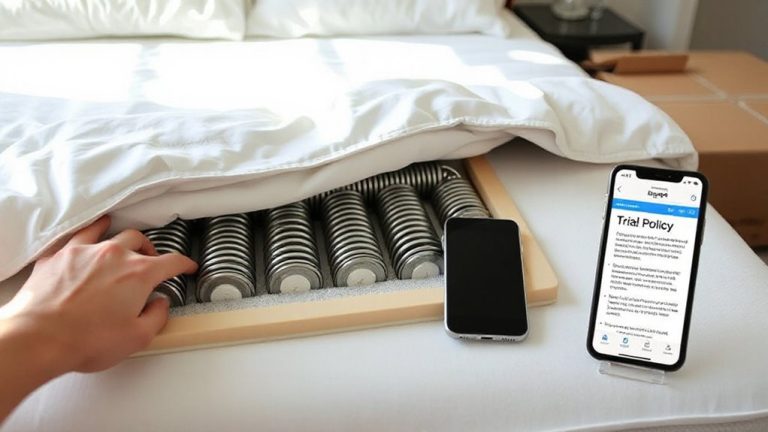
How does a lack of light perception disrupt your sleep-wake cycle? Without light cues, your brain can’t regulate melatonin release properly, leading to irregular sleep patterns. If you’re blind, especially due to conditions involving neural degeneration, your retinohypothalamic tract may not transmit signals to the suprachiasmatic nucleus, weakening circadian rhythm control. This disruption is compounded if you have a genetic predisposition to sleep disorders, increasing your risk for irregular sleep-wake rhythm disorder. You might find yourself napping frequently or struggling to stay asleep at night. Though melatonin supplements or light-mimicking devices won’t restore vision, they can support rhythm regulation. Consider discussing trial options with your doctor, especially products with adjustable intensity and timers. Look for devices backed by clinical studies and solid warranties to guarantee performance over time. These tools can help you manage symptoms, supporting better sleep hygiene.
Stick to a Strict Sleep Schedule Every Day
Maintaining a consistent sleep schedule every day can help you stabilize your internal clock, even without light cues to guide your rhythm. Going to bed and waking up at the same time-yes, even on weekends-offers steady circadian support. Your body learns to expect sleep and wakefulness at predictable times, which improves sleep quality over time. This structure is a core part of good sleep hygiene, especially when light perception isn’t available to reset your rhythm naturally. Think of it as setting an internal alarm that works best with regular use. While it might feel tough at first, sticking to the schedule helps reduce nighttime awakenings and daytime drowsiness. You don’t need special tools-just discipline and possibly a trusted routine or alarm system. Over time, this consistency can make a meaningful difference in your daily energy and sleep stability.
Take Melatonin at the Right Time and Dose
Why might your body still struggle to wind down at night, even with a consistent schedule? Without light cues, your internal clock may not respond the way it should. That’s where melatonin comes in. Taking it at the right time-usually 1–2 hours before your target bedtime-helps support natural sleep signals. This is called melatonin timing, and it’s key for syncing your rhythm. Your ideal dose varies, but studies suggest low doses (0.5 to 3 mg) often work better than high ones. This means dosage effectiveness isn’t about more-it’s about precision. Too much melatonin can disrupt sleep or cause grogginess. It’s best to start low and adjust slowly. Talk to your doctor before starting, especially to rule out interactions. Used properly, melatonin can improve sleep onset and stability in blind individuals managing irregular rhythms.
Control Sound, Temperature, and Routine for Consistent Sleep
A quiet room, cool air, and a steady bedtime pattern aren’t luxuries-they’re building blocks for reliable sleep when your body can’t rely on sunlight. Keeping your bedroom a cool room-around 65°F-helps signal your body it’s time to rest. Even small temperature shifts can disrupt sleep cycles, so use breathable bedding and adjustable fans. Sound control matters too: background noise can interrupt sleep, but white noise machines or apps often help by masking sudden sounds. These devices offer steady sound patterns and usually let you adjust volume and tone. Pick one with a timer or battery backup for consistency. Pair white noise with a fixed routine-like brushing your teeth, then reading, then lights out-at the same time daily. This repetition builds predictability. Even on weekends, staying consistent strengthens your internal rhythm. Trial different tools for a few nights to see what works best-you may need to tweak your setup before finding the right balance. For those seeking optimal results, choosing from the best sound machines can make a significant difference in sleep quality.
Understand How Light Cues Shape Your Body Clock
Even though you can’t see light, your body still reacts to it in ways that shape your sleep-wake cycle, especially if you have some remaining light perception. Your brain uses light exposure to help set your internal clock, even without full vision. Regular light cues-like morning sunlight or bright indoor lighting-support better circadian alignment. This means your body’s rhythms for sleep, hormones, and temperature stay more in sync. Without these cues, your cycle may drift, leading to irregular sleep patterns. Using timed light exposure, even if indirect, can help anchor your rhythm. Light therapy devices, such as special lamps or goggles, are designed for this. They deliver consistent brightness at set times. Look for models with adjustable intensity and timers. A 30-minute morning session often works best. Check warranty and trial options before buying.
On a final note
You can manage irregular sleep-wake rhythm disorder by sticking to a consistent sleep schedule, even on weekends. Taking melatonin daily at the same time, usually before bed, helps align your internal clock. Control noise, keep your room cool, and follow a steady routine to support sleep. Though you can’t detect light, your body still responds to other time cues. Try these steps for several weeks to see what works best for you.