How to Combine Magnesium With Sleep Environment Tweaks
Take 200–400 mg of magnesium glycinate 30–60 minutes before bed to support calm nerves and stable sleep cycles. Pair this with a cool room between 60–67°F and a warm, dim light under 3000K to boost melatonin. Avoid blue light from screens an hour before sleep, or wear blue-light-blocking glasses if needed. Use adjustable cooling pads with warranties for comfort, and choose supportive bedding to align your spine-simple changes that work together to enhance sleep quality. More details on combining these elements follow.
Notable Insights
- Take 200–400 mg of magnesium glycinate 30–60 minutes before bed to support calmness and improve sleep onset.
- Set your bedroom temperature between 60–67°F to align with your body’s natural cooldown and enhance sleep quality.
- Use warm, dim lighting below 3000K in the evening to stimulate melatonin and signal your body it’s time to sleep.
- Avoid screens one hour before bed or wear blue light-blocking glasses to protect natural melatonin production.
- Combine magnesium supplementation with cooling bedding or adjustable mattress pads for optimal sleep environment synergy.
How Magnesium Helps You Fall and Stay Asleep

While your body naturally relies on magnesium to regulate neurotransmitters involved in sleep, getting enough of it can make a real difference in how quickly you drift off and how well you stay asleep. Magnesium supports balanced brain chemistry by helping calm overactive nerves, which can otherwise keep you awake. It plays a role in managing stress hormones that disrupt sleep cycles, allowing your body to shift more smoothly between stages of rest. When your brain chemistry is stabilized, you’re more likely to maintain consistent sleep cycles throughout the night. You might find that daily magnesium intake reduces nighttime wake-ups or helps you fall asleep faster-especially if you’re deficient. It’s not a sedative, but it creates conditions that support natural sleep. While results vary, combining it with healthy habits improves outcomes. Consider discussing long-term use with a healthcare provider to assess fit, especially if managing a sleep disorder. For optimal results, consider a high-quality magnesium taurate supplement that supports both relaxation and cardiovascular health.
Pick the Best Magnesium Type for Sleep: Glycinate vs Citrate
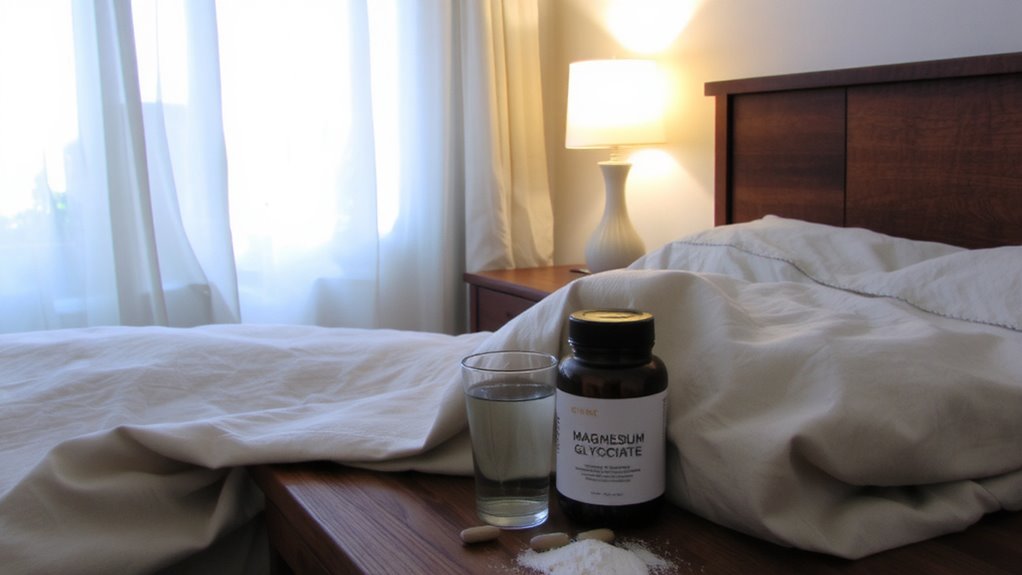
Which magnesium form works better for sleep-glycinate or citrate? If you’re aiming to improve sleep quality, glycinate is often preferred. It’s bound to glycine, an amino acid that supports relaxation, and offers high magnesium absorption with minimal digestive upset. This makes it ideal for nightly use, especially if you’re sensitive to supplements. Citrate, on the other hand, is well-absorbed too but acts as a mild laxative, which might disrupt sleep if gastrointestinal discomfort occurs. While both support nerve and muscle function, glycinate’s calming effect aligns more closely with sleep regulation. You might take 200–400 mg of glycinate 30–60 minutes before bed to start. Results vary, so try it consistently for a few weeks. Look for third-party tested brands with clear labeling. Always consider your personal health needs and consult a healthcare provider if you have kidney issues or take other medications. For reliable options, consider checking out the best organic magnesium supplements available. Best Organic Magnesium Supplements
Lower Bedroom Temperature for Deeper Sleep
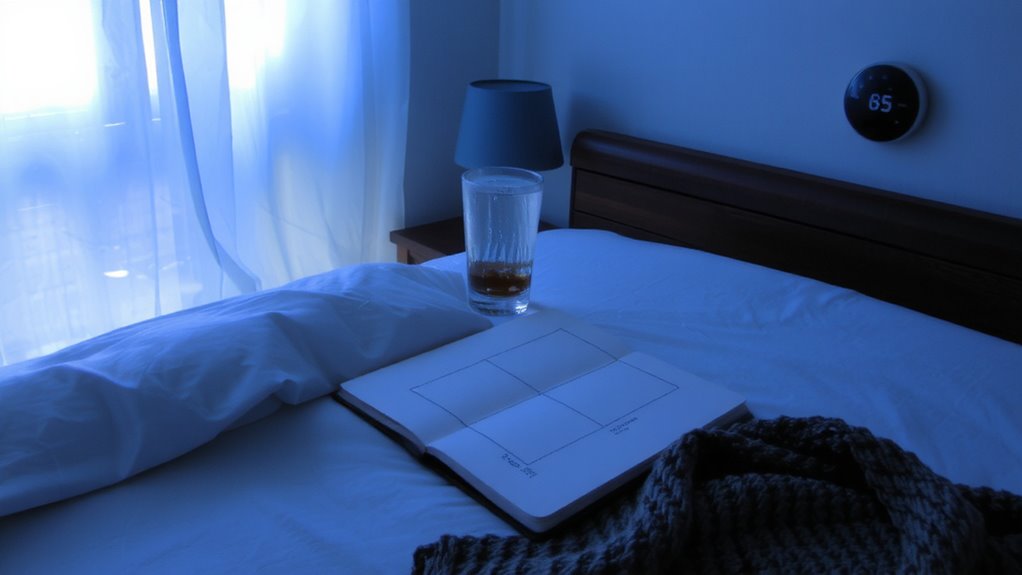
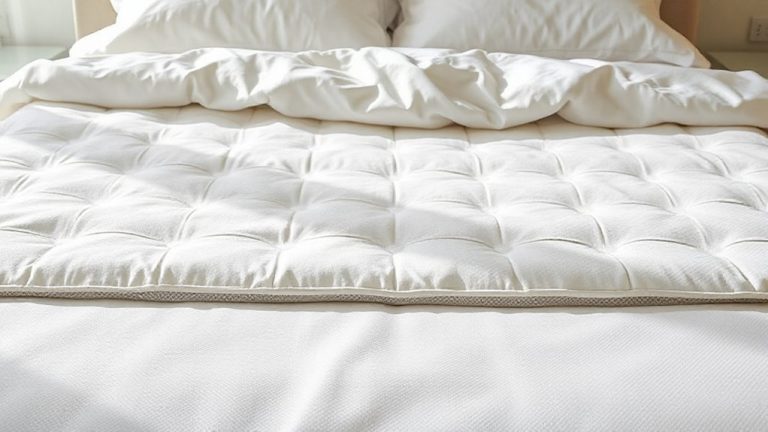
Cooling your bedroom could make a real difference in how deeply and steadily you sleep. Your body naturally lowers its core temperature at night, and a cooler room supports that process. The ideal thermostat setting for most people is between 60 and 67 degrees Fahrenheit. Staying within this range may help you fall asleep faster and spend more time in restorative deep sleep. If adjusting the thermostat isn’t enough, consider a cooling mattress pad. These pads often use water or air circulation to maintain a comfortable sleep surface and usually come with adjustable settings so you can personalize the temperature. Many models offer trial periods and warranties, letting you test them risk-free. While they vary in price and noise level, a reliable cooling mattress pad can be a practical investment, especially if you tend to overheat at night. For those seeking relief from nighttime heat, exploring the best cooling mattress pads can guide you to effective solutions tailored to your sleep needs.
Block Blue Light One Hour Before Bed
Why does scrolling through your phone before bed make it harder to wind down? Because blue light from screens causes melatonin suppression, tricking your brain into thinking it’s still daytime. This disrupts your natural sleep-wake cycle. To improve sleep quality, block blue light one hour before bed by turning off phones, tablets, and overhead lights. Use this time for screen-free activities like reading a book or journaling. Blue light exposure in the evening delays sleep onset and reduces sleep efficiency, especially if you’re prone to insomnia. Wearing blue light-blocking glasses is an option if screen use is unavoidable. These help reduce melatonin suppression and support circadian alignment. Pairing this habit with magnesium supplements may further calm your nervous system. Trial this change for a week and assess sleep improvements. Consistency supports long-term sleep health.
Use Warm, Dim Lights to Trigger Sleep Mode
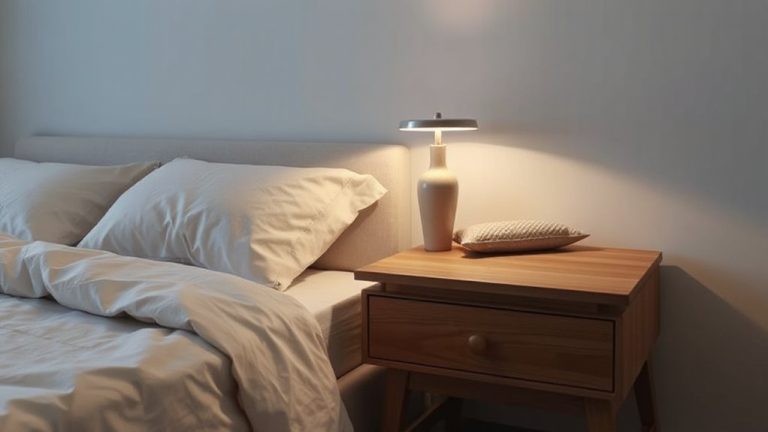
As evening approaches and you begin winding down, switching to warm, dim lighting can gently signal to your body that it’s time to prepare for sleep. Your brain responds to warm lighting by increasing melatonin production, the hormone that regulates sleep. Opt for bulbs with a color temperature below 3000K to create a dim ambiance that mimics sunset. Replace harsh overhead lights with lamps or adjustable fixtures in bedrooms and living areas. This shift supports circadian alignment, especially after blocking blue light earlier. Dim ambiance doesn’t mean total darkness-some find a soft glow more comfortable, aiding relaxation without strain. Try dimmers or smart bulbs to fine-tune brightness nightly. Over time, this consistency trains your body’s internal clock. Combining this practice with other environmental cues improves sleep onset and quality. You don’t need costly gear-simple changes in lighting can make a measurable difference in how easily you unwind and drift off.
Build a Magnesium-Enhanced Bedtime Routine
Though you might already follow a solid nighttime routine, adding magnesium could help ease restlessness that keeps you from fully unwinding. For best results, focus on magnesium timing-take your supplement about 30 to 60 minutes before bed to align with your body’s natural wind-down phase. This supports muscle relaxation and nervous system calm, which may improve sleep onset. Pairing consistent magnesium use with strong bedtime consistency strengthens your circadian rhythm over time. Whether you choose a daily supplement, topical spray, or bath soak, stick to the same step each night. This repetition signals your body that sleep is coming. Look for well-absorbed forms like magnesium glycinate, and check labels for third-party testing. Start with a lower dose to assess tolerance. Over weeks, track how your sleep feels-faster to fall asleep, fewer night awakenings-to judge effectiveness.
Choose a Mattress and Pillow That Regulate Heat and Support Spine Alignment
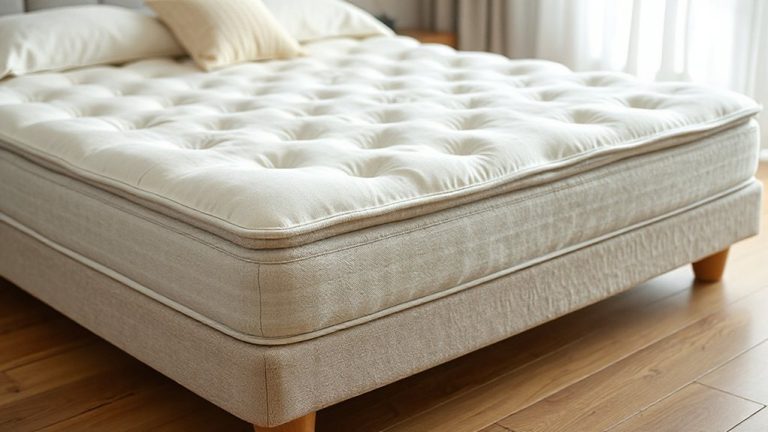
A cool, supportive sleep surface starts with the right mattress and pillow-two key elements that influence both spinal alignment and temperature regulation throughout the night. You need heat regulation to avoid waking up too warm, especially if you use magnesium, which can relax muscles and affect body temperature. Look for mattresses with gel-infused memory foam, breathable coils, or plant-based foams-they help dissipate heat. Pillows with open-cell foam or moisture-wicking covers also aid heat regulation. For spinal support, choose a mattress that contours to your body without sagging, keeping your spine neutral. Side sleepers often need softer support, while back or stomach sleepers may prefer firmer. Adjustable pillows let you fine-tune spinal support. Most quality brands offer 100-night trials and 10-year warranties, so test them risk-free.
On a final note
You can improve sleep by combining magnesium glycinate, which supports relaxation, with small changes like lowering room temperature and blocking blue light. Use warm, dim lighting before bed to signal your body it’s time to wind down. Pair this with a supportive, cooling mattress and pillow for better spinal alignment. Try these changes for at least two weeks, as results vary. Many sleep aids offer 30-day trials, so test what works without risk.