Incorporating Magnesium Into a Pre-Bedtime Snack for Sleep Enhancement
You can support better sleep by choosing a pre-bedtime snack with magnesium-rich foods like almonds, spinach, or pumpkin seeds, which help calm your nervous system. Pair them with tart cherry or a banana to boost melatonin and tryptophan effects. A small serving 30 to 60 minutes before bed aligns with your body’s natural wind-down phase. Food sources are gentle and effective, offering a balanced way to enhance rest without digestive upset. There’s more to explore about fine-tuning your choice for best results.
Notable Insights
- Choose magnesium-rich foods like pumpkin seeds, almonds, or spinach for a sleep-supportive bedtime snack.
- Pair magnesium sources with complex carbs to boost tryptophan and melatonin production.
- Combine magnesium with tart cherry or bananas for added melatonin and sleep-regulating benefits.
- Eat a small, easily digestible snack 30 to 60 minutes before bed for optimal absorption.
- Limit portions to avoid digestive discomfort while supporting relaxation and sleep onset.
Why Magnesium Promotes Better Sleep

Many people find it easier to fall asleep when their bodies have enough magnesium, since this mineral plays a key role in regulating neurotransmitters that calm the nervous system. You likely notice improved sleep because magnesium supports healthy brain chemistry, helping shift your mind from alertness to relaxation. It binds to GABA receptors, which slows nerve activity and makes winding down feel natural. At the same time, magnesium aids muscle relaxation, reducing tension that might otherwise keep you awake. If you struggle with restlessness or occasional sleeplessness, this dual effect-on both mind and body-can make a meaningful difference. It’s not a sedative, but it creates conditions your body needs to prepare for sleep. You don’t need high doses; consistent, moderate intake works best. Consider trying a magnesium supplement if dietary intake is low, especially when sleep quality feels out of balance. For those who prefer a tasty and convenient option, best magnesium gummies offer a practical way to maintain daily magnesium levels.
Best Magnesium Foods to Eat Before Bed
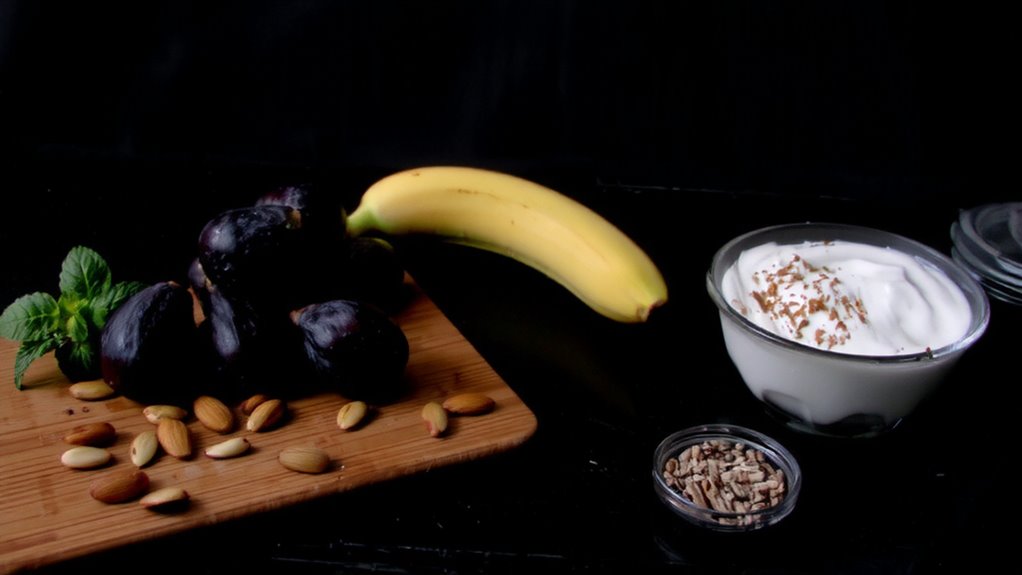
You’re already aware that magnesium helps quiet your mind and relax your muscles, setting the stage for smoother sleep onset. Choosing the right food sources before bed matters. Foods like pumpkin seeds, almonds, spinach, and black beans offer solid magnesium levels and are gentle on nighttime digestion effects when eaten in small portions. Your body absorbs magnesium best from whole foods, especially when paired with fiber-rich or healthy fat-containing options, though magnesium absorption factors like phytates in legumes can slightly reduce availability. Plain yogurt and bananas also provide usable amounts while supporting digestion. Portability and ease of portion control make almonds and pumpkin seeds practical for consistent use. Start with a small serving-about a quarter cup-to assess tolerance. These foods support sustained magnesium intake without overloading your system before sleep, helping maintain balance critical for restful nights. Incorporating foods that help you sleep into your evening routine can enhance both sleep quality and overall well-being.
Pair Magnesium With These Sleep-Boosting Nutrients
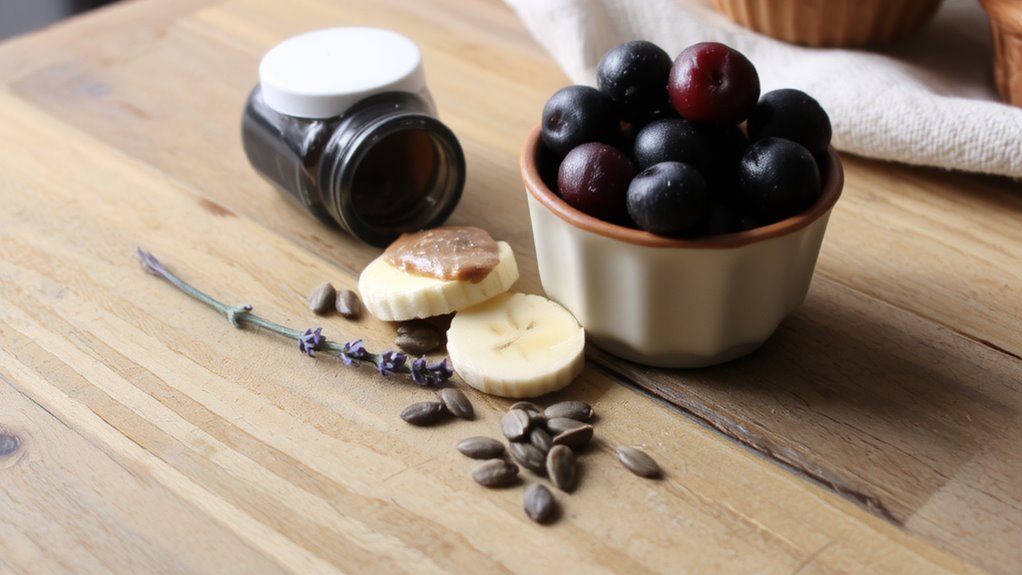
Think of magnesium as one piece of a bigger sleep-support puzzle. You can boost its effect by pairing it with other nutrients that support relaxation and sleep duration. Tart cherry is a natural source of melatonin, the hormone that regulates your sleep-wake cycle, and studies suggest it may help you fall asleep faster and stay asleep longer. Combining it with magnesium creates a more effective nighttime combo. Tryptophan, found in foods like warm milk or turkey, helps your body produce serotonin, which converts to melatonin. Pairing magnesium with complex carbs, like a small serving of whole-grain toast, can also help tryptophan reach your brain more efficiently. These pairings don’t replace professional treatment for sleep disorders, but they may support better sleep naturally, especially when used consistently as part of a calming routine. Try small changes and observe what works best for your body. For those considering supplementation, a high-quality tryptophan supplement can further support serotonin and melatonin production.
Easy Magnesium-Powered Bedtime Snacks
While winding down for the night, a small, thoughtful snack can make a difference in how well you drift off. Choosing magnesium-rich sleepy snacks helps support relaxation without triggering midnight munchies. These options are simple, nutrient-dense, and easy to prepare ahead of time.
| Snack Idea | Magnesium Source |
|---|---|
| Banana with almond butter | Banana, almonds |
| Spinach salad with chickpeas | Spinach, chickpeas |
| Whole grain toast with avocado | Whole grains, avocado |
| Greek yogurt with pumpkin seeds | Yogurt, pumpkin seeds |
Each combo pairs magnesium with other sleep-supportive nutrients. These choices satisfy hunger gently and avoid heavy digestion. When you’re looking for calmness before bed, these snacks offer practical support. Try rotating a few options to see which works best with your routine. Small changes like this can improve your nighttime experience over time.
When and How Much Magnesium to Eat at Night
How much magnesium should you aim for, and when’s the best time to include it in your evening routine? For most adults, the ideal magnesium dosage ranges from 310 to 420 mg daily, depending on age and sex, with intake near bedtime supporting relaxation and sleep onset. Taking magnesium about 30 to 60 minutes before bed aligns with magnesium absorption timing, allowing levels to peak when your body begins winding down. This window enhances its calming effect on the nervous system without interfering with digestion. You don’t need to take it every night, but consistency can improve sleep quality over time. Doses above the recommended amount may cause digestive discomfort, so staying within guidelines is key. Adjust based on how you feel-some notice benefits quickly, others need a few weeks. Consider your overall diet and routine when deciding frequency and timing.
Magnesium From Food Vs. Supplements: What’s Better for Sleep?
Since magnesium plays a key role in regulating sleep, getting it from food or supplements can both support your nightly routine, but each option has trade-offs to weigh. Foods like spinach, pumpkin seeds, and black beans offer magnesium along with fiber and nutrients that support overall health. Magnesium absorption from food is generally efficient and comes with fewer risks of excess intake. Supplements can help if you struggle to get enough from diet alone, but you’ll want to weigh supplement safety-some forms cause digestive discomfort or interact with medications. Forms like magnesium glycinate are often preferred for sleep due to better absorption and gentler effects. While both sources can aid sleep quality, starting with food sources reduces risk and supports long-term balance. If you try supplements, begin with the lowest effective dose and consult a healthcare provider, especially with existing sleep disorders or concerns.
On a final note
You can support better sleep by adding magnesium-rich foods to your evening routine. Pair them with nutrients like complex carbs or tryptophan for stronger effects. Whole foods offer added benefits over supplements, though both can help if dietary intake is low. Start with small snacks, see how you respond, and adjust timing or portions as needed. Consistency matters most when aiming for improved sleep quality through diet.