How to Maintain Social Life With Advanced Sleep Phase Disorder
You’re not lazy-your body clock just runs early, making late nights tough. Shift plans to 5–7 p.m. for dinners or walks when you’re still alert. Get 30–45 minutes of morning light, ideally from a 10,000-lux therapy lamp, to gently delay your cycle. Be honest about your needs upfront and suggest brunches or afternoon coffee instead. Matching social time to your energy peaks makes outings easier to keep. There’s more to explore about adjusting your rhythm with proven daily habits.
Notable Insights
- Prioritize early evening social plans, ideally between 5 and 7 p.m., to align with natural energy peaks.
- Use morning bright light exposure, including light therapy, to gradually shift your circadian rhythm later.
- Communicate your sleep needs clearly and proactively to friends to foster understanding and inclusion.
- Suggest alternative daytime activities like brunch, hikes, or afternoon coffee to match your alertness windows.
- Host early gatherings to normalize earlier social timing and make participation sustainable long-term.
Why ASPD Makes Late-Night Plans Impossible
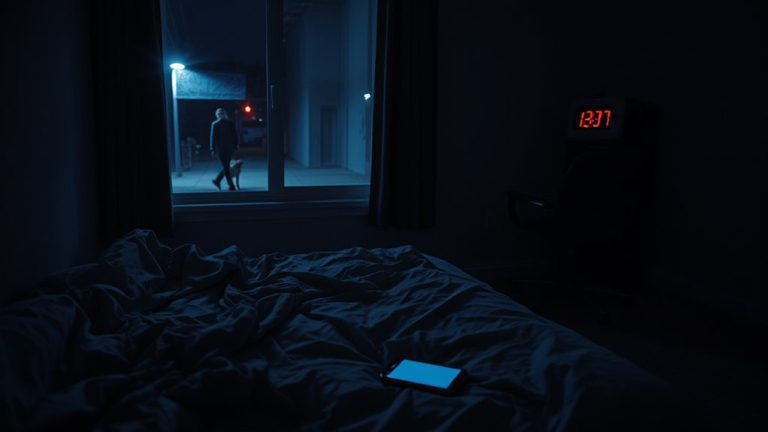
Ever wonder why staying out past 9 p.m. feels like climbing a mountain when you have Advanced Sleep Phase Disorder (ASPD)? Your internal clock shifts early, making you tired by 7 or 8 p.m., even if you want to stay up. This is caused by a circadian mismatch-your body’s rhythm runs hours ahead of typical social schedules. By late evening, most people are still active, but you’re facing severe energy depletion, making conversation, laughter, or focus feel exhausting. Your sleep drive peaks early, and fighting it only worsens next-day alertness. Recognizing this misalignment helps explain why late plans aren’t lazy or antisocial-they’re biologically impractical. Treatments like morning light therapy or low-dose melatonin may adjust your rhythm over time, but results vary. Some find prescription timing aids helpful, though side effects and trial periods differ. Understanding your body’s signals allows smarter choices about when to schedule activities-and when to prioritize rest.
Move Social Events to Early Evenings
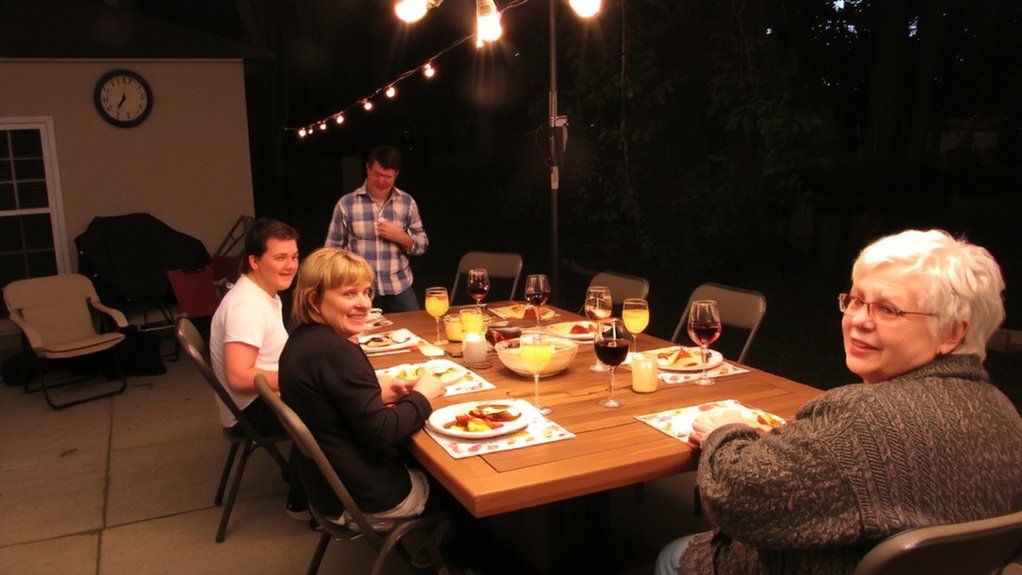
Because your body naturally winds down earlier with Advanced Sleep Phase Disorder, planning social activities in the early evening-say, 5 to 7 p.m.-can align better with your energy levels while still allowing meaningful connection. You’ll find early dinners are more than just meals; they’re chances to catch up with friends while you’re still alert. Sunset gatherings, like backyard chats or park strolls, use natural light to your advantage and end before fatigue sets in. These events don’t need to replace late plans-they offer a realistic alternative that fits your rhythm. By shifting get-togethers earlier, you maintain relationships without pushing your body too hard. Host invitations that suggest 6 p.m. start times, so others adapt too. It’s not about missing out-it’s choosing times when you’re at your best. Planning ahead makes consistency easier, helping you stay social without sacrificing sleep quality or health.
Sync Your Body Clock With Morning Light
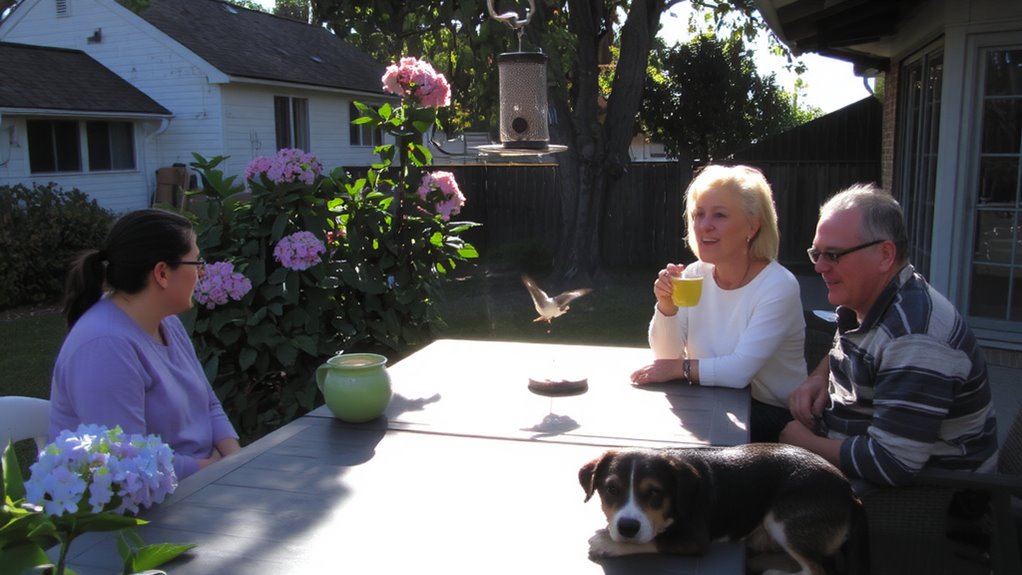
How might you reset your internal clock when it’s running too far ahead? Exposure to bright morning light can help trigger a circadian reset, delaying your sleep cycle just enough to align better with social hours. Your body responds to light as a signal for wakefulness, so sitting by a sunny window or using a light therapy box for 30 to 45 minutes soon after waking boosts alertness and shifts your rhythm later. Light therapy devices typically emit 10,000 lux of cool-white light and should be used consistently each morning. Position the lamp at about 16 to 24 inches from your face, angled slightly away to reduce glare. Though results vary, most people notice changes within a week or two. For best outcomes, combine this practice with avoiding bright light in the evening. It’s a gentle, non-invasive method that supports natural timing adjustments over time.
Talk Honestly About Your Sleep Needs
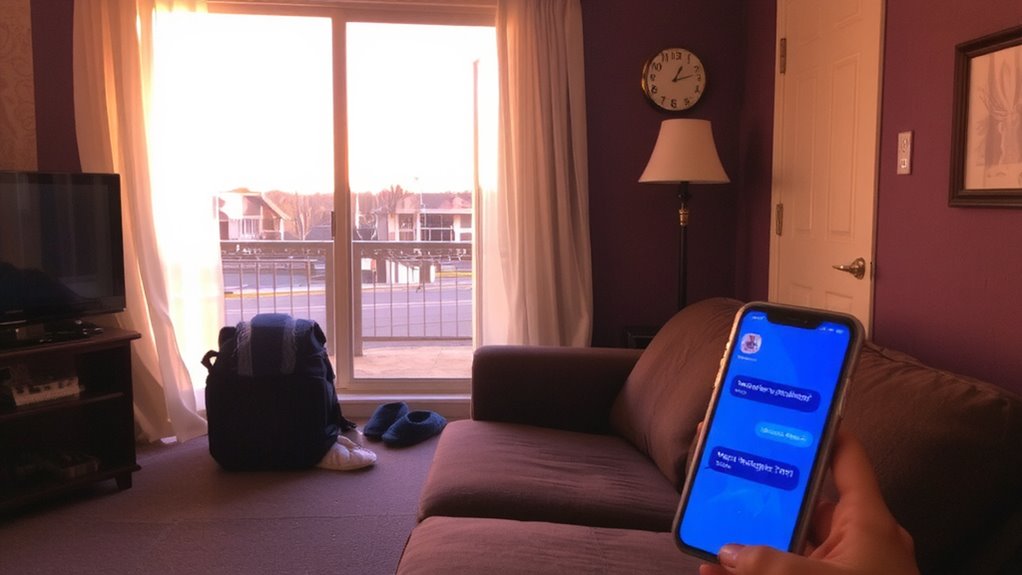
Managing your schedule with morning light helps shift your internal clock, but getting the support you need socially starts with clear communication. You’ll need sleep honesty-being upfront about your early sleep needs-so others understand your limits. Explain gently that it’s not personal; your body simply runs on a different rhythm. Timing matters: share this info before plans are set, not at the last minute. That’s communication timing-giving people time to adjust. Offer alternatives, like meeting earlier in the day. Most will respect your boundaries if you’re consistent and kind. Sleep honesty isn’t about excuses-it’s about planning ahead, respecting your health, and letting friendships adapt. When you communicate clearly, you reduce awkwardness and build trust. It’s a practical step, not a negotiation. Try it early, stick with it, and watch relationships grow stronger through understanding.
Match Activities to Your Energy Highs
Often, your best moments happen earlier in the day, so planning social activities during your energy highs makes gatherings more enjoyable and sustainable. You’ll find that aligning leisure timing with your natural rhythm helps you engage more fully and with less fatigue. For effective event planning, choose morning or early afternoon meetups-like brunch with friends or a daytime hike-when your focus and mood are at their peak. This doesn’t mean avoiding evening plans entirely, but scheduling them less frequently or for lower-intensity activities can help manage energy. Matching events to your body’s output improves participation without disrupting sleep. It also reduces reliance on sleep aids, which may interfere with natural cycles over time. By observing your daily energy patterns, you can make informed choices about when to prioritize socializing and how to balance it with rest.
Stick to a Socially-Friendly Routine
While your body’s clock shifts earlier with advanced sleep phase disorder, you can still build a routine that works for both your sleep needs and social life. Plan activities around your natural rhythm, but adjust slightly to stay connected. Schedule early dinners with friends instead of late-night outings-this keeps you social without pushing your energy limits. Coffee meetups in the late afternoon can replace evening drinks, helping you stay engaged when others are active. Stick to consistent wake and sleep times, even on weekends, to stabilize your internal clock. Use light therapy in the evening if needed, under medical guidance, to gently delay your cycle. Track how small delays in bedtime affect your mood and alertness. Over time, a balanced routine can support healthier sleep and meaningful connections without burnout.
On a final note
You can keep your social life vibrant with advanced sleep phase disorder by adjusting timing and communication. Shift gatherings to early evenings, match activities to your peak energy, and talk openly about your needs. Use morning light to help regulate your rhythm, and stick to a consistent routine that supports both sleep and connection. Small changes improve balance without sacrificing health or relationships.