How to Use Binaural Beats at 2 Hz to Enhance Deep Sleep and Tissue Regeneration
Use 2 Hz binaural beats with headphones to help your brain sync into deep sleep frequencies, where tissue repair and recovery happen. Play the beats at low volume during a 30- to 60-minute wind-down routine each night. Pair this with reduced screen time and a consistent bedtime for best results. Over-ear, wired headphones with good noise isolation improve effectiveness. While not a fix for sleep disorders, regular use may support better sleep quality-especially when combined with healthy habits. Choosing high-quality audio tracks could enhance comfort and consistency over time, improving your overall experience the longer you use them.
Notable Insights
- Use 2 Hz binaural beats during a 30- to 60-minute pre-sleep routine to support brainwave entrainment and deep sleep onset.
- Pair beats with over-ear, noise-isolating headphones for optimal low-frequency delivery and comfort while lying down.
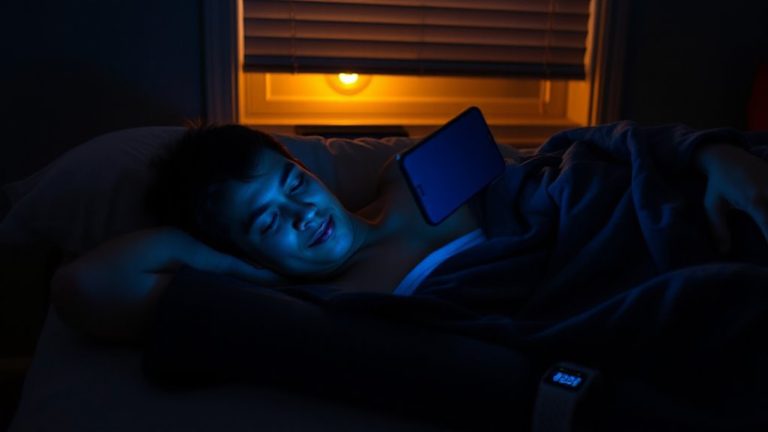
- Maintain consistent bedtime habits and reduce screen exposure to enhance the effectiveness of 2 Hz binaural beats.
- Deep sleep promoted by 2 Hz beats supports tissue regeneration, cellular repair, and immune system function.
- Limit nightly use to 30–60 minutes at low volume, and consult a healthcare provider if sleep issues persist.
How 2 Hz Binaural Beats Work for Sleep
While your brain naturally shifts into slower wave patterns as you fall asleep, listening to binaural beats at 2 Hz may help guide that shift more smoothly. This frequency falls within the deep sleep, or delta wave, range, where brainwave entrainment plays a key role. When you use headphones to hear two slightly different tones-one in each ear-your brain perceives a 2 Hz beat, encouraging neural synchronization. This process may support more stable, uninterrupted sleep onset. Unlike sleep medications, binaural beats are non-invasive and don’t require a prescription. Many apps and audio tracks offer 2 Hz options, often with soothing background sounds. Most provide free trials, so you can test effectiveness before buying. While results vary, consistent use during bedtime routines shows better outcomes. Consider trying binaural beats if you struggle with falling asleep but discuss persistent issues with a healthcare provider.
Why Deep Sleep Heals Your Body
Because your body repairs itself most effectively during deep sleep, getting enough of this restorative stage matters for long-term health. This phase, part of your sleep cycle, supports critical processes like cellular repair and immune function. While you’re in deep sleep, your brain slows down, and your body prioritizes physical restoration over mental activity. Hormones regulating growth and healing are released, helping muscles, tissues, and organs recover from daily wear.
| Sleep Stage | Role in Healing | Time in Cycle |
|---|---|---|
| Light Sleep | Prepares body for deep rest | 5–10 min |
| Deep Sleep | Triggers cellular repair | 20–40 min |
| REM Sleep | Supports memory | 10–60 min |
| Wake | N/A | Brief moments |
| Shift | Moves through stages | Varies |
Prioritizing deep sleep improves recovery and resilience, especially if you’re managing fatigue or recovery needs.
How to Use 2 Hz Beats for Deeper Sleep
When you’re looking to improve your sleep quality, using 2 Hz binaural beats may help guide your brain into the deep sleep stage where healing occurs. This frequency supports brainwave entrainment, gently syncing your brainwaves to match the 2 Hz rhythm, which mirrors those found during deep sleep. By listening before bed, you encourage a smoother shift into restorative sleep cycles. Use them consistently for best results-ideally during a 30- to 60-minute wind-down routine. While they aren’t a standalone fix for sleep disorders, they can complement other sleep aids and healthy habits like consistent bedtimes and screen reduction. Research suggests benefits vary, so try them for several nights to assess impact. They work best when integrated into a broader approach to sleep health. Some apps offer free trials, so test different options before committing.
Best Headphones and Settings for 2 Hz Beats
A good pair of headphones matters for getting the most out of 2 Hz binaural beats, since they rely on precise sound delivery to each ear. You’ll want models that offer strong audio quality, ensuring the slight frequency differences between ears aren’t distorted. Over-ear, noise-isolating headphones are ideal-they seal out disruptions and deliver consistent low-frequency response. Comfort is key, especially if you’re using them nightly, so look for padded ear cups and adjustable headbands. Lightweight designs reduce pressure when lying down. Wired headphones often provide more stable playback than wireless, avoiding signal lag that could disrupt the beat. Try models with a flat frequency range and good reviews for sleep use. Many brands offer trial periods, so you can test audio quality and headphone comfort risk-free before committing.
Pair 2 Hz Beats With a Bedtime Routine
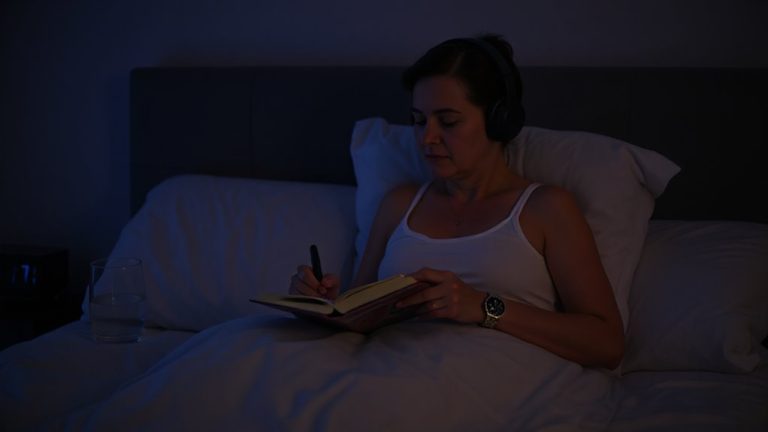
You’ve picked out a solid pair of over-ear headphones with good low-end response and comfort for lying down, so now it’s time to fit the 2 Hz binaural beats into a consistent bedtime routine. Start by playing the beats 30–45 minutes before lights out, pairing them with calming bedtime rituals like dimming lights, reading, or light stretching. This strengthens your body’s signal that sleep is coming. Good sleep hygiene means minimizing disruptions-keep screens off and the room cool and quiet. Let the beats run on a timer so they turn off automatically. Over time, this routine trains your brain to wind down more smoothly. You might notice deeper relaxation or improved morning alertness, though results can vary. Use this method regularly for a few weeks to fairly assess its effect. Consistency matters more than intensity when shaping lasting sleep patterns.
Stay Safe Using 2 Hz Beats Long-Term
Most people find 2 Hz binaural beats safe for regular use, but it’s smart to stay informed about long-term habits. You should consider long term safety by limiting sessions to 30–60 minutes nightly, especially when using headphones. This helps prevent hearing fatigue, which can happen if volume is too high or use is too frequent. Keep the volume low-just loud enough to perceive the beat-so you don’t strain your ears. If you have a history of sleep disorders or auditory sensitivity, check with a healthcare provider before making binaural beats a nightly sleep aid. While many report improved deep sleep and recovery, consistent monitoring of your response guarantees you’re benefiting without risk. Regular breaks, like skipping a few nights weekly, may reduce adaptation and maintain effectiveness. Using high-quality audio tracks also supports reliable performance and comfort over time.
On a final note
You can use 2 Hz binaural beats to support deep sleep, which helps your body repair tissues and restore energy. These beats work best with headphones that deliver consistent sound. Pair them with a calm bedtime routine for better results. While they’re safe for most people, check with a doctor if you have a sleep disorder or use other sleep aids. Try them for a few nights and see how well you rest before making long-term choices.