The Science of Sleep Talking in Relation to Personality Traits
You might talk in your sleep more often if you’re an extrovert, as research links higher vocal intensity during sleep to outgoing personalities. Sleep talking usually happens during shifts between sleep stages and can reflect subconscious thoughts or daily stress. While it’s typically harmless, frequent episodes may signal poor sleep quality or emotional strain. Monitoring patterns could help improve rest and spot underlying issues-there’s more to discover about what your nighttime words reveal.
Notable Insights
- Sleep talking, or somniloquy, occurs during sleep stage transitions and is not directly linked to core personality traits.
- Subconscious thoughts and emotional states from waking life may influence nighttime speech content.
- Extroverts tend to speak louder and more emotionally during sleep, aligning with their social waking behavior.
- Introverts usually mumble softly and infrequently, reflecting their quieter, more reserved personality traits.
- Stress and emotional triggers can increase sleep talking, potentially revealing underlying personality-related coping patterns.
What Is Sleep Talking: And Why It Happens?
Sleep talking, also called somniloquy, is when you speak during sleep without being aware of it. It often happens during shifts between sleep stages, particularly during sleep onset or in deep non-REM cycles. You might mumble, whisper, or utter full phrases, but it’s usually brief and harmless. While occasional sleep talking is normal, frequent episodes can be linked to other sleep disorders like sleep apnea or insomnia. Stress, fever, and genetics can also play a role. If you’re concerned, tracking your sleep patterns helps determine if it’s isolated or part of a larger issue. Over-the-counter sleep aids typically don’t target sleep talking directly, and most people don’t need treatment. However, if you suspect an underlying condition, consulting a sleep specialist is practical. Polysomnography, a common diagnostic test, evaluates brain activity and can assess for associated sleep disorders.
How Sleep Talking Reveals Personality Traits
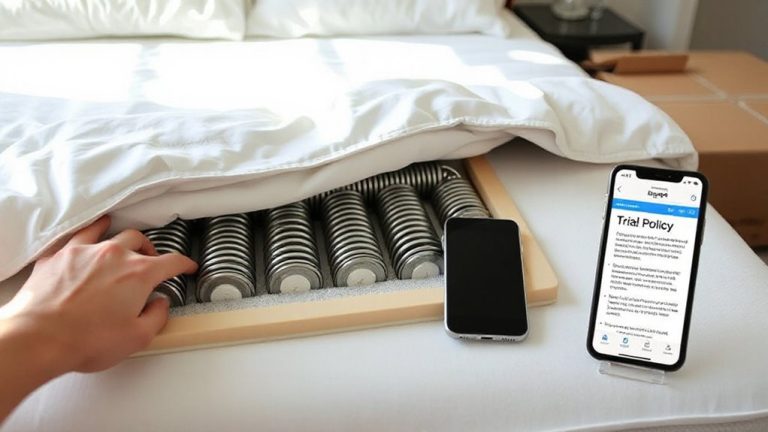
While science hasn’t confirmed a direct link between sleep talking and core personality traits, patterns in your nighttime speech might reflect subconscious thoughts or emotional states shaped by your waking mindset. Your dream content often influences what you say, revealing fragments of daily concerns, memories, or unresolved situations. The vocal tone you use while asleep-whether tense, calm, or agitated-can mirror your emotional tendencies when awake. These cues don’t diagnose personality, but they may highlight recurring stressors or thought patterns worth exploring. If frequent sleep talking disrupts your rest, consider tracking episodes alongside stress levels or sleep quality. Some find relief through consistent bedtime routines or using white noise machines. Natural sleep aids like melatonin may help regulate sleep cycles, though consulting a specialist is wise if disturbances persist. Always review product trial periods and warranties when trying new sleep solutions.
What Your Sleep Words Say About Your Waking Self
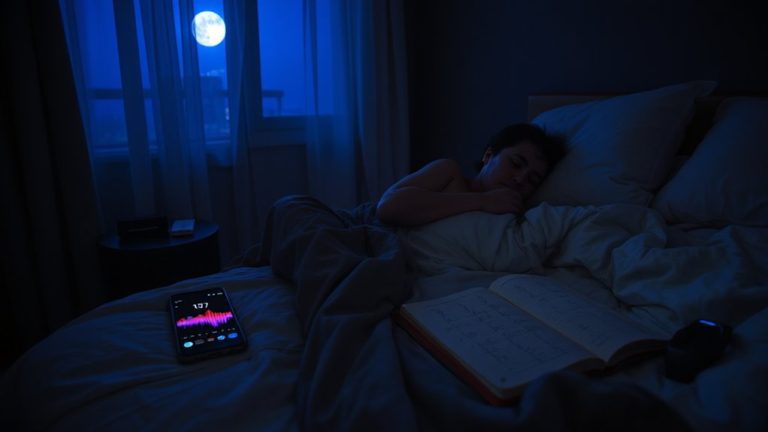
What if the words you mutter in the dark reveal more than just random dreams? Your nighttime mutterings might actually reflect your waking thoughts and emotions. Through dream analysis and observing subconscious behavior, researchers find links between sleep talking and daily stress, unresolved concerns, or even communication habits. You might replay conversations or voice hidden worries, offering clues about your mental state. These patterns can help identify underlying sleep disruptions or emotional strains. If sleep talking occurs frequently, consider tracking it alongside sleep quality, as it may signal poor sleep hygiene or disorders like sleep apnea. While most cases need no treatment, persistent episodes warrant evaluation. Simple adjustments-consistent sleep schedules, reduced screen time, or relaxation techniques-can help. Some find relief with white noise machines or sleep aids, though consult a provider before use. Warranties and trial periods on sleep tech allow risk-free testing.
Do Introverts and Extroverts Sleep Talk Differently?
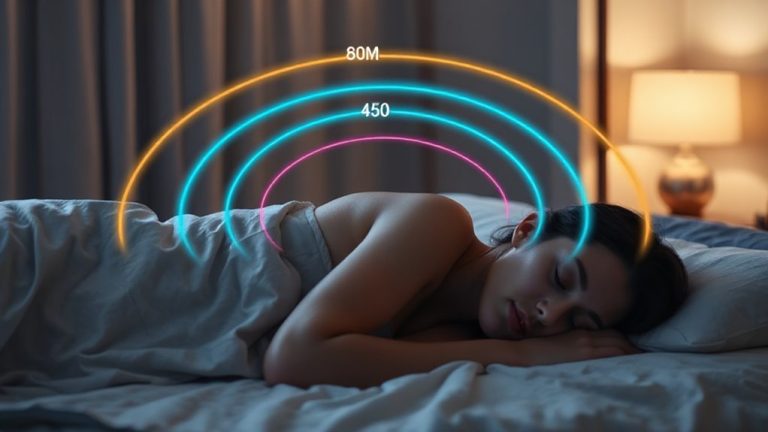
Could the quiet moments of your sleep reveal something about how you engage with the world when awake? Research suggests introverts and extroverts do show differences in sleep talking. While both types experience similar sleep patterns, extroverts often display higher vocal intensity during episodes, speaking louder or with more emotion. Introverts tend to mumble briefly, if at all, with softer, less frequent utterances. These distinctions don’t indicate disorder but reflect waking behavior-extroverts process socially, even in sleep. If sleep talking disrupts your rest, consider tracking episodes to identify triggers. Basic audio recordings can help assess vocal intensity and frequency. For occasional talking, no treatment is needed. But if disturbances grow, consult a sleep specialist. Some find relief with white noise machines or improved sleep hygiene. Products with sleep tracking features may offer insights, often backed by 30-day trial periods and limited warranties for consumer confidence.
How Stress Fuels Sleep Talking
Since stress affects your nervous system, it can trigger or worsen sleep talking by disrupting normal sleep cycles. When you’re under pressure, emotional triggers build up and carry into your sleep, making your brain more active during rest. This activity often leads to sleep disruptions, where your body doesn’t move smoothly through sleep stages. As a result, you’re more likely to talk in your sleep, especially during lighter or fragmented sleep. Daily stressors-like work, relationships, or financial concerns-can intensify these patterns over time. Managing stress through routines like mindfulness, consistent bedtimes, or relaxation techniques may reduce both emotional triggers and sleep disruptions. If sleep talking persists, consider tracking sleep patterns or consulting a specialist. Some find relief with white noise machines or breathable bedding to improve overall sleep quality. A trial of stress-reducing strategies, combined with sleep aids backed by warranties or clinical testing, might help restore balance. For improved sound masking during sleep, consider trying one of the best white noise machines for better sleep, such as those with adjustable sound settings.
When to Worry About Sleep Talking
You’ve likely noticed that stress can set the stage for sleep talking, especially when daily pressures spill into your nighttime routine. While occasional sleep talking is usually harmless, frequent or intense episodes might signal underlying sleep disorders, like sleep apnea or REM behavior disorder. If your sleep talking includes screaming, violent movements, or happens alongside chronic fatigue, it’s worth discussing with a doctor. These signs can sometimes link to mental health concerns, especially if you’re also dealing with anxiety or depression. Disrupted sleep patterns may worsen these issues over time. Consider tracking your sleep habits or using a sleep diary to identify triggers. Some people benefit from sleep aids or therapy, especially if insomnia or stress is involved. Most over-the-counter options are safe for short-term use, but always check with a professional before starting any treatment.
On a final note
You might talk in your sleep due to stress, genetics, or sleep disruptions, and it can subtly reflect traits like anxiety or sociability. While usually harmless, frequent episodes may signal poor sleep quality or underlying conditions. Consider tracking patterns and improving sleep hygiene-consistent schedules, reduced screen time, calming routines. If talking increases or includes movement, consult a specialist. Some find relief with breathable fabrics, white noise machines, or supplements like magnesium, often backed by 30-day trials.