How to Use Scheduled Evening Naps to Prevent Early Sleepiness
Take a 20- to 30-minute nap between 4:00 and 6:00 p.m. to reset your energy and prevent early sleepiness. Keep it short and early so it doesn’t interfere with nighttime sleep. Make it a daily habit, ideally before 8 p.m., in a quiet, dark space. Avoid caffeine and screens beforehand. This approach may reduce your need for sleep aids while maintaining healthy sleep pressure-there’s more to contemplate for long-term success.
Notable Insights
- Schedule a 20- to 30-minute nap between 4:00 and 6:00 p.m. to combat early evening sleepiness.
- End your nap by 7:00 p.m. to avoid interfering with nighttime sleep onset.
- Maintain a consistent nap time daily, even on weekends, to regulate your body’s rhythm.
- Create a restful environment with darkness, quiet, and cool temperatures for effective napping.
- Avoid caffeine and screens 30 minutes before napping to ensure quicker, higher-quality rest.
Stop Fighting Tiredness: Try an Evening Nap
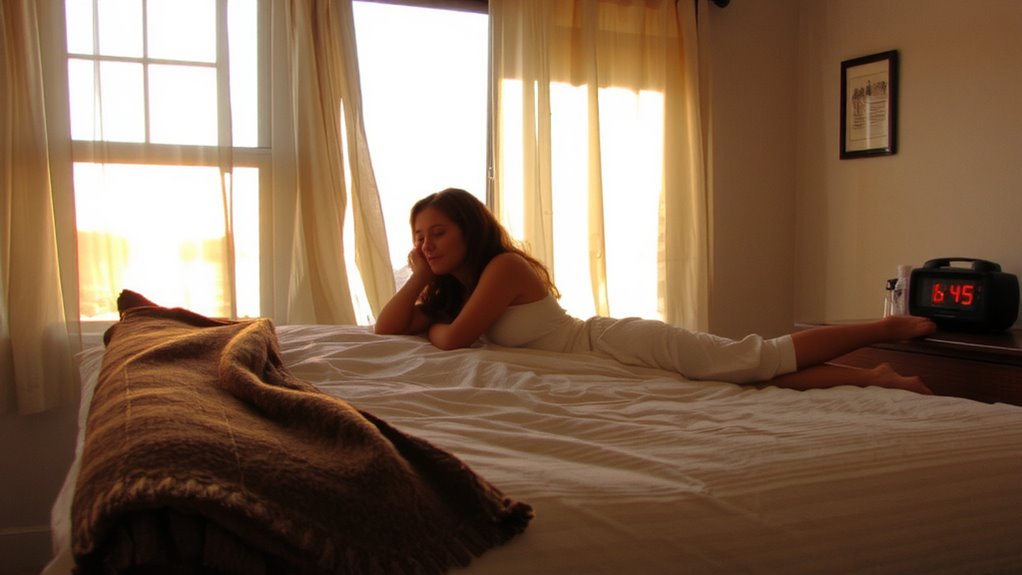
While you might feel tempted to push through that mid-evening slump with coffee or screen time, giving in to tiredness with a planned nap could actually help regulate your energy levels later in the night. Letting yourself power down for just 20 to 30 minutes can prevent grogginess without disrupting nighttime sleep. This short rest acts like a reset, letting your brain clear mental fog so you stay alert longer. Think of it as recharging later-by napping early, you’re not skipping sleep, just rescheduling a portion of it. The key is keeping it brief and timed before 8 p.m. A well-placed nap may reduce reliance on caffeine or sleep aids, offering a natural way to manage fatigue. It won’t cure sleep disorders, but it can support better habits. Try it for a few days to see how your body responds.
Best Time to Nap Without Wrecking Sleep
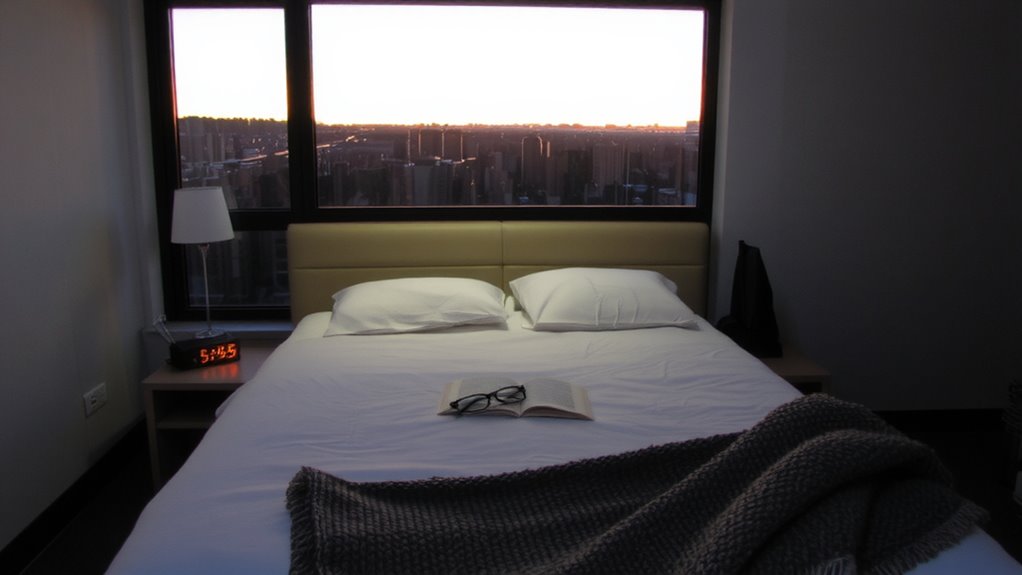
When should you nap to stay alert without hurting your sleep? The key is nap timing. For most, the best window is between 4:00 and 6:00 p.m. Napping after dinner, especially past 7:00 p.m., can delay bedtime and disrupt your sleep cycle. You want to recharge without triggering sleep inertia-the groggy feeling that lingers after waking. Early evening naps let your body clear sleep pressure but still allow enough time to rebuild it before bed. Aim to finish your nap at least three hours before your target bedtime. That balance helps maintain nighttime sleep quality while fighting early sleepiness. Everyone’s rhythm varies, so try a few timings over a week. Track how you feel upon waking and at bedtime. Small adjustments make a real difference in energy and rest.
How Long to Nap for Evening Energy
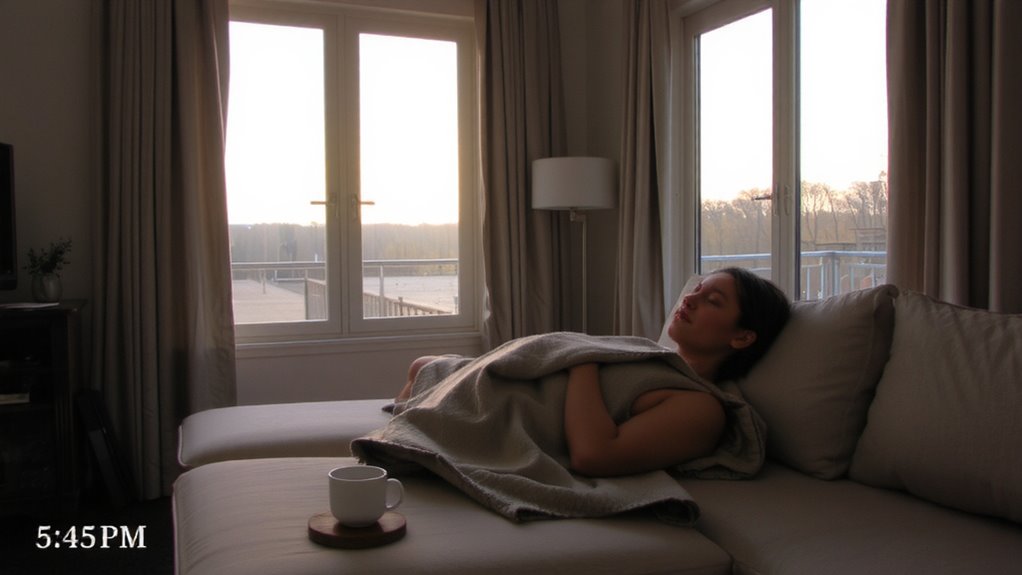
A 20- to 30-minute nap is usually enough to boost evening alertness without leaving you groggy. This nap duration strikes a balance between delivering an energy boost and avoiding deep sleep stages that can cause sleep inertia. If you nap longer than 30 minutes, you might enter slow-wave sleep, making it harder to wake up and feel refreshed. For most people, a short evening nap fits well into the schedule and supports sustained focus without interfering with nighttime sleep. You’ll likely notice the energy boost within minutes of waking, especially if you keep the nap consistent. Stick to this ideal nap duration to maximize benefits while minimizing drawbacks. It’s a simple, effective way to manage early sleepiness. Always assess how you feel afterward-adjusting by just a few minutes can improve results. Trial and observation help determine your best timing.
Build Your Evening Nap Habit
The key to building a reliable evening nap habit lies in consistency and timing, so start by choosing a fixed time each day-ideally between 4:00 and 5:00 p.m.-to signal to your body that rest is coming. Stick to a consistent routine, even on weekends, to reinforce your internal clock and improve alertness later in the evening. Make your nap environment quiet, dark, and cool, using tools like eye masks or white noise apps if needed. A comfortable chair or couch can support relaxation without pulling you into deep sleep. Limit distractions by silencing your phone and letting household members know your schedule. Over time, this predictable pattern helps regulate sleep pressure, making it easier to stay awake until bedtime. Trial the habit for at least two weeks to assess its effect on your energy and evening focus, adjusting only one variable at a time for accurate evaluation.
Fix Common Evening Nap Problems
Though you’ve set a consistent nap time and created the right environment, you might still struggle with falling asleep too quickly or oversleeping, which can disrupt your nightly rest. To fix this, maintain nap consistency by napping at the same time daily, even on weekends, helping your body adjust naturally. If you’re having trouble winding down, check your nap environment-ensure the room is dark, quiet, and cool, and consider using white noise or an eye mask. Limit naps to 20–30 minutes to avoid sleep inertia. Avoid caffeine or screens 30 minutes before your nap. If problems persist, track your sleep patterns for a week to identify triggers. Some find mild sleep aids helpful, but consult a professional before use. Small adjustments improve performance and comfort, supporting long-term energy without replacing nighttime recovery.
On a final note
You can use a short evening nap to manage early sleepiness without disrupting nighttime rest. Aim to nap 3–4 hours before bedtime, keeping it under 30 minutes to avoid grogginess. This approach supports alertness and may reduce reliance on sleep aids. If you have ongoing sleep issues, track patterns and consult a professional. Consistency matters-trial this method for a week, then adjust based on energy and sleep quality.