How to Adjust Sleep Schedules Before Starting a New Job With Delayed Sleep Phase Disorder
Start adjusting your sleep schedule 2–3 weeks before work begins, shifting bedtime and wake time in 15-minute increments every few days. Keep wake times consistent, even on weekends, to avoid phase delays. Use morning light exposure near a window or a 10,000-lux lamp to reset your internal clock. Take 0.5–1 mg of melatonin 5 hours before your target bedtime to support earlier sleep onset. Keep your bedroom cool, dark, and screen-free. Limit blue light at night with filters or amber glasses to aid phase advance. Avoid long weekend oversleep and rely on routines, not unproven aids. Track your progress to identify what works best-small adjustments can add up over time.
Notable Insights
- Gradually shift bedtime and wake time by 15 minutes every few days, starting 2–3 weeks before the job begins.
- Expose yourself to bright morning light or use a 10,000-lux light therapy lamp within one hour of waking daily.
- Take low-dose melatonin (0.5–1 mg) 5 hours before desired bedtime to help reset your internal clock.
- Maintain consistent sleep and wake times every day, avoiding weekend oversleeping to prevent phase delays.
- Optimize your sleep environment with cool temperatures, blackout curtains, and minimal light or noise disruptions.
Start Shifting Your Sleep Schedule 2–3 Weeks Before Work
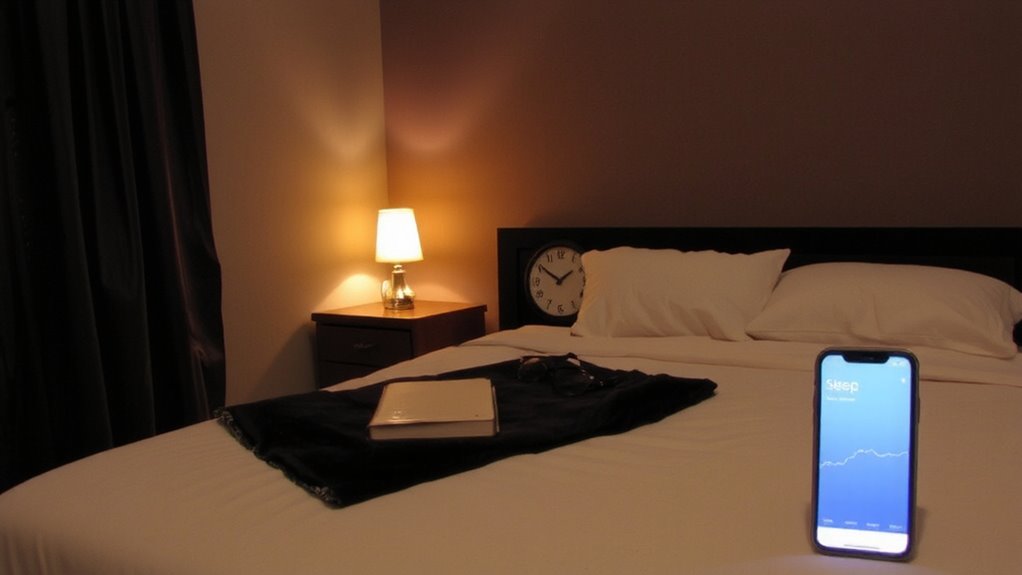
A gradual shift over 2–3 weeks can make a big difference if you’re trying to adjust your sleep schedule before the workweek starts. You likely experience chronotype mismatch, where your natural sleep rhythm conflicts with job demands. By moving bedtime and wake time earlier in 15-minute increments every few days, your body adapts more smoothly. This slow change helps reduce sleep debt accumulation, which worsens fatigue and focus. Aim to set consistent bed and wake times, even on weekends, to stabilize your internal clock. Avoid screens before bed, since blue light delays melatonin release. If needed, short-term use of melatonin supplements (0.5–3 mg) taken 1–2 hours before target bedtime may support timing adjustments. Always check with a doctor before starting sleep aids. Tracking sleep patterns with a journal or wearable can clarify progress and guide changes. Consistency improves results over time.
Use Morning Light to Reset Your Internal Clock
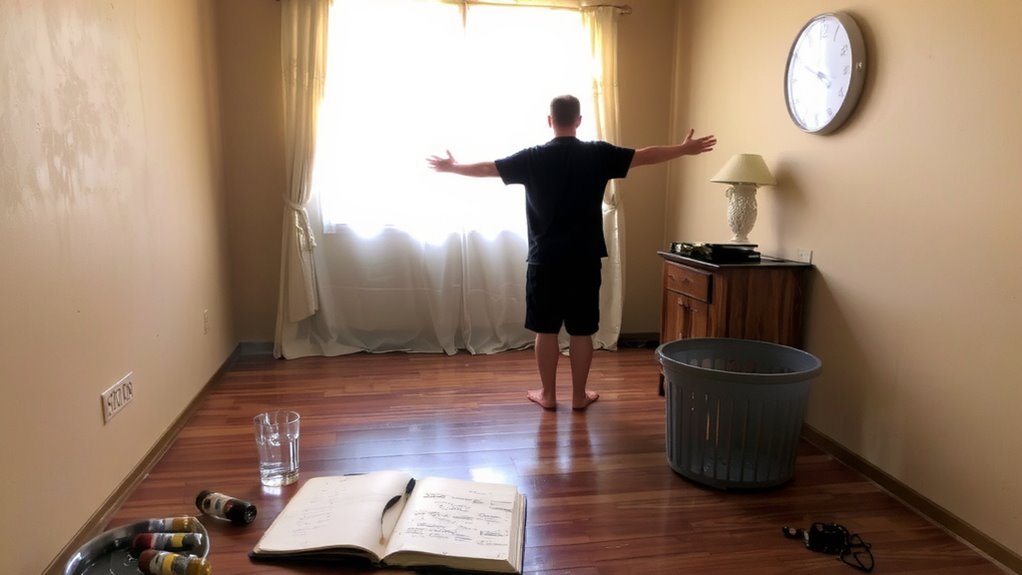
Why does stepping into morning light make such a difference for your sleep timing? Because morning light acts as a natural signal for circadian entrainment, helping shift your internal clock earlier. When you expose yourself to bright light soon after waking, especially sunlight or a light therapy lamp, your brain reduces melatonin production and boosts alertness. This daily cue strengthens your body’s sleep-wake rhythm. For best results, spend at least 20–30 minutes near a window or outside within an hour of waking. Light therapy boxes (with 10,000 lux) can be useful if natural light isn’t available. Consistency matters-using morning light at the same time each day improves effectiveness. Over time, you’ll notice improved sleep onset at earlier hours. This method supports gradual, sustainable adjustment without medication.
Take Melatonin 5 Hours Before Target Bedtime

Taking melatonin about 5 hours before your target bedtime can help shift your sleep schedule earlier, especially with delayed sleep phase disorder. This melatonin timing supports a gradual phase advance, aligning your internal clock with your desired sleep window. Your body responds to melatonin as a darkness signal, so taking it at this interval gently encourages earlier sleep onset. Start with a low dose-usually 0.5 to 1 mg-to reduce grogginess and side effects. Consistency matters: take it at the same time each evening for several days to see results. Don’t use it indefinitely; short-term use of two to six weeks is typical. Pair this strategy with morning light exposure for better synchronization. While melatonin is available over the counter, talk to your doctor if you have health concerns or take other medications. Results vary, so track your sleep to assess improvement. For optimal results, consider using a top-rated melatonin supplement that combines effective formulation with consistent dosage accuracy.
Create a Dark, Cool Bedroom to Signal Sleep
You’ve already started shifting your internal clock with well-timed melatonin, and now it’s time to shape your sleep environment to reinforce that change. A well-designed bedroom promotes sleep by reducing stimulation. For effective bedroom design, keep lighting low in the evening and use blackout curtains to block outside light. Even small glows from electronics can disrupt melatonin production, so consider covering or removing them. Aim for a cool temperature between 60–67°F (15–19°C), as cooler air supports natural sleep onset. Use breathable bedding and fans or AC if needed. A consistent sleep environment cues your brain that it’s time to wind down. These features work together to signal safety and rest. You don’t need expensive gear-simple, adjustable solutions often work best. Test changes over several nights to see what improves your sleep continuity and comfort. Adding a humidifier can also soothe nasal passages and improve breathing, especially with best humidifiers for a clear night’s sleep.
Skip These DSPD Reset Mistakes
What could derail your progress when resetting a delayed sleep schedule? Skipping these common DSPD reset mistakes helps you stay on track. Don’t ignore sleep inertia-rushing out of bed when groggy can worsen alertness and delay adaptation. Give yourself time to wake gently, ideally with natural light or a sunrise simulator. Avoid inconsistent bedtimes, which deepen social jetlag and make weekday shifts harder. You’ll reduce strain by aligning your sleep rhythm gradually, not abruptly. Don’t rely on sleep aids without discussing them with a doctor-they may disrupt long-term progress. Limit weekend oversleeping, since it pulls you back into delay. Stay patient; resetting your clock takes weeks, not days. Small, consistent choices beat dramatic changes. Watch how light exposure, timing, and routine affect your energy. Tracking patterns helps you adjust wisely and avoid setbacks. A well-chosen wake-up light can enhance morning alertness and support circadian alignment, especially one designed with gradual light progression and intensity control features found in the best wake-up lights.
Keep the Same Wake-Up Time Every Day
Even if your sleep feels off-kilter at first, sticking to the same wake-up time every day-even on weekends-can stabilize your internal clock more effectively than trying to catch up on lost sleep. Consistent wake times train your body’s rhythm, making it easier to fall asleep earlier over time. When you wake at the same time daily, you build daily routine stability, which supports gradual phase adjustment. This consistency strengthens circadian cues, especially when paired with morning light exposure. You might feel tired initially, but pushing through helps reset your system. Avoid sleeping in, even after poor nights-doing so disrupts progress. Think of it like setting a reliable alarm your body learns to trust. Over days, this approach improves sleep onset timing without needing medications or supplements. It’s simple, requires no tools, and works best when maintained without exceptions. Your schedule shift begins with this one predictable anchor each morning.
Block Blue Light at Night to Support Phase Advance
Because blue light can delay melatonin release and push your sleep time later, cutting off exposure in the evening helps shift your internal clock earlier. Your devices emit a lot of blue light, which tricks your brain into thinking it’s still daytime. To reduce this effect, use a screen filter on your phone, tablet, or computer, especially during the two hours before bed. These filters lower blue light output and can be built-in, like night mode, or added as physical attachments. Some screen filters allow you to adjust color temperature, giving you control over how much blue light gets through. They’re easy to set up and usually free or low-cost. While they won’t fix delayed sleep phase disorder alone, they support phase advance when used consistently. Try different settings and see what helps you feel sleepier at your target bedtime.
On a final note
Start adjusting your sleep schedule 2–3 weeks early, shifting bedtime in small increments. Use bright morning light and avoid blue light at night to strengthen your body’s rhythm. Take melatonin 5 hours before your goal bedtime, not later. Keep your bedroom dark, cool, and consistent. Stick to the same wake-up time, even on weekends. These steps support gradual, lasting change when done together.