How Innerspring Mattress Covers Affect Breathability and Feel
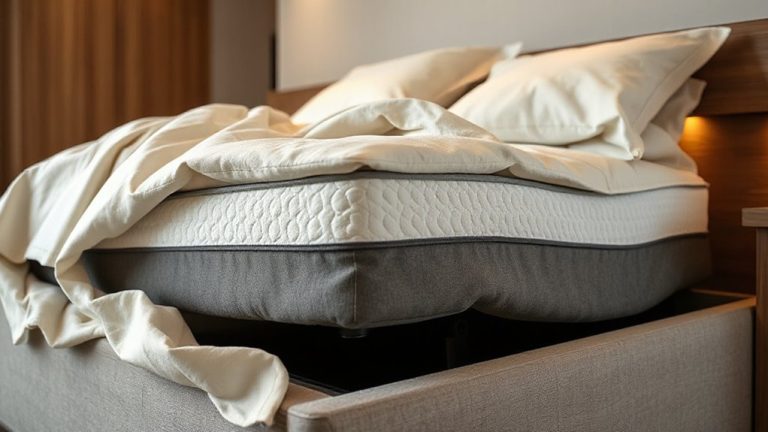
Your innerspring mattress cover affects breathability and feel by managing airflow and heat retention. Cool-touch fabrics wick moisture and promote air circulation, ideal if you sleep hot. Warm-feel materials trap heat, better for cold sleepers. Breathable knits or mesh panels help release warmth, while tight weaves add support but may reduce airflow. Materials like TENCEL™ or organic cotton offer cooling and softness. A removable, washable cover maintains performance. Choosing one with a trial period lets you test comfort and temperature control safely.
Notable Insights
- Innerspring mattress covers with open knit or mesh designs enhance airflow to prevent heat buildup.
- Cool-touch fabrics use moisture-wicking properties to keep hot sleepers comfortable and regulate temperature.
- Warm-feel covers use heavier materials that trap heat, ideal for those who sleep cold.
- Surface texture affects both comfort and support, with softer weaves conforming better to the body.
- Natural, breathable fibers like Tencel or organic cotton improve cooling but may come at a higher cost.
What Makes an Innerspring Mattress Cover Breathable?
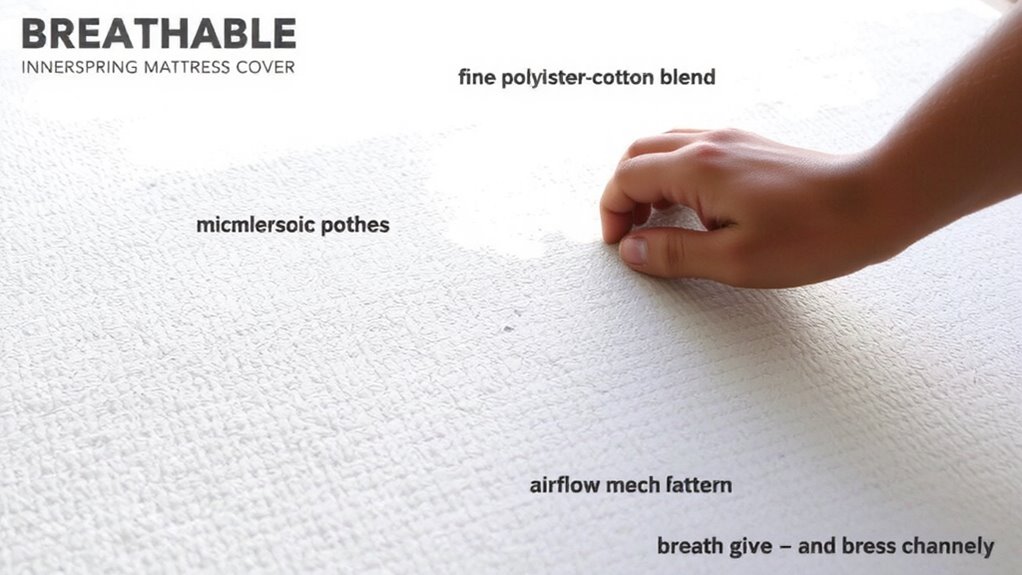
Why do some mattress covers feel cooler while you sleep? It comes down to breathability features built into the design. Your innerspring mattress cover’s airflow design allows heat to escape, so you don’t trap warmth overnight. Covers with open knit weaves or mesh panels boost this effect by speeding up air circulation around your body. Equally important is moisture wicking performance-fabrics that pull sweat away help maintain a dry, comfortable surface. This matters if you tend to overheat or have sleep issues tied to temperature regulation. Many breathable covers use synthetic blends or treated fibers to enhance these traits without sacrificing softness. While you can’t change the coil system underneath, you *can* choose a cover that supports better thermal balance. Look for models offering trial periods, so you can test the cooling effect firsthand. Check warranty terms too-some brands back their breathability claims with long-term performance guarantees.
Cool-Touch Fabrics vs. Warm-Feel Materials: Which Is Right for You?
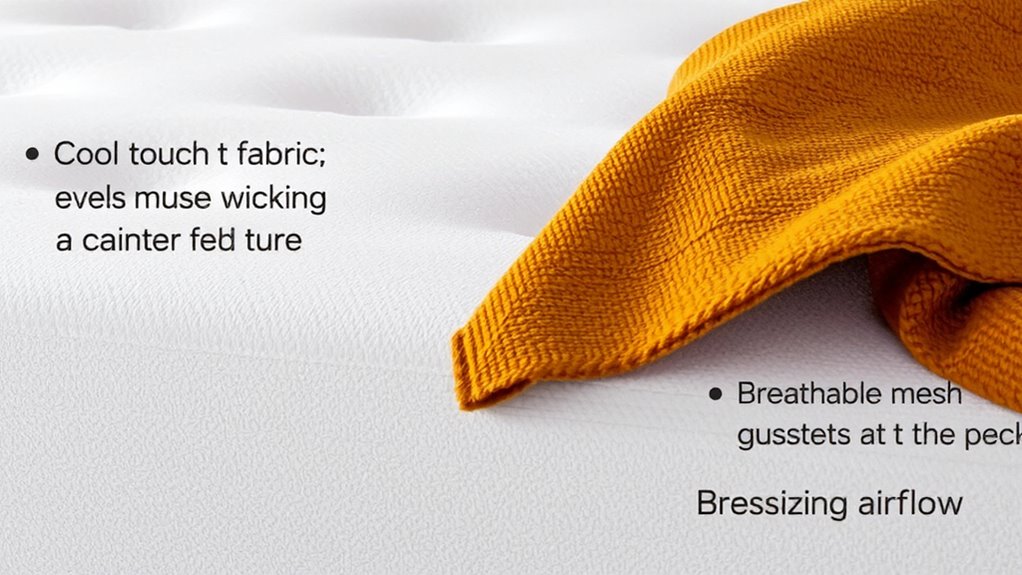
You’ve likely noticed how some mattress covers feel cool to the touch, while others offer a warmer, cozier sensation-this difference starts with the fabric. Cool-touch materials, often made with moisture wicking properties, pull sweat away and help regulate temperature, ideal if you tend to sleep hot. These fabrics are usually lighter in fabric weight, increasing airflow and reducing heat retention. In contrast, warm-feel materials tend to be heavier, trapping body heat and offering a snuggly surface, better for cold sleepers. Your choice depends on your sleep environment and personal comfort preferences. Consider your typical room temperature and whether you experience night sweats or chills. Many manufacturers include trial periods, so you can test how the cover affects your sleep. Check warranty details too-some cover types hold up better over time.
How Texture Affects Comfort on an Innerspring Mattress
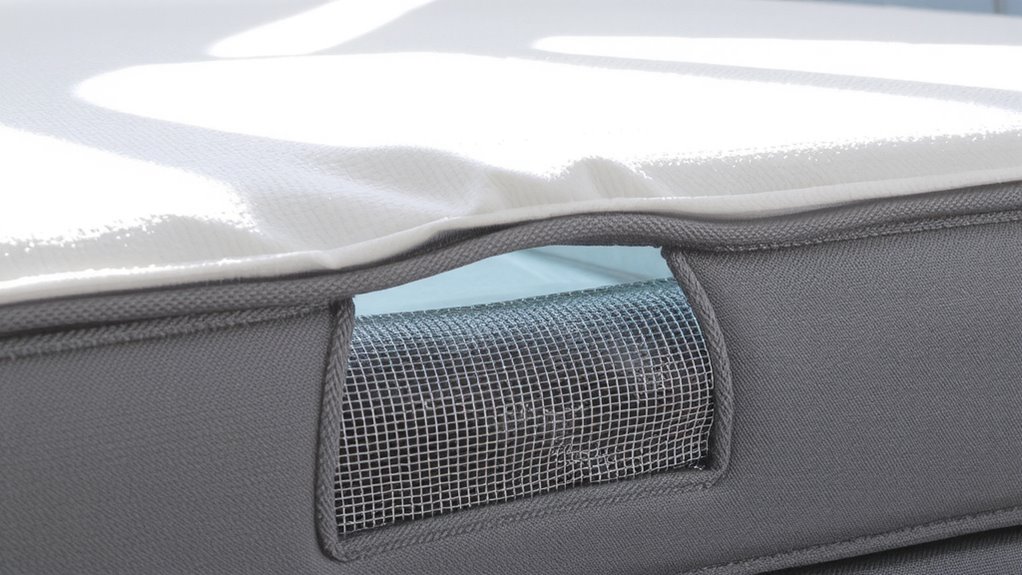
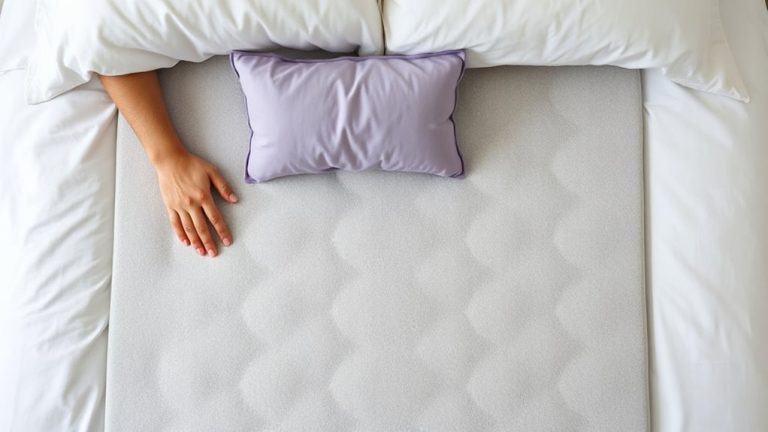
A mattress cover’s texture plays a subtle yet meaningful role in how comfortable your innerspring mattress feels from the first touch. If the fabric is too stiff, it may resist your body’s natural contours, making pillow top integration feel less seamless. A softer, more flexible cover helps the plush layers conform smoothly, enhancing overall comfort. Meanwhile, the texture can also affect edge support influence-tighter weaves or reinforced materials often provide a crisper edge, contributing to durability and usable sleep space. Textures with slight give improve pressure relief, which may help if you’re prone to stiffness or sleep discomfort. You’ll want a balance: something breathable enough to avoid trapping heat, yet textured enough to support the mattress’s structure. Many models offer test periods, so you can assess how the surface feels over time. Check warranty terms that cover fabric degradation, especially with heavier use. For those seeking a luxurious feel, consider sheets with best satin sheets for added softness and temperature regulation.
Top Materials Used in Innerspring Mattress Covers
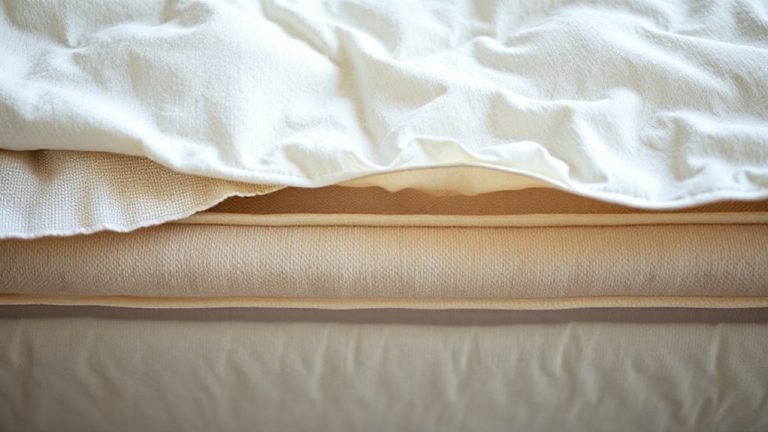
The feel of a mattress cover ties directly to the materials used, shaping everything from breathability to long-term durability. You’ll often find covers made with eco friendly fibers like organic cotton or Tencel, which help regulate temperature and reduce irritation-useful if you’re sensitive or prone to night sweats. Some include natural latex in the quilting layers, offering slight cushioning while resisting dust mites and mold. Polyester blends are common too, providing strength and stretch, though they may trap heat. Knit or woven constructions affect softness and airflow, with knits usually feeling more pliable. Covers with natural latex and eco friendly fibers typically cost more but can support healthier sleep environments. Most brands offer trial periods, so you can test comfort and breathability risk-free. Check warranty terms for wear-related coverage-some exclude pilling or discoloration.
How to Choose the Best Cover for Cooler, More Comfortable Sleep
While comfort is personal, prioritizing breathability in your mattress cover can make a real difference if you tend to sleep hot or wake up sweaty. Look for covers made with moisture wicking fabrics like TENCEL™, bamboo, or phase-change materials-they pull sweat away and help regulate temperature. A breathable knit or mesh design also boosts airflow, especially over innerspring coils where heat can build. Don’t overlook pressure relief: a thin quilted layer with cooling gel foam can offer soft support without trapping heat. Avoid heavy padding or synthetic blends that reduce ventilation. Check if the cover is removable and washable, which helps maintain hygiene and performance. Many brands offer trial periods and warranties, so test the feel and breathability in your own space. Choose a cover that balances moisture wicking, airflow, and light comfort for cooler, more comfortable sleep. Top-rated models often feature cooling gel foam to enhance thermal regulation and comfort.
On a final note
You’ll sleep cooler if you choose a breathable cover with moisture-wicking fabric like TENCEL or cotton. These materials allow air flow, reducing heat buildup. Cover texture affects comfort too-smooth feels cooler, quilted adds softness. Cool-touch fabrics help regulate temperature, while thicker materials may trap warmth. Check trial periods and warranties before buying. Test the feel in person if possible, and consider your sleep style when comparing options. A good cover supports better rest.