Targeting Piriformis Syndrome Relief With Medial Thigh Spacer Pillows
You can ease piriformis syndrome pain at night by using a medial thigh spacer pillow to align your hips and reduce sciatic nerve pressure. Place it between your knees while side sleeping to support neutral spinal alignment. Memory foam or contoured pillows offer firm, custom-like support, while cooling gel helps if you sleep hot. Look for removable, washable covers and models with trial periods. Pairing consistent use with gentle stretches improves results over time - discover how small adjustments may increase comfort and mobility.
Notable Insights
- Medial thigh spacer pillows reduce piriformis muscle pressure by aligning legs during side sleeping.
- Proper pillow height (4–6 inches) maintains hip and spinal alignment to prevent nerve compression.
- Contoured memory foam pillows offer targeted support and promote sciatic nerve decompression overnight.
- Using a pillow between the knees balances the pelvis and reduces strain on the piriformis muscle.
- Combining pillow use with daily piriformis stretches enhances alignment and long-term symptom relief.
How a Medial Thigh Pillow Relieves Piriformis Pain
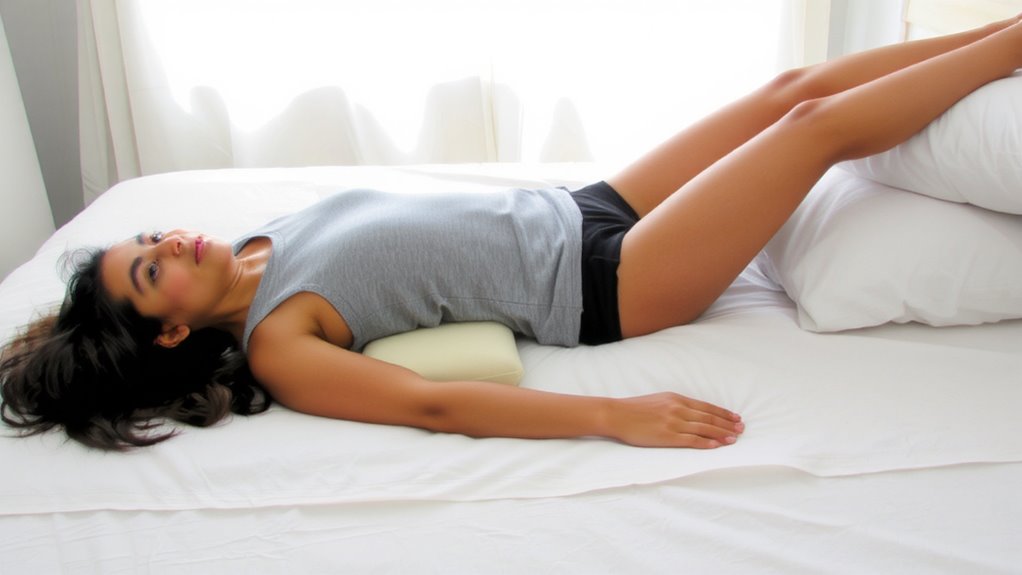
While lying on your side, you might not realize how much pressure builds up in your hips-especially if piriformis syndrome is already causing discomfort. A medial thigh spacer pillow helps by gently separating your legs, promoting muscle relaxation in the piriformis and surrounding areas. This positioning reduces tension that can compress the sciatic nerve, supporting nerve decompression over time. Most pillows are made from supportive memory foam or adjustable fill, letting you customize firmness. Their contoured or cylindrical shapes stay in place, maintaining alignment without stiffness. With consistent use, many people notice reduced nighttime pain and improved comfort. Brands often offer trial periods, so you can test for effectiveness. While results vary, the design focuses on natural posture correction, not aggressive intervention. It’s a non-invasive option worth considering if standard pillows haven’t helped.
Why Side Sleepers Need Proper Leg Alignment

What if the ache in your hips after a night’s sleep isn’t just from tossing and turning? As a side sleeper, misaligned legs can increase pressure points and lower sleep quality. Proper leg alignment keeps your spine neutral, reducing strain on your piriformis and surrounding muscles. Without support, your top leg pulls the pelvis out of balance, creating tension that builds overnight. Using a spacer pillow between your knees helps maintain alignment and evenly distributes weight. Back sleepers can also benefit from targeted support, as seen in the best knee pillows for back sleepers, which promote spinal alignment and reduce nocturnal discomfort.
| Benefit | Without Pillow | With Proper Support |
|---|---|---|
| Spine Alignment | Often compromised | Improved neutrality |
| Pressure Points | Increased in hips and knees | Reduced stress |
| Sleep Quality | Frequently disrupted | More consistent and restful |
You don’t need perfection-just thoughtful support that matches your body’s needs.
Best Spacer Pillows for Your Body and Bed
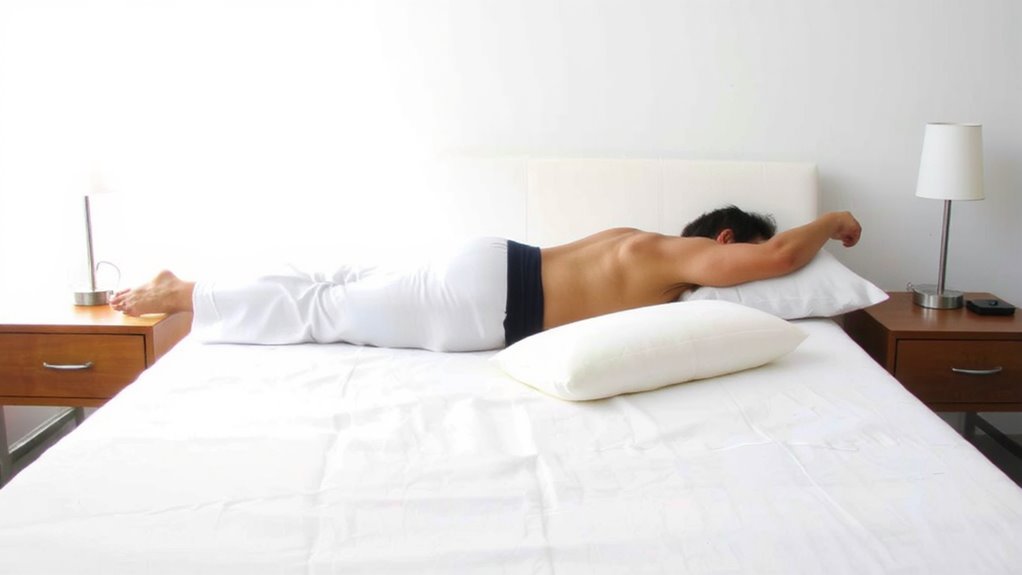
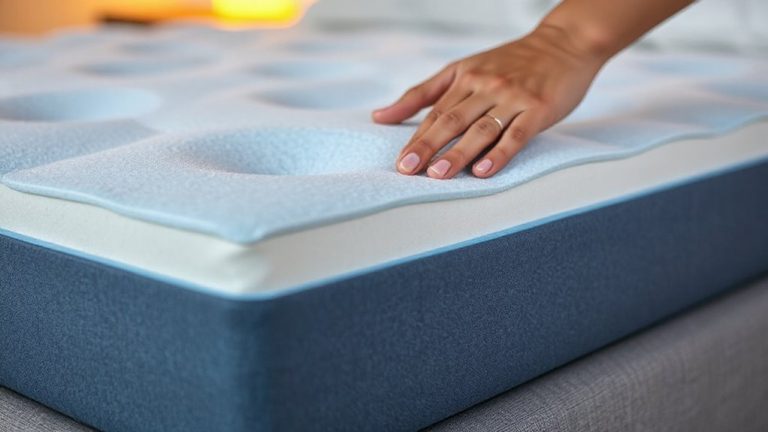
A good spacer pillow can make a noticeable difference in how you feel each morning, especially if you’re dealing with piriformis discomfort. Memory foam models offer firm, consistent support that molds gently to your legs, helping maintain proper alignment. Look for a contour design that cradles the natural curve between your thighs, reducing strain on the hips and lower back. These pillows often stay in place better and provide balanced pressure relief throughout the night. Some brands use cooling gel infusions to manage heat, which can be helpful if you tend to sleep warm. Check whether the pillow comes with a removable, washable cover-this adds convenience and longevity. Many top options include a trial period or warranty, so you can test comfort risk-free. Choosing the right one depends on your body size, mattress type, and sleep position.
Where to Place Your Pillow for Relief
For best results, place the spacer pillow between your knees when lying on your side-this helps keep your hips aligned and reduces pressure on the piriformis muscle. The right pillow height matters: too low won’t support alignment, while too high can tilt your pelvis. Match the pillow height to your body width and preferred sleep position. If you switch sleep positions at night, choose a contoured pillow that works for both side and back lying. Test the pillow for a few nights to assess comfort and support.
| Sleep Position | Recommended Pillow Height |
|---|---|
| Side sleeper | 4–6 inches |
| Back sleeper | 3–4 inches |
| Side (broad hips) | 5–7 inches |
| Combination | Adjustable or 4–5 inches |
| Petite frame | 3–4 inches |
Pair Your Pillow With These Piriformis Stretches
You’ve set up your medial thigh spacer pillow to support proper hip alignment and reduce strain on the piriformis muscle, but adding targeted stretches can further ease tension and improve mobility. Try the seated figure-four stretch or supine piriformis stretch, both of which encourage gentle piriformis activation without overloading the area. Hold each stretch for a consistent stretch duration of 30 seconds to allow the muscle to relax and lengthen safely. Perform them daily, especially before bed, to support better positioning during sleep. These stretches pair well with your pillow by maintaining flexibility and reducing nighttime discomfort. Avoid bouncing and focus on slow, steady movements to prevent irritation. When combined with proper pillow use, these stretches help maintain hip symmetry and reduce pressure on surrounding nerves. Consistency enhances results, but listen to your body and stop if pain increases. This combination supports restful sleep and may lessen reliance on other sleep aids.
How Soon You’ll Feel Less Sciatic Pain
How long before you start noticing relief from sciatic pain? Many users report feeling less discomfort within a few days to a week of consistent use, especially when combining the medial thigh spacer pillow with proper sleep positioning. Your pain timeline may vary based on individual factors like symptom triggers, activity levels, and underlying muscle tension. The pillow helps reduce pressure on the piriformis muscle, which in turn lessens irritation of the sciatic nerve. For best results, use the pillow every night and avoid positions that flare up symptoms. Most designs feature supportive foam that maintains alignment without overheating. Try the pillow for at least two weeks-many brands offer trial periods-so you can assess real improvements. Pay attention to changes in pain intensity and frequency, adjusting as needed for ideal comfort and nerve relief. A supportive sleep surface can enhance the effectiveness of the pillow, and choosing the right one may involve considering the best mattresses for sciatica.
What Real Users Say About Nighttime Relief
Many people dealing with piriformis-related sciatic pain find that nighttime relief starts to become real after consistent use of a medial thigh spacer pillow. You might notice improvements in your sleep quality within a few nights, as the pillow helps maintain proper leg alignment and reduces pressure on the sciatic nerve. Users often report a steady increase in comfort level, especially when lying on their side. The pillow’s firm yet supportive foam holds its shape, keeping your hips stacked and your spine neutral. Most models come with a removable, washable cover for easy care. Some brands offer a 30-day trial, letting you test the pillow risk-free. While results vary, many find that using the spacer pillow nightly leads to fewer awakenings and deeper rest. It’s not a cure, but it can be a practical part of managing pain during sleep.
On a final note
You’ll find relief by pairing a medial thigh pillow with proper sleep alignment and stretches. Look for contoured foam or breathable fabric to support hip stability night after night. Position it snugly between your knees to reduce piriformis pressure. Many models come with removable covers and trial periods, so test for comfort. Consistent use, along with gentle stretching, helps ease sciatic symptoms over time, letting you sleep deeper with fewer disturbances-just stick with it for real results.