How Evening Tai Chi Reduces Sleep Anxiety in Seniors
Evening tai chi helps quiet your mind and ease physical tension through slow, flowing movements and deep breathing. It lowers cortisol levels and supports your body’s natural wind-down process, making it easier to fall asleep. Unlike sleep aids, it doesn’t cause drowsiness or dependence. Regular practice can improve sleep quality and reduce nighttime awakenings. You’ll find calm without side effects-and discover even more ways it supports restful nights.
Notable Insights
- Evening Tai Chi calms the nervous system through slow, deliberate movements and deep breathing.
- It reduces cortisol levels, helping seniors manage stress and sleep-related anxiety.
- Gentle motions improve circulation and relieve physical tension that can worsen anxiety.
- Regular practice supports circadian rhythm alignment, promoting natural sleep onset.
- Tai Chi increases melatonin production indirectly, enhancing sleep quality without medication.
Why Seniors Struggle to Sleep at Night
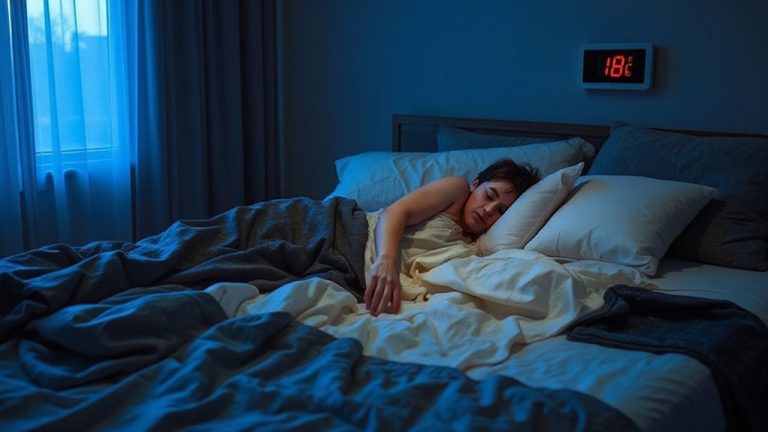
Why does sleep seem harder to come by as you get older? You’re not alone-many seniors face shifting sleep patterns due to biology and lifestyle. Insomnia triggers like stress, medication side effects, or irregular routines can disrupt your rest. Chronic pain from conditions such as arthritis often worsens at night, making it tough to fall or stay asleep. Your body produces less melatonin over time, weakening natural sleep signals. Some turn to sleep aids, but these come with trade-offs: while over-the-counter options may help short-term, they can cause drowsiness the next day. Prescription treatments might be effective but require medical oversight. Non-drug solutions-like adjusting light exposure, setting a firm bedtime schedule, or managing pain with gentle movement-offer safer, long-term benefits. Considering both comfort and health, evaluating all factors helps you make informed choices about what supports rest without unwanted effects.
How Evening Tai Chi Prepares Your Body for Sleep
As the day winds down, your body begins to shift into recovery mode, and practicing Tai Chi in the evening can gently guide this shift. You use slow, intentional movements paired with deep breathing techniques to signal your nervous system to relax. These breathing techniques help lower your heart rate and reduce cortisol levels, making it easier to move into rest. At the same time, the focus on muscle relaxation releases tension built up during the day, especially in the neck, shoulders, and lower back. This combination improves circulation and reduces physical discomfort that might interfere with sleep. Unlike sleep aids, which can cause dependency or side effects, Tai Chi offers a natural way to prepare your body without chemicals. Regular practice supports long-term sleep health by aligning your physical state with your circadian rhythm. It requires no special equipment and can be adapted to your mobility level.
Best Evening Tai Chi Moves for Deep Rest
While your body begins to unwind after a long day, certain Tai Chi movements can deepen that relaxation and set the stage for restful sleep. You’ll benefit most from moves like “Parting the Horse’s Mane” and “Wave Hands Like Clouds,” which combine slow motion with deep breathing techniques to calm your nervous system. These flowing sequences encourage gentle stretching, easing tension in your shoulders, hips, and spine. As you shift smoothly between poses, your breath stays steady, helping lower heart rate and quiet mental chatter. Each movement supports joint mobility without strain, making it ideal for evening practice. You can perform these forms in a small space, needing only 10–15 minutes. Over time, regular practice may improve sleep quality without relying on sleep aids. Listen to your body, adjust pace as needed, and let the rhythm of motion and breath guide you toward deeper rest.
How to Start Tai Chi at Home Before Bed
You’ve already seen how gentle Tai Chi moves like “Parting the Horse’s Mane” and “Wave Hands Like Clouds” can support relaxation and better sleep. Now, starting at home is simple. You don’t need special equipment-just comfortable clothes and flat-soled shoes or bare feet. Equipment needs are minimal: a quiet space and maybe a non-slip mat for hardwood or tile floors. Space requirements are small; a 6-by-6-foot area lets you move freely without obstruction. Begin with five to ten minutes before bed, standing tall with relaxed shoulders. Keep movements slow and breathe deeply. Use free online videos or apps to guide your routine. Try it consistently for two weeks to assess effects on sleep quality. If discomfort occurs, adjust posture or reduce duration. This low-impact practice fits easily into nightly habits, offering a drug-free way to support rest.
What Research Shows About Tai Chi and Senior Sleep
Though scientific evidence continues to grow, you’ll find that tai chi has already shown real benefits for senior sleep in multiple studies. You may notice improvements in both sleep quality and duration after consistent practice, especially in the evening. Research links tai chi to balanced brain chemistry, helping regulate neurotransmitters involved in sleep cycles. It also lowers cortisol levels, which often run high in seniors with sleep anxiety. When stress hormones decrease, your body finds it easier to shift into restful sleep. Unlike sleep aids that may cause dependency or side effects, tai chi supports natural adjustment without chemicals. It’s gentle on joints and requires no special equipment, making it a sustainable choice. Studies tracking long-term practitioners report fewer nighttime awakenings and deeper REM cycles. You don’t need intense effort-just steady, mindful movement. Consider tai chi a non-invasive option to explore alongside or instead of medication.
How to Make Evening Tai Chi a Bedtime Habit
What if easing into sleep started with just five minutes of mindful movement? Making evening tai chi part of your bedtime routine can help signal your body that it’s time to wind down. Begin by choosing a quiet space in your home where you can stand comfortably, free from distractions. This improves both your sleep environment and focus. Practice simple, flowing movements like “wave hands like clouds” or “parting the horse’s mane,” repeating them slowly. Aim to do this at the same time each night, ideally 30 to 60 minutes before bed. Over time, your mind will link these motions with relaxation. No special gear is needed-just loose clothing and supportive footwear, if required. Start small and adjust based on comfort. Consistency matters more than length. Let your body respond naturally, and let the habit grow gently within your existing routine.
On a final note
You might find evening tai chi helps reduce sleep anxiety without relying on sleep aids. Its slow, controlled movements ease tension and support relaxation, making it easier to wind down. Research suggests regular practice improves sleep quality in seniors over time. Start with simple poses at home, just 10 to 15 minutes before bed. It’s low-risk, requires no special equipment, and you can adjust intensity as needed. Try it consistently for several weeks to assess results.