The Difference Between Delayed Sleep Phase Disorder and Insomnia
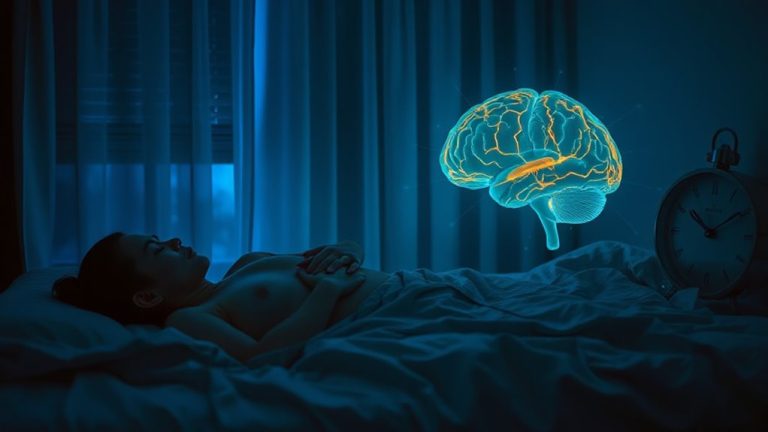
You might have delayed sleep phase disorder (DSPD) if you regularly fall asleep late but sleep well once you do. With insomnia, you struggle to fall or stay asleep-and sleep often feels unrefreshing. DSPD follows a consistent pattern tied to your body’s clock; insomnia doesn’t. Light exposure and melatonin timing play big roles in DSPD; stress and habits often fuel insomnia. Treatments vary, so recognizing the type matters. Understanding your sleep pattern can guide better choices-and lead to more effective solutions.
Notable Insights
- Delayed Sleep Phase Disorder (DSPD) involves a consistent delay in sleep timing, while insomnia involves difficulty falling or staying asleep at any time.
- People with DSPD sleep well once asleep, whereas those with insomnia often have unrefreshing, poor-quality sleep.
- DSPD is caused by a delayed circadian rhythm and melatonin release, typically unaffected by stress.
- Insomnia is often linked to anxiety, depression, or poor sleep habits, rather than a shifted internal clock.
- Morning light therapy helps reset DSPD’s circadian clock, while insomnia is best treated with cognitive behavioral therapy (CBT-I).
What Is Delayed Sleep Phase Disorder (DSPD)?
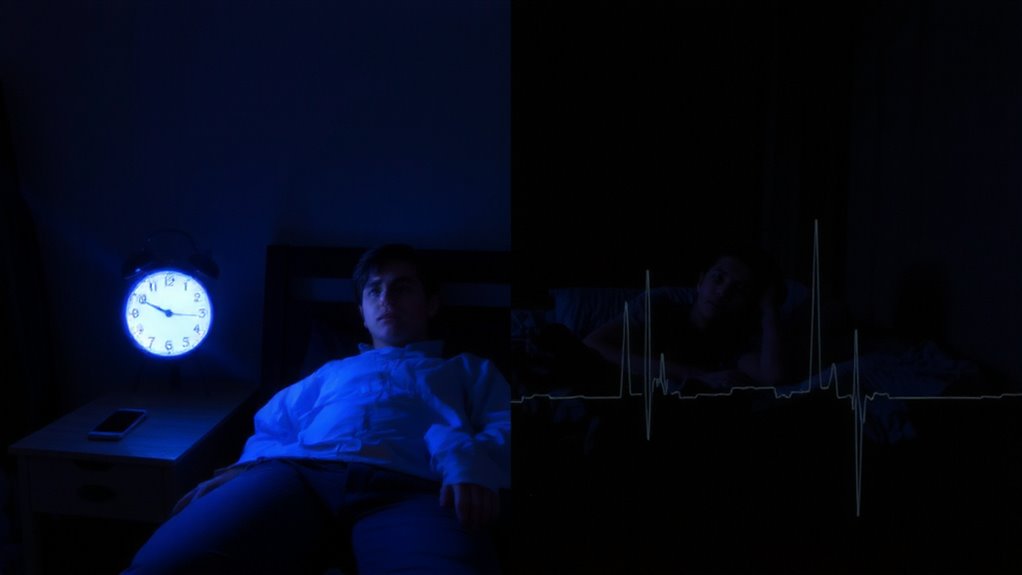
A sleep rhythm out of sync with the world’s clock might be more than just a habit-it could point to Delayed Sleep Phase Disorder (DSPD). Your circadian rhythm, the body’s internal clock, runs later than typical, making you fall asleep much later at night and wake up later in the morning. Unlike insomnia, your sleep itself is normal-you just can’t match societal schedules. This shift often stems from delayed melatonin timing, where your body releases the sleep hormone hours after most people. Light exposure in the evening can worsen it, pushing your cycle further. You’re likely naturally inclined toward being a night owl, but school, work, or family life may demand earlier hours. Treatments like morning light therapy or carefully timed melatonin supplements can help reset your rhythm. Results vary, so trials under medical guidance are recommended. Success depends on consistency, timing, and personal lifestyle fit.
What Is Insomnia? Key Differences From DSPD
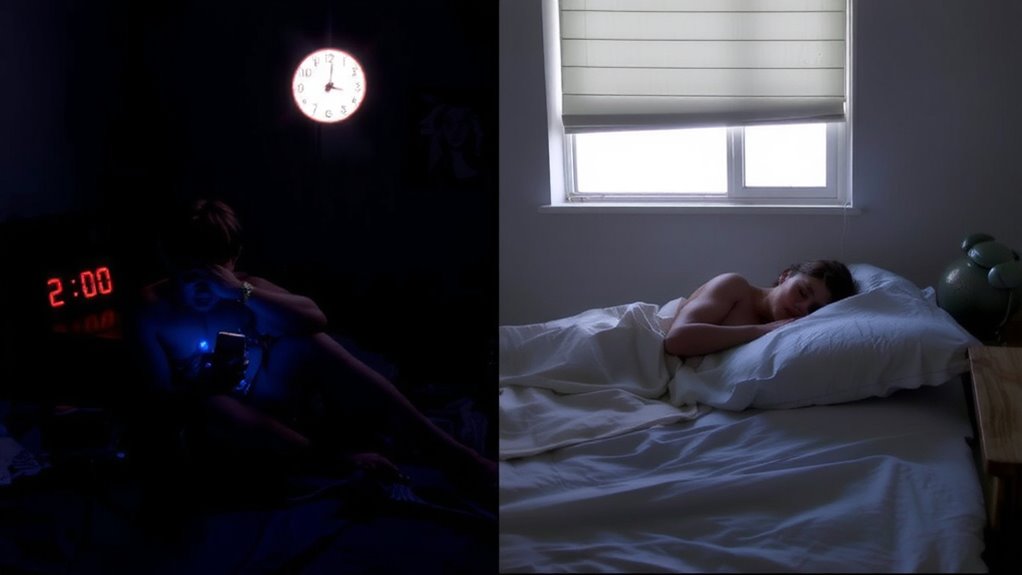
You might lie awake for hours, no matter what time you try to sleep, and that’s where insomnia stands apart from Delayed Sleep Phase Disorder. With insomnia, it’s not just about when you sleep-it’s about whether you can fall or stay asleep at all. Poor sleep quality is common, leaving you tired even after a full night in bed. Unlike DSPD, where your rhythm is shifted but consistent, insomnia often disrupts sleep unpredictably. It can flare up due to stress, poor sleep habits, or underlying mental health concerns like anxiety or depression. Over time, the lack of restorative sleep affects concentration, mood, and daily function. Treatments range from cognitive behavioral therapy for insomnia (CBT-I) to short-term sleep aids, each with pros and trial periods to weigh. Improving sleep quality often means adjusting routines, environment, and how you manage stress-steps that support both sleep and mental health in measurable ways.
DSPD vs. Insomnia: How to Tell Which One You Have
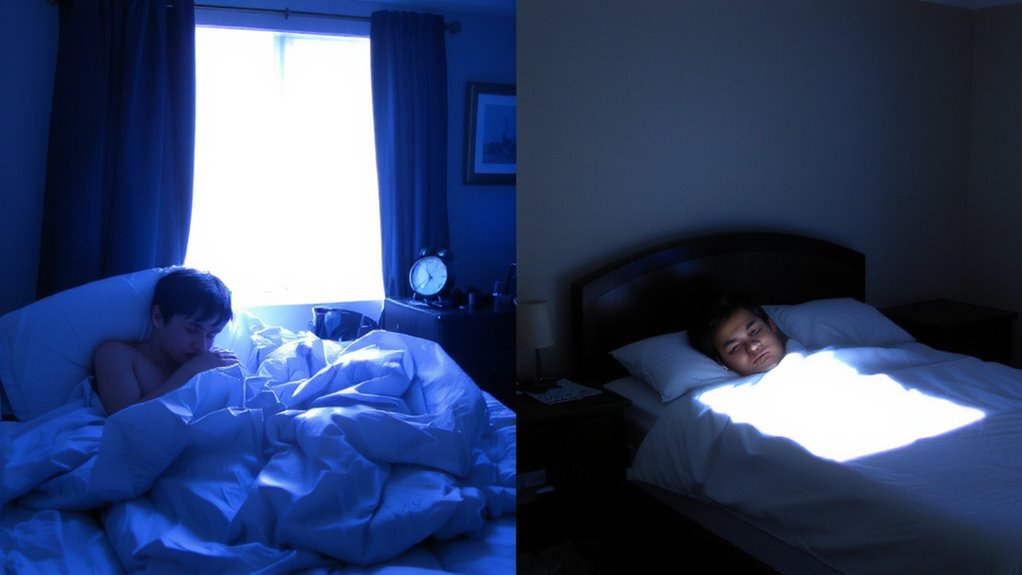
How do you know if your late-night habits are just a preference or something more like Delayed Sleep Phase Disorder? The key lies in your sleep timing and how it aligns with your internal clock. If you consistently fall asleep late-say, 2 a.m. or later-but sleep well once you do, and wake refreshed when allowed, your circadian rhythm may simply be shifted. That’s DSPD. With insomnia, you struggle to fall or stay asleep, even when you want to, regardless of bedtime. Your circadian rhythm might be normal, but sleep doesn’t come easily. Tracking your patterns for a few weeks can help clarify which issue you’re facing. Consider a sleep diary or wearable tracker to record sleep timing and quality. That data gives doctors clearer insight into whether it’s a rhythm shift or something else. For more accurate insights, using a best sleep tracker can provide detailed analysis of your sleep stages and patterns.
Daily Life Effects: Fatigue, Focus, and Function
While both Delayed Sleep Phase Disorder and insomnia can disrupt daily life, their effects on fatigue, focus, and overall function differ in important ways. With DSPD, you’re likely tired in the morning but feel alert at night, making school or work timing challenging. Insomnia often causes fatigue all day due to poor sleep quality, no matter the schedule. Both conditions can lead to cognitive decline over time, affecting memory and concentration. You might also face immune suppression, increasing illness risk. Focus suffers either way, but the root cause shapes how it impacts daily tasks. If you’re struggling, tracking sleep patterns helps clarify whether timing or sleep quality is the main issue. That information guides better decisions about seeking help, trying sleep aids, or adjusting routines. Understanding these effects helps you choose next steps wisely.
Effective Treatments for DSPD and Insomnia
Treatment success often hinges on matching the approach to the disorder’s root cause, since what works for delayed sleep phase disorder might not help with insomnia-and vice versa. If you have DSPD, light therapy each morning can reset your internal clock by exposing you to bright light shortly after waking, helping shift your sleep schedule earlier over time. Consistency matters-using the light box at the same time daily boosts effectiveness. For insomnia, cognitive behavioral therapy is often recommended before medication options, as it addresses habits and thoughts affecting sleep. Medication options may help short-term but come with trade-offs like dependency or reduced effectiveness over time. Both conditions may benefit from sleep hygiene improvements, but only DSPD typically responds to timing-focused tools like light therapy. You’ll want to discuss these choices with a provider to match treatment to your specific diagnosis and lifestyle.
On a final note
You might confuse delayed sleep phase disorder with insomnia, but timing defines DSPD, while insomnia involves difficulty falling or staying asleep. If your body resists sleep until late, yet sleeps well once started, DSPD is likely. Trouble staying asleep or frequent awakenings point to insomnia. Treatments differ: light therapy and melatonin help reset rhythms in DSPD, while CBT-I often works best for insomnia.