Herbal Sleep Stack Guide: Valerian + Chamomile, No Grogginess
You can create a herbal sleep stack without sedative side effects by combining gentle, research-backed herbs like valerian, chamomile, and passionflower. These support your natural sleep cycle without dulling your mind. Pairing them enhances effectiveness while reducing the need for high doses. Standardized extracts guarantee consistent results, and many brands offer trial periods. Take 30 to 60 minutes before bed, and track how you feel in the morning-this helps fine-tune your blend for better rest. Exploring combinations may reveal the ideal balance for your needs over time.
Notable Insights
- Choose gentle, non-sedating herbs like chamomile and passionflower to support calmness without next-day grogginess.
- Combine synergistic herbs such as valerian with lemon balm for enhanced sleep quality and reduced side effects.
- Use standardized herbal extracts to ensure consistent potency and reliable, non-habit-forming results.
- Start with low doses and adjust gradually while monitoring morning alertness and sleep improvements.
- Take the blend 30–60 minutes before bed to align with natural circadian rhythms and optimize effectiveness.
Why Herbal Sleep Stacks Support Natural Rest
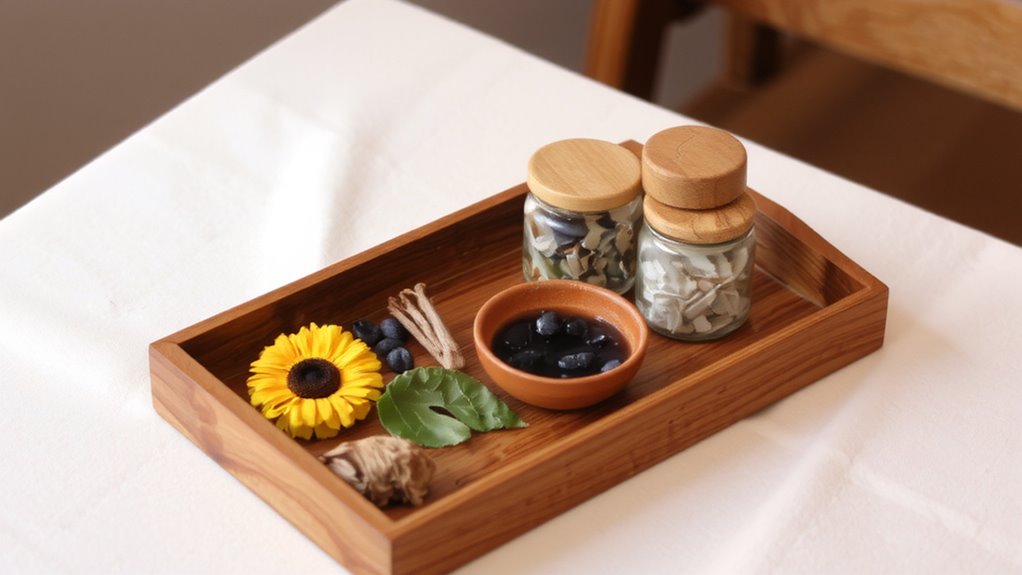
Ever wonder why so many people turn to herbal sleep stacks when rest feels out of reach? You’re not alone. These blends work by combining plant-based ingredients that support your body’s natural rhythms. Instead of forcing sleep, they offer natural circadian support, helping your internal clock stay on track. The key lies in herbal synergy-when specific herbs interact, their effects become more balanced and effective than taken alone. This means better sleep quality without harsh sedation. Most formulas are designed for nightly use, with plant extracts standardized for consistency. If you’re comparing options, check ingredient transparency and dosage clarity. Reputable brands offer trial periods or satisfaction guarantees, so you can test without risk. While results vary, many find these stacks helpful for occasional sleep disruptions. They’re not a quick fix, but a supportive tool when paired with good sleep habits. Consider them part of a broader routine, not a standalone solution. Some of the most effective blends include best herbal sleep teas for those seeking gentle, natural support.
Best Herbs for Calm Sleep Without Morning Grogginess
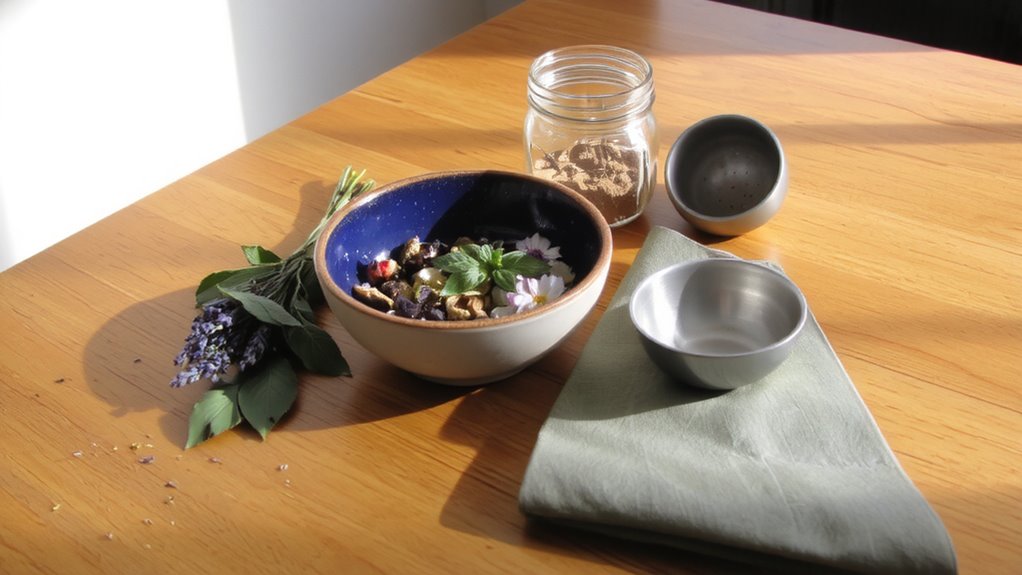
You already know that herbal sleep stacks work with your body’s natural rhythms instead of overriding them, and now it’s time to look at which specific herbs deliver calm, restorative sleep without leaving you sluggish the next morning. Valerian benefits include deeper sleep stages and reduced nighttime awakenings, but using lower doses helps avoid grogginess. Paired with other gentle herbs, it performs best without heavy sedation. Chamomile synergy enhances relaxation through mild calming compounds that support nervous system balance. It works well on its own, but in combination, it smooths the sleep onset process. These herbs are typically available in capsule, tea, or tincture form, allowing you to test delivery methods. Most come with a 30-day trial, so you can assess effects without long-term commitment. Look for standardized extracts to guarantee consistent potency. Always check with your doctor if you’re managing sleep disorders or taking other sleep aids. A good sleep environment complements herbal support, much like choosing a comfortable best affordable sleeper sofa ensures restful nights.
How to Combine Herbs for Better Sleep Results
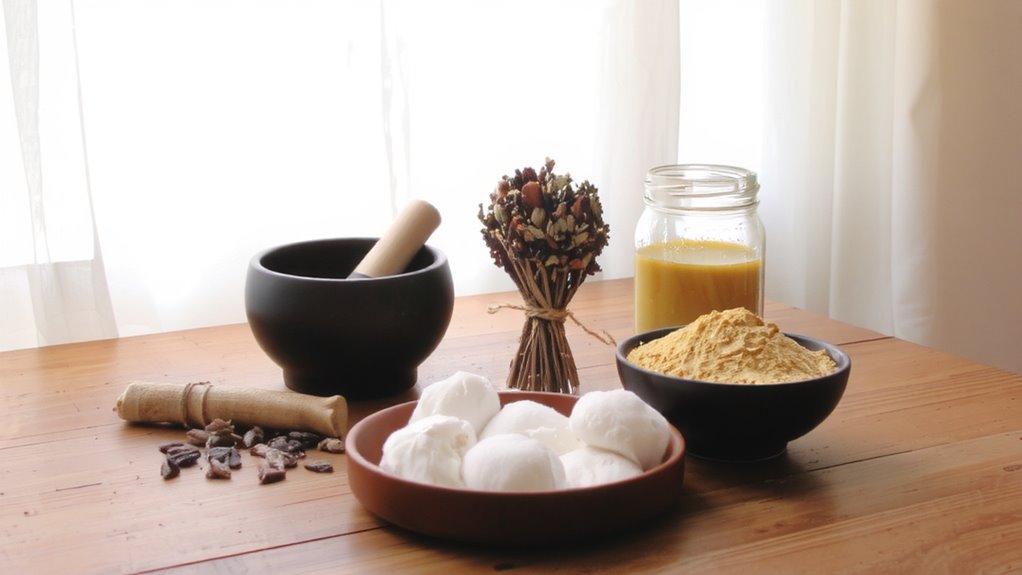
Why do some herbal combinations seem to work better than single ingredients? It’s due to herb synergy-when plants enhance each other’s effects without increasing side effects. A well-designed sleep formulation uses this principle to support natural sleep cycles. Instead of relying on one herb, stacking complementary ones can improve relaxation, sleep onset, and quality.
Consider these pairings for better results:
| Primary Herb | Supportive Herb |
|---|---|
| Valerian | Passionflower |
| Chamomile | Lemon balm |
| Ashwagandha | Holy basil |
| Magnolia bark | Hops |
Each pairing balances calming action with nervous system support. When building your stack, start low and adjust slowly. Monitor how you feel upon waking-refreshed, not groggy. This method allows you to fine-tune your sleep formulation safely, based on your body’s response over time.
Customize Your Herbal Sleep Stack by Sleep Issue
How do you pinpoint the right herbal blend when sleep troubles vary so much from person to person? If you struggle with sleep onset, herbs like chamomile or passionflower may help calm your mind and shorten the time it takes to fall asleep. These support relaxation without heavy sedation. For poor sleep maintenance-waking often or too early-consider adding valerian or ashwagandha, which may strengthen sleep continuity and reduce nighttime disruptions. Some people need both: a mix for quicker sleep onset and better sleep maintenance. Start with one herb to assess its effect, then adjust gradually. Pay attention to how you feel upon waking-clear-headedness is a good sign. Since individual responses differ, a tailored approach works best. Track your patterns over a few nights to see what’s improving. This way, you build a stack that fits your sleep needs without relying on harsh sedatives. When including valerian, opt for a high-quality valerian root supplement to ensure potency and consistency.
Safe, Smart Use: Timing and Non-Habit-Forming Tips
Getting the timing right makes a noticeable difference in how well herbal sleep blends work, just as much as choosing the right herbs for your specific sleep pattern. For ideal timing, take your blend 30 to 60 minutes before bed so your body can absorb the compounds and begin signaling relaxation. This window supports a natural shift into sleep without abrupt drowsiness. Most herbal ingredients, like passionflower or magnesium glycinate, aren’t sedative but work gently with your nervous system, supporting long term safety. Because these herbs don’t force sleep, they’re less likely to cause dependency. Avoid taking them at random times-consistency matters. Use them nightly for several weeks to assess effects, as results can build gradually. If you miss a dose, don’t double up. Stick to the routine. Always check with a healthcare provider if you’re on other medications or have underlying conditions.
On a final note
You can build an effective herbal sleep stack that promotes rest without sedative side effects. Choose herbs like chamomile, passionflower, or lemon balm for calmness and next-day clarity. Combine them thoughtfully, based on your sleep challenges-trouble falling asleep versus staying asleep, for example. Use consistently for a few nights to assess results. Most herbal blends are non-habit forming when used as directed, but timing matters-take them 30–60 minutes before bed. Always check with your doctor if you take other medications.