Creating a Calming Bedroom With Cool-Toned Bedding and Pillow Combinations
You sleep better in cool-toned bedrooms because soft blues, muted greens, and gentle grays support your body’s natural rhythms. These shades reduce visual stimulation and help lower mental arousal, making it easier to wind down. Pair breathable cotton or linen sheets in cool hues with textured throws for comfort and temperature control. Use even-numbered pillow arrangements in similar tones and fabrics to create balance and reduce clutter. Layer in down alternative or memory foam pillows based on your support needs. Mix subtle patterns with solids to add depth without overstimulation. Choose 100% linen or moisture-wicking blends for year-round comfort, and test colors under both natural and evening light to verify a restful effect. Matching bedding to cool-toned wall art enhances cohesion. With machine-washable options and reinforced stitching for durability, maintenance stays simple. Heated throws offer even warmth on colder nights without disrupting airflow. There’s a quiet advantage in aligning your space with tones that signal rest-small changes can make a noticeable difference over time. You’ll find more ways to refine your setup with thoughtful combinations that adapt to your sleep habits.
Notable Insights
- Choose soft blues, mint greens, or cool grays in bedding to support melatonin production and align with natural sleep cycles.
- Pair ocean breeze or mint frost sheets with breathable cotton or linen for temperature regulation and visual calm.
- Layer in textured throws like chunky knit or plush faux fur to add comfort without trapping excess heat.
- Style pillows in even numbers with harmonious fabrics and subtle patterns to reduce visual clutter and promote balance.
- Coordinate bedding with cool-toned wall art and test colors under warm lighting to ensure a cohesive, restful ambiance.
Why Cool Colors Help You Sleep Better
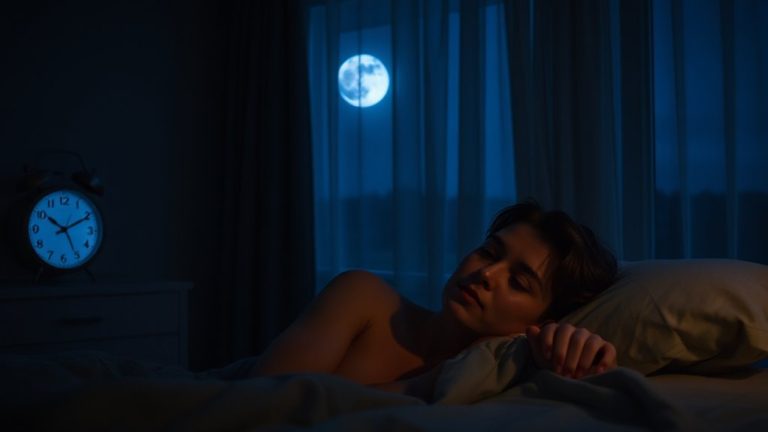
While your bedroom’s color scheme might seem like a matter of personal taste, choosing cool tones could actually influence how well you sleep. Cool colors like soft blues and muted greens support your circadian rhythm by mimicking natural light patterns, helping your body recognize when it’s time to wind down. These hues don’t just feel calming-they can boost melatonin production, the hormone that signals sleep onset. Unlike bright or warm shades that may overstimulate, cool tones create a visually restful environment, reducing mental arousal. This subtle shift can be especially helpful if you struggle with falling asleep or maintaining sleep quality. You’re not relying on sleep aids or devices; instead, you’re adjusting your surroundings to work with your body’s natural cycles. It’s a low-effort, high-impact change-simple to try, with no side effects.
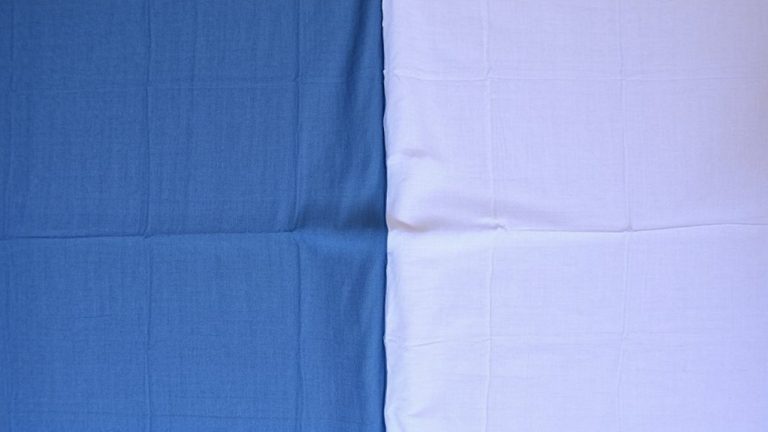
Pick Soothing Blues, Greens, and Grays for Your Bedding
| Shade | Effect on Sleep Environment |
|---|---|
| Ocean breeze | Promotes airflow sensation, aids mental calm |
| Mint frost | Gentle visual reset, reduces eye strain |
| Soft gray | Neutral base, supports deeper sleep cycles |
Add Cozy Layers With Textured Throws and Sheets
You’ve chosen cool-toned hues to set a calm mood, and now you can build on that foundation by focusing on how texture shapes comfort. Textured sheets made from breathable cotton or soft microfiber add subtle depth while helping regulate temperature, a key factor for uninterrupted sleep. Layer on a chunky knit blanket at the foot of your bed-it offers gentle weight and warmth without trapping heat. For colder nights, a plush faux fur throw adds indulgent softness and visual contrast while remaining hypoallergenic and easy to care for. Both materials provide sensory feedback that may ease restlessness, supporting those managing mild sleep discomfort. Look for machine-washable options with reinforced stitching for durability. Trial periods from select brands let you test feel and performance, helping you decide what works best for your comfort and sleep routine. For added warmth during chilly evenings, consider a best heated throws for 2024 model that combines soft fabric with even heat distribution.
Style Pillows for Calm, Balanced Visual Appeal
Pillows do more than prop up your head-they shape the look and feel of your bed while supporting restful sleep. For calm, balanced visual appeal, you’ll want to focus on pillow symmetry and fabric harmony. Arrange pillows in pairs or even numbers to create order and balance, helping your mind settle at bedtime. Use similar textures and tones across pillow covers to maintain fabric harmony, which reduces visual clutter. Consider natural fibers like cotton or linen-they breathe well and feel gentle, supporting both comfort and sleep quality. Mix subtle patterns with solids to add depth without overwhelm. Choose fillings that suit your sleep style, whether down alternative, memory foam, or kapok. Test different combinations over a few nights and adjust as needed. Many quality pillows come with trial periods, so you can assess support and comfort. A well-styled pillow layout isn’t just pretty-it helps create a restful environment, which can ease the effects of stress on sleep. Your choice of pillowcase material can also impact hair health, so consider best pillowcase materials for minimizing friction and retaining moisture overnight.
Match Bedding to Your Room’s Vibe Effortlessly
While your bedroom’s overall atmosphere sets the stage, choosing cool-toned bedding that aligns with the room’s vibe can enhance relaxation without feeling forced. You’ll want to take into account how your bedroom lighting affects the tone of your linens-softer blues and grays work well under warm LED lights, promoting a restful shift into sleep. Match your bedding’s hue to your wall art to create cohesion; if your art has subtle cool undertones, echo those in your sheets and pillowcases. This harmony supports a calm environment, which is key if you’re addressing sleep difficulties. Opt for breathable, moisture-wicking fabrics to improve comfort throughout the night. A well-coordinated space with balanced lighting and complementary decor elements may reduce stress, helping regulate sleep patterns. Test bedding in natural and evening light to see how it feels before committing-many brands offer trial periods, so you can assess performance over time. For ultimate comfort, consider upgrading to 100% linen sheets, known for their softness and temperature-regulating properties.
On a final note
Cool-toned bedding in blues, greens, or grays may help signal relaxation, supporting better sleep onset. Layer with breathable, textured sheets and throws for comfort without overheating. Strategically place pillows for symmetry and softness, enhancing visual calm. Choose hypoallergenic, washable fabrics for long-term use. Test different materials-cotton, linen, or blends-over a week to assess fit. Many brands offer 30-day trials and warranties, so check return policies before buying.