The Benefits of a Consistent Pre-Bed Shower Routine for Muscle Relaxation and Sleep Onset
Taking a warm shower 60 to 90 minutes before bed helps you fall asleep faster by easing muscle tension and supporting your body’s natural temperature drop. The warmth soothes sore muscles, especially with Epsom salts or calming scents like lavender. As you cool down afterward, your body gets ready for sleep. Avoid hot water or late timing, which can delay sleep. You’ll find the right balance with a little trial, and discover even more ways to refine your routine.
Notable Insights
- Showering 60 to 90 minutes before bed aligns with circadiarhythm, promoting natural sleep onset.
- Warm water between 90°F and 100°F loosens tight muscles and improves circulation without overstimulation.
- Epsom salts in the shower deliver magnesium and sulfate, reducing muscle soreness and inflammation.
- Post-shower cooling mimics the body’s natural temperature drop, signaling it’s time to sleep.
- Consistent timing and routine enhance long-term sleep quality and reduce reliance on sleep aids.
Why a Warm Shower Before Bed Helps You Fall Asleep Faster
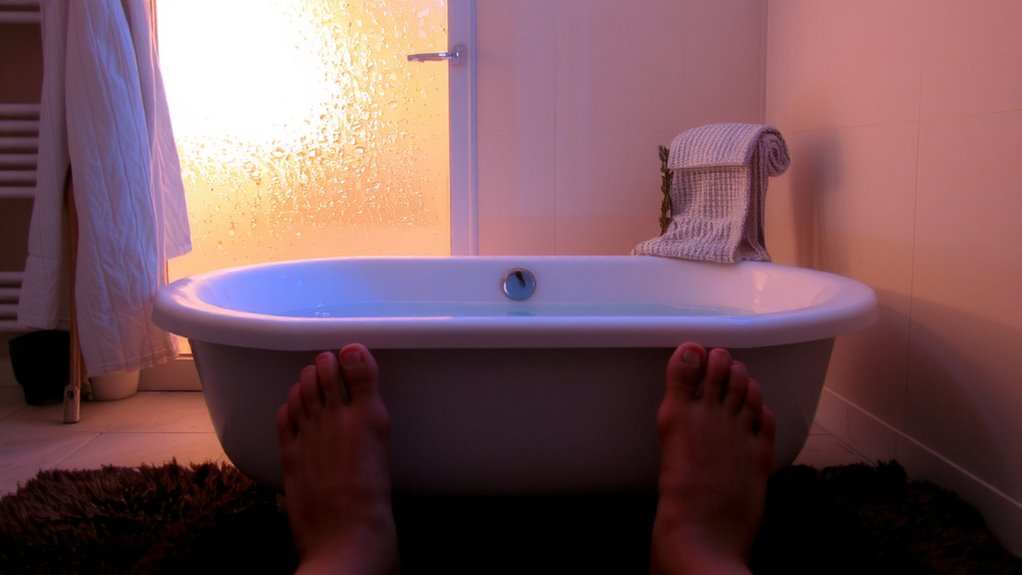
Even if you’ve never tried it, taking a warm shower about 60 to 90 minutes before bed could make falling asleep easier-because it helps your body temperature drop at just the right time. Your core body temperature naturally falls as part of your circadian rhythm, signaling sleep onset. A warm shower raises your skin temperature, and when you step out, the rapid cooling mimics this natural dip, aligning with your internal clock. This shift supports smoother sleep initiation without relying on sleep aids. Timing matters-showering too close to bed may delay cooling, while doing it too early reduces the effect. For those managing sleep disorders like insomnia, this low-cost method offers a non-pharmaceutical option. Studies suggest consistent use improves sleep onset speed. No equipment or prescription is needed, and you can test it safely at home.
How a Pre-Bed Shower Relieves Muscle Tension and Soreness
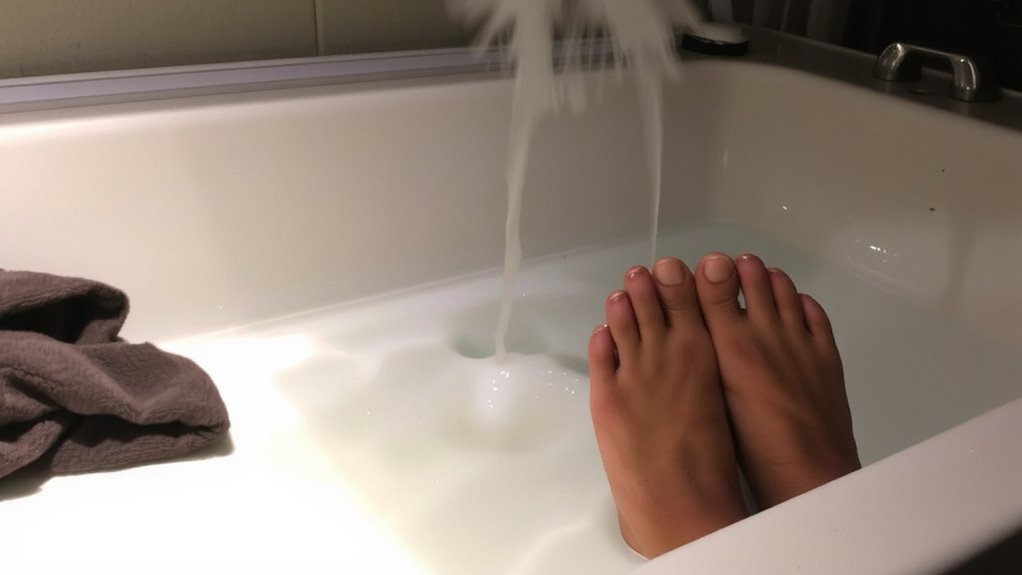
Warm water works quietly but effectively to ease the muscle tension built up over a long day. As you stand under the steady stream, heat penetrates deep into tired tissues, loosening tightness and improving circulation. You’ll notice sore muscles begin to relax, especially if you add Epsom salts to the bathwater-these dissolve into magnesium and sulfate, which your skin absorbs to reduce inflammation. A few drops of essential oils like lavender or eucalyptus can enhance the effect, offering mild aromatherapy that supports physical ease. The routine doesn’t require special equipment; most showerheads work fine, and Eps metaData shows consistent user-reported relief after regular use. While not a cure for chronic pain, this practice is a low-risk option worth trying. It may reduce reliance on sleep aids, particularly when soreness interferes with rest. Pairing this routine with a supportive best budget mattress can further enhance sleep quality for side sleepers.
Why Cooling Down After a Shower Helps You Sleep
Since your body temperature naturally drops as bedtime approaches, stepping into a cool room after a warm shower can signal to your system that it’s time to wind down. This shift helps align your body temperature with your circadian rhythm, promoting smoother sleep onset. The warm shower raises your core heat temporarily, and once you step out, the rapid cooling mimics the natural dip in body temperature that occurs at night. This process supports your internal clock, making it easier to fall asleep. You don’t need special tools-just moderate water heat and a slightly cooler bedroom. It’s a simple, drug-free method that can complement other sleep habits. For those exploring sleep aids or addressing mild sleep onset issues, this natural approach carries no side effects and requires little adjustment. Many find it effective with consistent use. Consider trying it for several nights to assess its effect on your rest.
When to Take a Shower Before Bed for Best Results
Timing your shower right can make a noticeable difference in how easily you fall asleep, building on the way your body cools down after stepping out of warm water. For best results, aim to shower about 60 to 90 minutes before bed. This window allows your core temperature to drop naturally just as sleepiness sets in, aligning with your body’s circadian rhythm. Shower timing matters because too early, and the cooling effect fades; too late, and your body might not have time to cool. Use warm water-not hot-since ideal water temperature ranges between 90°F and 100°F. This range relaxes muscles without overstimulating your system. You don’t need special products or tools, just consistent timing and moderate water temperature. Experiment within this range to see what helps you unwind most effectively, supporting long-term sleep patterns without relying on sleep aids.
Build a Sleep-Friendly Shower Routine
If you’re looking to ease into restful sleep naturally, building a consistent shower routine can play a helpful role in preparing your body and mind for bed. Aim for warm water-around 90–100°F-about 60 to 90 minutes before sleep to support natural temperature drop. Adjust the water pressure to a gentle flow that soothes without stimulating; too much force may activate nerves instead of calming them. Include calming scents like lavender or chamomile to take advantage of aromatherapy benefits, which may ease tension and signal rest time. Use a simple showerhead with adjustable settings so you can tailor pressure and spray pattern. Keep routines short-10 to 15 minutes-to avoid overheating or skin dryness. Over time, this consistency helps cue your internal clock, improving sleep onset without relying on sleep aids. Try different combinations and track changes in how quickly you relax to find what works best for you.
Shower Mistakes That Hurt Your Sleep
What if your evening shower is making it harder to fall asleep? Common mistakes like shower temperature extremes and excessive shower duration can disrupt your body’s natural wind-down process. Very hot or cold water may activate your nervous system instead of calming it, interfering with sleep onset. Long showers can dry your skin and raise core body temperature too late, delaying relaxation. To support better sleep, keep showers brief and at balanced temperatures. Consider how these habits affect your sleep patterns, especially if you struggle with restlessness or sleep disorders. Review adjustments as part of a broader evaluation of sleep aids or routines.
| Mistake | Impact on Sleep |
|---|---|
| Very hot water | Raises core temperature, delays sleep |
| Very cold water | Triggers alertness, not relaxation |
| Excessive shower duration | Dries skin, prolongs wakefulness |
| Late timing | Reduces cooldown time before bed |
| Harsh products | May irritate skin, disrupt comfort |
Tailor Your Shower for Better Sleep
You’ve likely felt the effects of shower habits that interfere with rest, like water too hot or showers that run too long. To tailor your shower for better sleep, adjust the temperature to warm, not hot, since cooler water supports natural body cooling, aiding sleep onset. Keep showers under 10 minutes to preserve skin hydration and prevent overstimulation. Consider adding products with light aromatherapy benefits, like lavender or chamomile, which may ease nervous system activity. Use a moisturizing cleanser or apply a hydrating lotion right after to lock in skin hydration, supporting comfort overnight. These small changes improve your routine’s performance without requiring major shifts. You can trial adjustments for a week to assess effects on sleep quality. No special equipment is needed, and most changes come with no added cost or risk-making them practical options when addressing sleep difficulties.
On a final note
You’ll fall asleep faster and ease muscle tension with a warm pre-bed shower, as the drop in body temperature signals your body it’s time to rest. For best results, shower 60 to 90 minutes before bed. Use lukewarm water, gentle products, and avoid harsh scrubbing. This simple, low-risk routine supports natural sleep-no additives, devices, or prescriptions needed-making it a practical option worth trying nightly for several weeks to assess its effect.