The Importance of Avoiding Morning Bright Light in Advanced Sleep Phase Disorder
You wake too early because your internal clock shifts forward, and morning light locks in that timing. Blocking bright light at dawn helps reset your circadian rhythm by preventing early signals that keep you rising before sunrise. Use blackout curtains or amber glasses if you’re awake early. This supports delaying your sleep phase gradually. Pair this with consistent evening light routines for best results. There’s more to explore on aligning your schedule effectively.
Notable Insights
- Morning bright light reinforces an already advanced circadian rhythm, worsening early waking in ASPD.
- Exposure to early light resets the internal clock earlier, making it harder to delay sleep onset.
- Avoiding morning light helps prevent further shifting of the sleep phase toward earlier hours.
- Wearing amber-tinted or light-blocking glasses upon waking early can reduce circadian reinforcement.
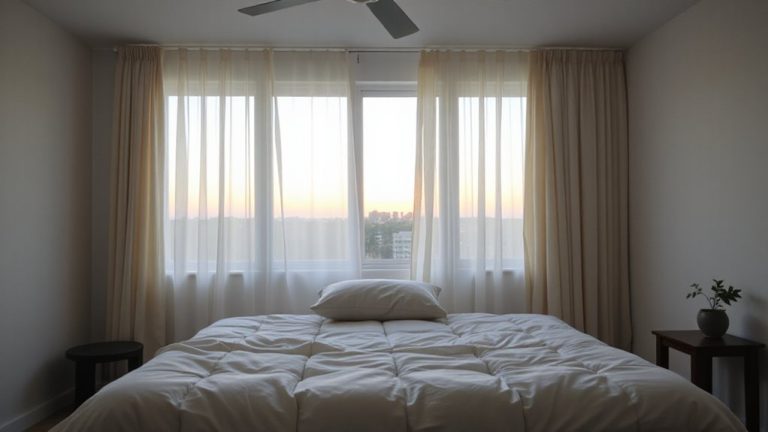
- Using blackout curtains or darkening shades limits morning light exposure and supports phase delay.
What Is Advanced Sleep Phase Disorder (ASPD)?

An early-rising pattern that feels out of your control might be more than just a habit-it could signal Advanced Sleep Phase Disorder (ASPD). You naturally fall asleep and wake up much earlier than intended, often before sunset and rising before dawn. This shift stems from a change in your circadian rhythm, the internal clock regulating sleep and wake times. ASPD isn’t just preference-it’s often tied to genetic predisposition, especially if family members share similar patterns. You might not feel tired later in the evening, making it hard to adjust. While not harmful by itself, it can disrupt social, work, or family life. Recognizing it helps you decide whether to seek light therapy, sleep aids, or behavioral adjustments. Accurate understanding of your circadian rhythm allows for informed choices in managing symptoms effectively, without unnecessary treatment.
Why Your Body Wakes Up Too Early?
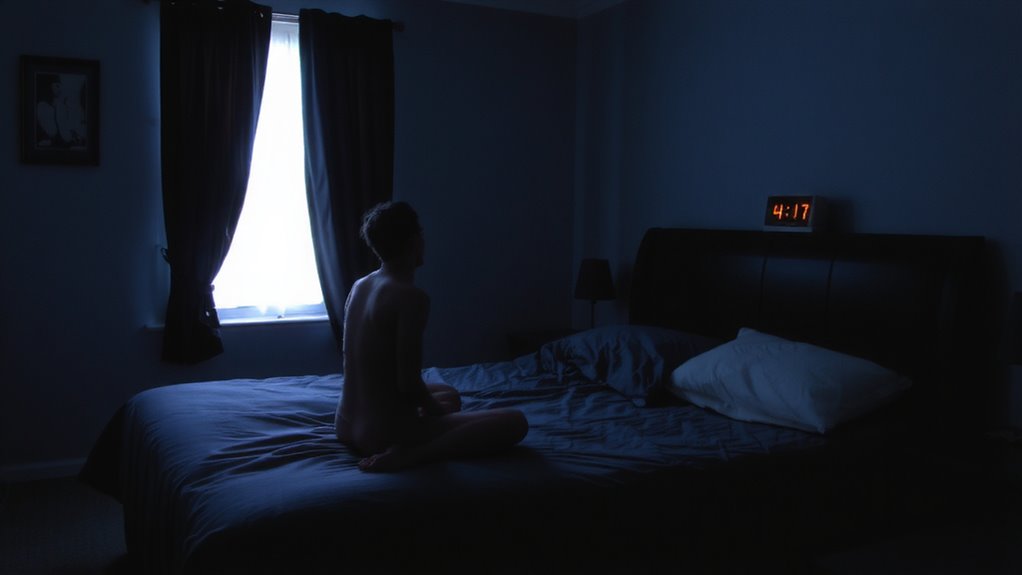
Why does your body insist on waking you before the sun? In advanced sleep phase disorder, your internal clock shifts earlier due to a mix of genetic predisposition and age related changes. If your parents woke early, you might’ve inherited the tendency. Over time, the brain’s sleep-wake signals shift forward, especially after age 50. This isn’t just habit-it’s physiology. Your melatonin rises and falls earlier, triggering sleep onset at 7 or 8 p.m. and wake times before 5 a.m. While not harmful by itself, it can disrupt daily plans or social routines. Understanding the cause helps you decide whether to adjust behaviors or seek treatments. It’s not about willpower-it’s about timing. Tracking your pattern for a week can clarify if this shift is consistent. Knowing this helps you make informed choices about managing your sleep schedule effectively.
How Blocking Morning Light Resets Your Sleep Clock
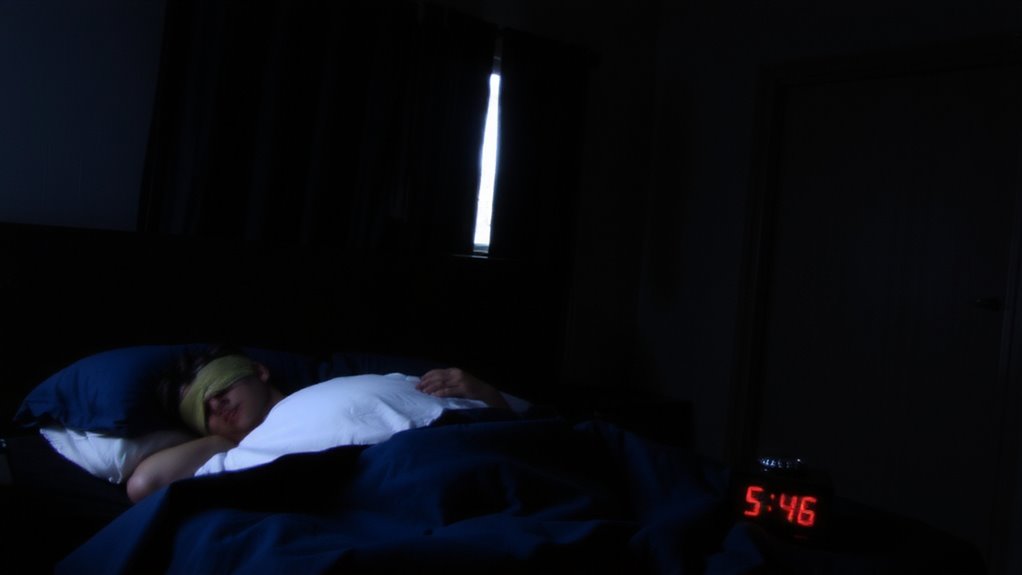
If you’re waking up too early and struggling to stay in sync with daily life, adjusting your light exposure could help shift your sleep schedule back. Your circadian rhythm, the internal clock controlling sleep and wake times, is highly sensitive to light-especially in the morning. When you’re exposed to bright light early, your body thinks it’s time to start the day, reinforcing an earlier sleep-wake cycle. But with advanced sleep phase disorder, that early signal worsens morning light sensitivity, making you wake even earlier. By blocking morning light, you prevent this strong resetting signal to your internal clock. Without that input, your circadian rhythm can gradually shift later. Over days, this reset helps align your sleep with more typical hours. It won’t work overnight, but consistent changes in light timing offer measurable, gradual results. This method supports your body’s natural clock without medication or devices-just careful timing.
Practical Ways to Reduce Morning Light Exposure
How do you keep morning light from shifting your internal clock too early? Simple changes can make a real difference. Use darkening window shades to block outdoor light while still allowing airflow. Wear amber-tinted glasses if you’re up before sunrise. Avoid early walks in the morning, since even overcast daylight affects your circadian rhythm. Instead, schedule outdoor activity later in the day. Consider installing blackout curtains with tight seals around the edges for maximum effectiveness. For optimal results, choose curtains specifically designed for best light-blocking performance.
| Time of Day | Light Risk | Action to Take |
|---|---|---|
| 5–7 AM | High | Close window shades completely |
| 7–8 AM | Moderate | Wear light-blocking glasses |
| 8–9 AM | Moderate | Delay outdoor exposure |
| After 9 AM | Low | Early walks possible if needed |
Evening Habits to Delay Sleep
While your morning light exposure plays a key role in managing advanced sleep phase disorder, what you do in the evening can be just as important for delaying your internal clock. To shift your sleep schedule later, start delaying your bedtime routine by 15-30 minutes each night until you reach your target. Engage in low-light activities, like reading or listening to calm music, to signal your body it’s not time to sleep yet. Avoid screens at least an hour before bed, or use blue light filters if needed. Consistency matters-stick to your new sleep schedule even on weekends to reinforce the change. A structured bedtime routine helps your brain adjust gradually. Dim the lights in your home in the hours before bed to support natural melatonin timing.
On a final note
You can manage advanced sleep phase disorder by limiting morning light, which shifts your internal clock later. Wearing sunglasses outside early or using blackout curtains helps. Pair this with evening light exposure and consistent sleep times to reinforce the change. Results may appear in a few weeks, though individual responses vary. It’s low-risk, reversible, and worth trying before stronger interventions. Track your progress over time to see what works best for your rhythm.