The Role of Sleep Cycle Variability in Predicting Sleep Disorders
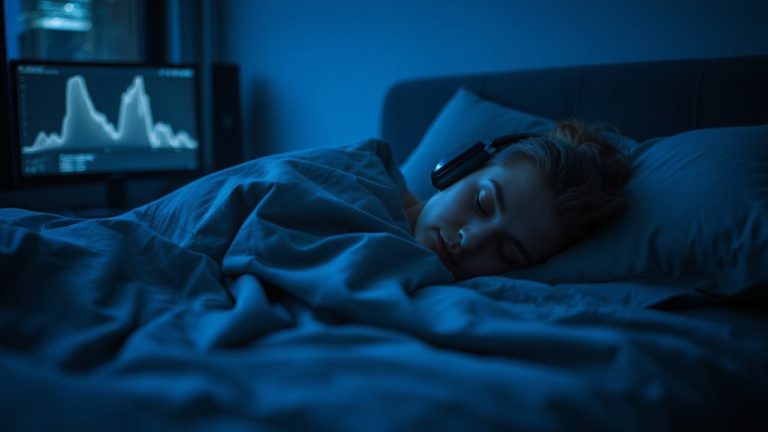
Your sleep cycle varies naturally, but increased inconsistency can signal insomnia, sleep apnea, or narcolepsy. Waking up tired, struggling to fall asleep, or having erratic REM patterns may reflect underlying issues. Wearables and sleep trackers help detect these shifts by monitoring movement, heart rate, and breathing. Spotting trends over time lets you and your doctor spot risks early. Small adjustments to your schedule might improve rest more than supplements. You’ll find clearer insights by examining your sleep data closely.
Notable Insights
- Sleep cycle variability reflects changes in sleep stage patterns, often signaling underlying sleep disorders.
- Increased inconsistency in REM and deep sleep stages may predict insomnia or circadian rhythm disorders.
- Frequent micro-awakenings and irregular sleep architecture are linked to sleep apnea.
- Wearable trackers and polysomnography help detect variability patterns associated with narcolepsy and other disorders.
- Persistent sleep cycle disruptions, even with adequate duration, can serve as early warning signs for clinical evaluation.
What Sleep Cycle Variability Really Means
While your body follows a natural rhythm each night, sleep cycle variability refers to the changes in length and order of the stages you pass through during sleep, including light sleep, deep sleep, and REM. Your sleep architecture-the structure of these cycles-can shift due to stress, lifestyle, or health, making patterns less predictable. Though your circadian rhythm guides the overall timing, small nightly differences are normal. But when variability increases consistently, it may signal underlying imbalances. Monitoring helps you understand your personal sleep norms and detect meaningful changes over time. Some wearables track stages and cycle length, offering insights into your nightly recovery. These tools don’t replace clinical testing but can inform conversations with doctors. You can assess whether adjustments-like sleep aids or schedule shifts-are helping or harming. Tracking over weeks gives clearer data than single-night impressions, supporting better, evidence-based decisions about your sleep health.
Early Red Flags in Your Sleep Patterns
How do you know when restless nights are more than just a temporary phase? Pay attention to patterns. If you’re frequently waking up tired, struggling to fall asleep, or feeling unrested despite enough time in bed, these could be early red flags. Using sleep tracking can reveal inconsistencies you might overlook-like fluctuating REM cycles or frequent awakenings. These tools help you gather data over time, giving clearer insights into your sleep health. Another clue? Poor bedtime consistency. Going to bed and waking up at different times daily disrupts your body’s rhythm, making quality rest harder to achieve. Small shifts in routine or environment can compound, affecting how well you recharge. Recognizing these signs early allows for better decisions-whether adjusting habits, trying sleep aids, or consulting a specialist. Don’t ignore repeated warnings from your own patterns. For more accurate monitoring, consider using best sleep quality monitors to track key metrics effectively.
How Variability Predicts Insomnia, Apnea, and Narcolepsy
What if your sleep’s unpredictability is more than random-what if it’s signaling something specific? High variability often points to underlying disorders. Circadian misalignment disrupts your internal clock, skewing sleep timing, while neural instability interferes with shifts between sleep stages. Together, they form patterns that predict conditions like insomnia, apnea, and narcolepsy.
| Disorder | Variability Marker |
|---|---|
| Insomnia | Fragmented REM, delayed onset |
| Sleep Apnea | Frequent micro-awakenings, oxygen dips |
| Narcolepsy | Sudden REM entries, unstable cycles |
| General | Circadian misalignment, neural instability |
Tracking these changes helps determine whether lifestyle shifts, medical evaluation, or targeted therapies might help. You don’t need a diagnosis to start observing trends-consistency in data collection improves insight. Recognizing these signals early supports better decisions about when to seek support or adjust routines for improved rest.
Tools That Detect Hidden Sleep Cycle Changes
Could your nightly rest reveal more than you think? Modern tools can uncover hidden shifts in your sleep architecture and circadian rhythms, giving clearer insight into potential disorders. Wearable trackers, like smartwatches with actigraphy, monitor movement and heart rate to estimate sleep stages and detect irregularities over time. They’re convenient, non-invasive, and often include apps that visualize your patterns. For deeper analysis, home sleep tests use sensors to record breathing, oxygen, and brain activity-ideal for spotting apnea-related disruptions. Polysomnography, performed in labs, remains the gold standard, offering full mapping of sleep architecture. Some devices offer trial periods or limited warranties, letting you test accuracy. While consumer tools won’t replace clinical diagnosis, they help identify trends worth discussing with a provider, especially when symptoms persist. Leading models such as the best sleep-tracking smartwatches combine advanced sensors with long-term pattern analysis to enhance nightly sleep assessments.
Personalizing Treatment With Sleep Cycle Data
Why not let your sleep data work for you when shaping a treatment plan? With sleep tracking, you gain insights into your nightly patterns, spotting shifts in cycle length or disruptions others might miss. This info helps doctors tailor solutions that match your actual rhythm, not just general guidelines. You might discover your best rest comes from adjusting bedtime by 30 minutes to improve circadian alignment, rather than using supplements. Devices with reliable tracking can monitor movement, heart rate, and even breathing, offering a clear picture over time. When treatments are based on your unique data, they’re more likely to stick. Some apps sync with wearable trackers and provide reports usable in medical visits. Always check if devices offer trial periods or warranties. It’s not about perfect data-it’s about consistent, usable details that help you and your provider make smarter, informed choices together.
On a final note
You can use sleep cycle data to catch early signs of disorders like insomnia or apnea before symptoms worsen. Wearable trackers and sleep studies detect variability in REM and deep sleep, helping doctors tailor treatments. Some devices offer warranties or trial periods, so test them a few weeks to see how well they track your patterns. While not all tools are medical-grade, consistent data helps you and your provider make informed choices about therapy or aids.