How Advanced Sleep Phase Disorder Leads to Early Morning Awakenings
You feel sleepy early, maybe by 7 or 8 p.m., because your body releases melatonin sooner than usual. This shift in your internal clock also makes you wake up wide awake at 3 or 4 a.m., even if you tried to sleep later. Advanced Sleep Phase Disorder isn’t just being a morning person-it’s a biological change in your circadian rhythm. Light exposure and timed melatonin can help adjust your schedule, and exploring the full picture gives you clearer options.
Notable Insights
- ASPD shifts the internal body clock earlier, causing sleep onset and wake times to occur several hours ahead of the typical schedule.
- Melatonin levels rise in the late afternoon, signaling early sleep onset and contributing to early morning awakenings.
- The circadian rhythm is biologically advanced, leading to natural awakening in the early morning, often between 3 a.m. and 4 a.m.
- Genetic factors predispose individuals to ASPD, with family members often sharing similar early sleep-wake patterns.
- Early melatonin release and altered circadian timing prevent sustained sleep into the later morning hours, despite adequate sleep duration.
What Is Advanced Sleep Phase Disorder?
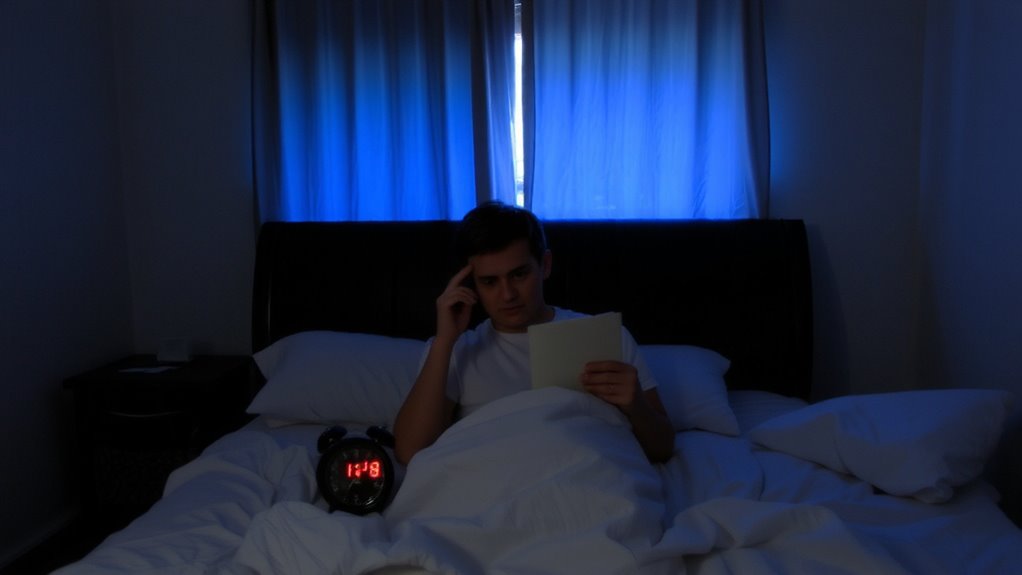
What if your body clock simply ran ahead of everyone else’s? That’s exactly what happens with Advanced Sleep Phase Disorder (ASPD). You feel sleepy early in the evening, often by 7 or 8 p.m., and wake up wide awake by 3 or 4 a.m., unable to return to sleep. This isn’t just preference-it’s a shift in your internal rhythm. Your melatonin levels rise earlier than usual, signaling sleep well before social norms. Over time, this alters your sleep architecture, shortening REM and deep sleep phases if you resist the urge to sleep early. Diagnosis usually involves sleep logs or actigraphy to track patterns over days. Light therapy in the evening or low-dose melatonin at bedtime may help adjust timing, but consistency matters. Treatment aims to align your natural rhythm with daily demands, improving sleep quality without forcing change. Always consult a sleep specialist before starting any regimen.
Could You Have ASPD? Common Signs and Symptoms
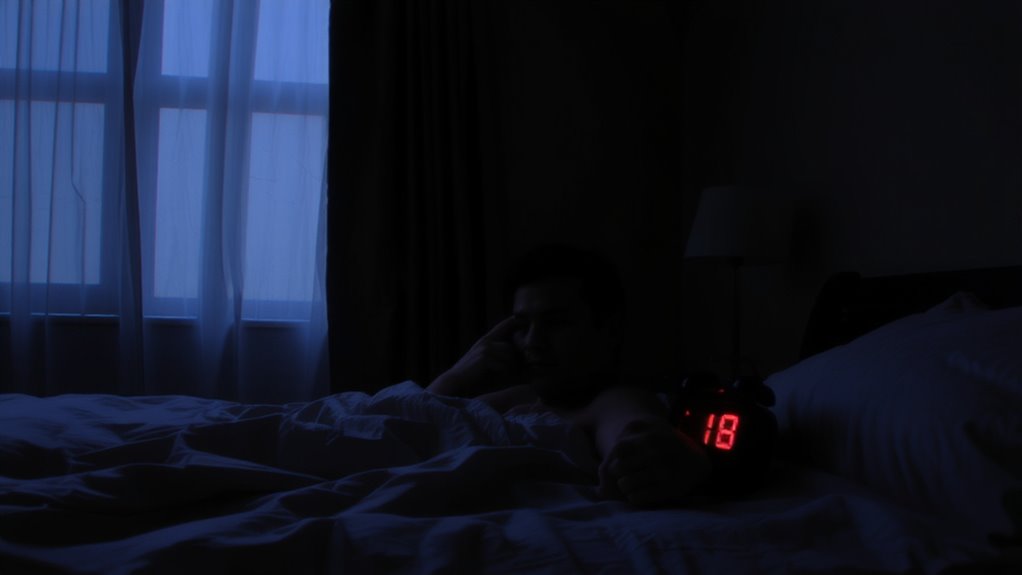
You might already know the basics of how your body clock shifts earlier in Advanced Sleep Phase Disorder, but what if that early sleepiness and predawn wake-up call are more than just quirks? If you regularly feel tired by 7 or 8 p.m. and wake up wide awake at 3 or 4 a.m., even on weekends, it could be ASPD. These patterns persist despite effort to adjust, and they often run in families-hinting at a genetic predisposition. Age factors also play a role, as symptoms typically emerge in middle adulthood. You may find social or work obligations hard to manage when your natural rhythm doesn’t align. While not dangerous, the mismatch can affect quality of life. Recognizing these signs helps you decide whether to track sleep patterns or consult a specialist. Treatment options exist, but first, confirming the symptoms is key.
Why ASPD Makes You Sleep and Wake Early
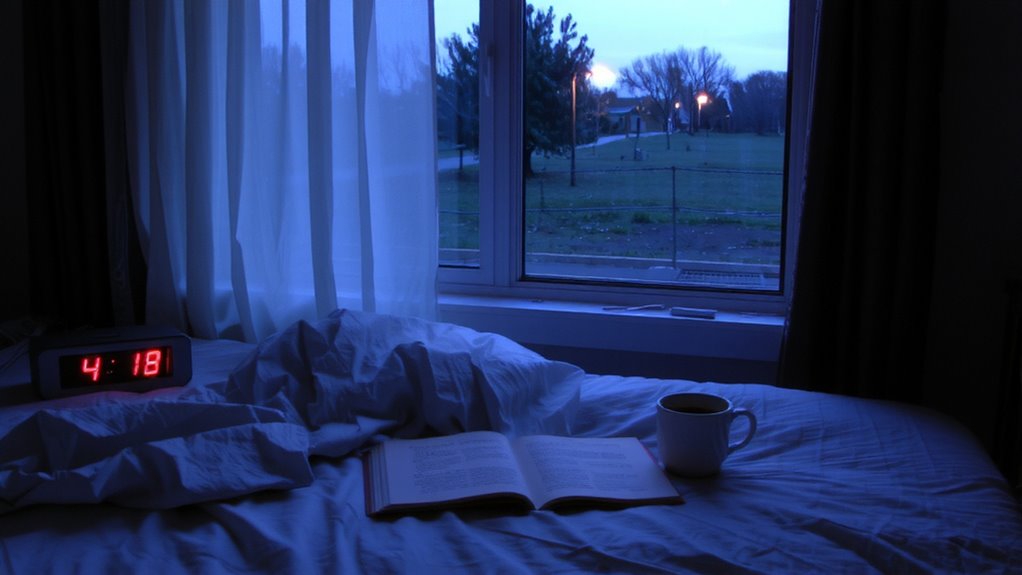
Though your internal body clock usually aligns with daylight and darkness, in Advanced Sleep Phase Disorder (ASPD), that rhythm shifts forward by several hours, making you feel sleepy earlier in the evening and rousing you long before sunrise. This shift isn’t just habit-it’s often tied to a genetic predisposition, with research showing family patterns in many cases. Your body begins releasing melatonin earlier than average, sometimes in late afternoon, which signals sleepiness well before bedtime. This altered melatonin timing directly impacts when you fall asleep and wake, locking you into an early schedule. While it may seem manageable, it can disrupt social or work routines over time. Understanding your body’s natural patterns helps you make informed choices about sleep strategies. Treatments like timed light exposure or melatonin supplements may help adjust timing, but consistency and medical guidance improve effectiveness.
How Light and Timing Affect Your Circadian Rhythm
Why does a simple walk outside in the evening help you fall asleep later, while bright lights in the morning make waking easier? Because light directly shapes your circadian rhythm. Your body notices natural light changes, especially blue light, to decide when to raise or lower melatonin levels. Exposure to bright light in the early morning-like sunlight-signals your brain to suppress melatonin, helping you feel alert. In contrast, too much blue light at night, from screens or LEDs, can delay melatonin release, pushing sleep later. Timing matters just as much as brightness. Morning light advances your internal clock, while evening light delays it. For better alignment, consider timed light therapy devices with adjustable intensity. Many offer 10,000 lux settings and carry a 1-year warranty, making them practical tools to trial.
Why Advanced Sleep Phase Disorder Isn’t Just ‘Being a Morning Person
While some people naturally prefer mornings, advanced sleep phase disorder (ASPD) goes beyond just liking an early start-it’s a circadian rhythm condition that shifts your sleep-wake cycle several hours ahead of typical patterns. You might fall asleep by 7 or 8 p.m. and wake at 3 or 4 a.m., not by choice but due to built-in biological timing. This isn’t simply a matter of habit or behavioral patterns; ASPD often stems from a genetic predisposition, with research linking it to specific gene mutations. Unlike morning larks who adapt easily, you may struggle to stay awake in the evening or function socially. Recognizing this difference helps determine whether adjustments in light exposure, sleep aids, or professional treatment are needed. It’s not about preference-it’s about how your body’s internal clock is wired. Understanding the cause guides better choices for managing sleep health.
How ASPD Impacts Daily Life and Social Health
You may find your evenings winding down long before social events begin, and that’s not simply a matter of routine-it’s how advanced sleep phase disorder (ASPD) reshapes your daily rhythm. By 7 or 8 p.m., you’re already fighting sleep, missing dinners, parties, or time with friends, which can lead to social isolation. You’re not avoiding people-you’re battling biology. Similarly, family conflict might arise when your schedule clashes with household routines, especially if others stay up late. Your early bedtime and sunrise wake times can make shared activities difficult, causing tension. Though well-meaning, loved ones might not grasp that your sleep pattern isn’t by choice. These recurring mismatches strain relationships and limit participation in group life. Over time, the imbalance affects emotional well-being, even if you feel rested. Recognizing ASPD’s role helps clarify these struggles aren’t about disinterest, but misaligned circadian timing.
How to Treat ASPD and Adjust Your Sleep Schedule
If your body clock runs ahead of most people’s, shifting your sleep cycle later can help align your rhythm with everyday life. You can do this by practicing good sleep hygiene-going to bed at the same time each night, avoiding bright lights in the evening, and limiting caffeine after noon. Melatonin therapy, taken in low doses about 2–4 hours before bedtime, may also help delay your internal clock. Exposure to evening light, especially blue-enriched light, supports this shift by signaling your brain to stay alert. Start with 0.5 mg of melatonin and adjust only if needed, under a doctor’s guidance. These methods work best when combined and used consistently. Results may take several days to notice, and individual responses vary. Always consult a sleep specialist to rule out other conditions and tailor treatment to your needs.
On a final note
You might confuse ASPD with simply being a morning person, but it’s a real circadian rhythm disorder that forces early sleep and wake times, often disrupting work or social life. If symptoms persist, consult a sleep specialist. Treatments like light therapy or timed melatonin can help reset your internal clock. Many find relief with consistent sleep schedules. Check device warranties if using light boxes, and always trial changes under guidance to safely adjust your rhythm.