Innerspring Mattress Lifespan: When to Replace for Health and Comfort
Your innerspring mattress likely lasts 7 to 10 years, but wear signs mean it’s time to contemplate a replacement. If you wake up stiff, notice sagging, or hear spring noise, your spine may not be properly aligned. Persistent back pain, poor sleep quality, and visible lumps suggest support has deteriorated. Shifts in comfort, motion transfer, or allergen buildup also impact rest. Rotating it regularly and using a good foundation can help. Better materials and designs now offer improved support, and exploring them could be worth your time.
Notable Insights
- Replace your innerspring mattress every 7 to 10 years to maintain proper spinal support and sleep quality.
- Sagging coils or visible indentations indicate structural failure and can lead to back pain and poor alignment.
- Persistent morning stiffness or increased pain signals declining mattress support and the need for replacement.
- Increased motion transfer and discomfort during sleep suggest worn coils and reduced responsiveness.
- Allergen buildup and fabric wear compromise hygiene and comfort, warranting a new, cleaner mattress.
Average Lifespan of Innerspring Mattresses
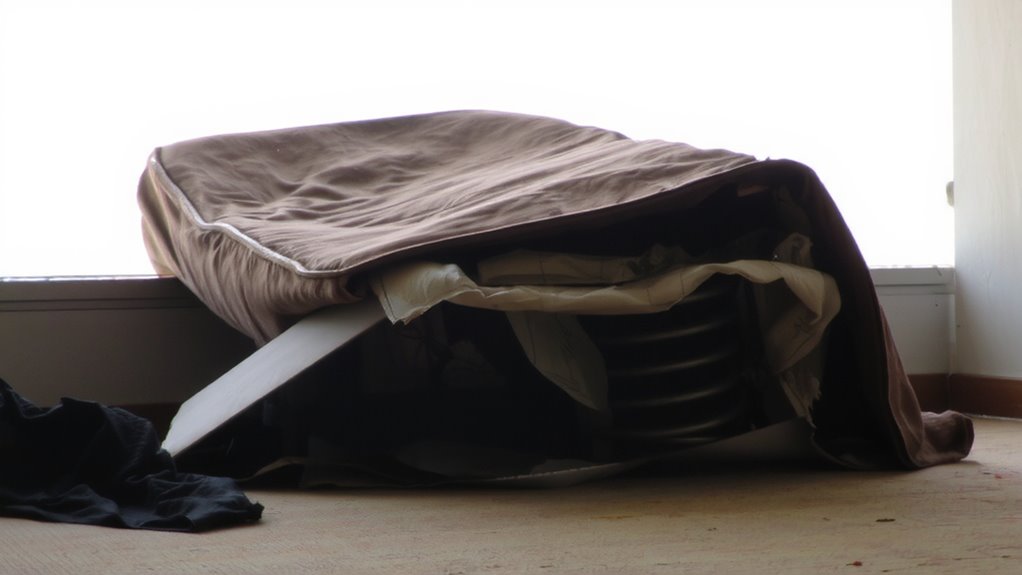
Most innerspring mattresses last between 7 and 10 years, though how long yours holds up depends on build quality, usage, and care. You’ll likely notice material degradation over time, especially in the foam layers that cushion the coils-these break down with body weight and heat, reducing comfort and support. Coil fatigue is another key factor; repeated pressure weakens the springs, making them less responsive and leading to sagging. Higher gauge wires and pocketed coils tend to resist fatigue longer, offering better durability. If you sleep hot or move often, wear may accelerate. Rotating your mattress and using proper foundation support can slow deterioration. Many brands offer 10-year warranties, but they often cover only structural flaws, not gradual wear. Considering your sleep quality and any discomfort helps you gauge when replacement makes sense, supporting healthier rest without waiting for obvious damage.
5 Signs You Need a New Innerspring Mattress
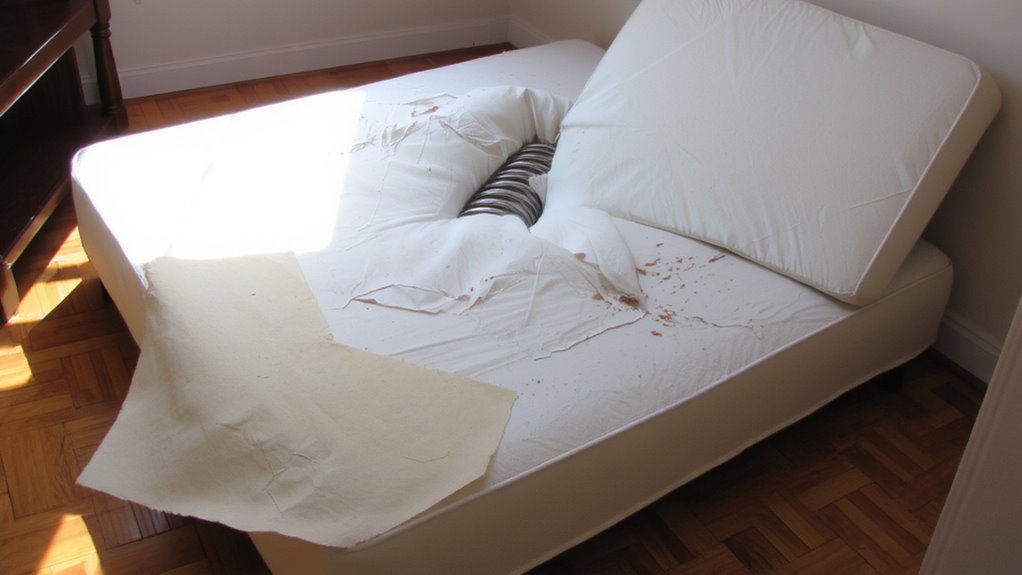
You’ve probably noticed little changes over time-your back feels stiffer in the morning, or you wake up more often during the night. These could be signs your innerspring mattress isn’t supporting you like it used to. If you toss and turn frequently, it might be due to increased motion transfer, especially if you share the bed-older coils don’t isolate movement well, disturbing your partner. Another red flag is allergen buildup; dust mites, dead skin, and mildew collect in the fibers over time, potentially worsening allergies or respiratory issues. You might also notice visible wear, like lumps or thinning fabric. While some discomfort is normal, persistent poor sleep isn’t. Consider how long you’ve had the mattress and whether your warranty still covers replacements. A trial period from a new brand might help you test alternatives risk-free. These factors together can guide a practical, informed decision about upgrading for better rest.
How Sagging Innerspring Coils Affect Spine and Sleep
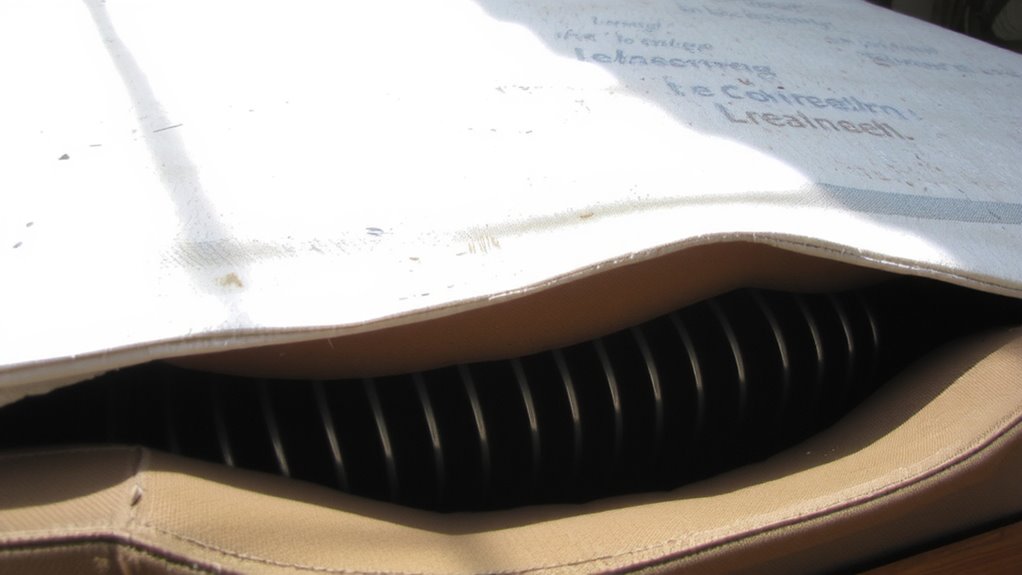
Why does your back ache more in the morning than it used to? Sagging innerspring coils can’t support your body like they used to, leading to spinal misalignment while you sleep. When the coils lose tension, they create uneven surfaces that exaggerate pressure points, especially in your hips and shoulders. This strains muscles and interrupts sleep cycles, often worsening existing sleep disorders. Over time, poor spinal alignment may contribute to chronic discomfort, reducing sleep quality night after night. You might find yourself tossing and turning, trying to find a comfortable position that no longer exists on the worn surface. Even with added sleep aids like pillows or toppers, the core issue-failing coil support-remains. A mattress with compromised coils can’t properly distribute your weight, making it harder to maintain restful, uninterrupted sleep. Addressing the foundation of support helps improve comfort and long-term spinal health. For those seeking relief, choosing one of the best mattresses for back pain relief can significantly improve spinal alignment and overall sleep quality.
When to Replace an Innerspring Mattress
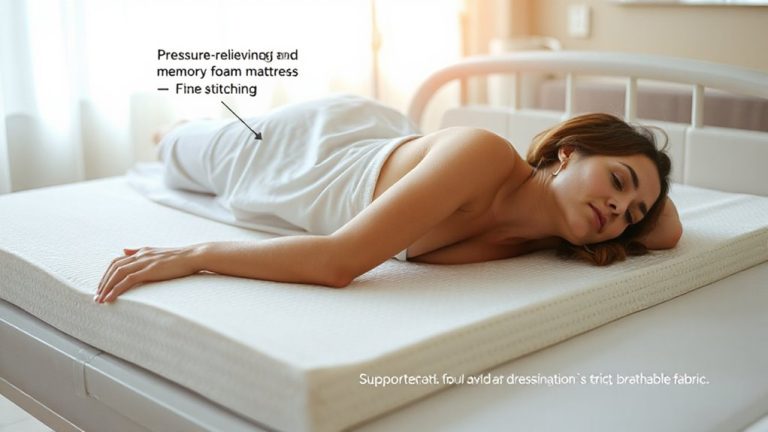
How do you know when it’s truly time to let go of your innerspring mattress? You’ve likely passed the 7- to 10-year mark, common for innerspring lifespan. If you wake stiff or notice visible sagging, lumps, or spring noise, support is failing. Poor alignment may worsen sleep quality or aggravate back pain. You might toss and turn more, indicating your mattress no longer meets your body’s needs. Consider replacement if comfort layers are thin or worn. Today, memory foam offers pressure relief and motion isolation, while hybrid options combine innerspring coils with foam or latex for balanced support and comfort. Many include trial periods and strong warranties, letting you test risk-free. Upgrading isn’t just about comfort-it can improve sleep hygiene. Evaluate your rest quality honestly. When repairs or toppers no longer help, it’s time to explore newer, more supportive builds designed for better long-term sleep.
Best Mattresses to Replace a Worn Innerspring
Now that you’re ready to move on from a worn innerspring, it’s worth considering what kind of support and comfort you truly need. Memory foam and hybrid options offer distinct benefits depending on your sleep habits and physical needs. Memory foam contours closely, helping reduce pressure points, which can be helpful if you experience joint pain or sleep disorders like insomnia. Hybrid options combine coil support with foam or latex layers, delivering breathability and balanced firmness-ideal if you tend to overheat or shift positions at night. Below is a comparison to guide your choice:
| Feature | Memory Foam | Hybrid Options |
|---|---|---|
| Support | Even body contouring | Balanced, responsive |
| Cooling | Moderate (varies by gel infusions) | Better airflow |
| Motion Isolation | Excellent | Good to excellent |
| Trial/Warranty | Often 10-year warranty, 100-night trial | Similar terms, brand-dependent |
Choose based on comfort, temperature, and motion needs.
How to Make Your Innerspring Mattress Last Longer
A well-maintained innerspring mattress can deliver solid support and comfort for many years, especially when you take steps to protect its structure and materials. Regular mattress rotation, every three to six months, helps distribute wear evenly and prevents sagging in common pressure zones. This simple habit extends lifespan and maintains consistent feel over time. Always use a proper foundation, like a solid platform or manufacturer-recommended box spring, to support the coils and prevent premature strain. A weak or broken base can warp the internal structure, reducing performance and durability. Keep the mattress clean with a breathable protector to guard against stains and allergens. Avoid jumping or sitting on the edges, which can bend or damage the innerspring system. Proper care doesn’t stop comfort-it supports long-term spinal alignment and sleep quality, helping you delay replacement without sacrificing rest.
On a final note
You’ll know it’s time to replace your innerspring mattress when support fades, sagging forms, or sleep feels restless. Most last 7–10 years, depending on coil count, materials, and use. Upgrading to hybrids or memory foam can improve spinal alignment and reduce motion transfer. Look for models with trial periods and prorated warranties to test comfort risk-free. Choosing the right replacement helps maintain healthy sleep patterns and may ease related discomfort over time.