Chronobiology 1.0 to 2.0: Advancements in Understanding and Utilizing Personal Body Clock Information
You’re tracking your sleep and daily rhythms, but Chronobiology 2.0 uses wearables to give real-time insights, syncing with apps that analyze heart rate, movement, and sleep stages over 7-day cycles. Genetic markers like *PER* and *CLOCK* help pinpoint predispositions to delays or disruptions. Timing medications and meals to your phase can improve effectiveness and metabolism. Devices with water resistance and sleep staging help refine your schedule, and with consistent data, you’ll start to see clearer patterns in your body’s responses.
Notable Insights
- Chronobiology 2.0 integrates light exposure research to fine-tune circadian rhythm regulation and improve daily alertness.
- Wearable devices enable real-time monitoring of sleep, activity, and heart rate to personalize circadian timing insights.
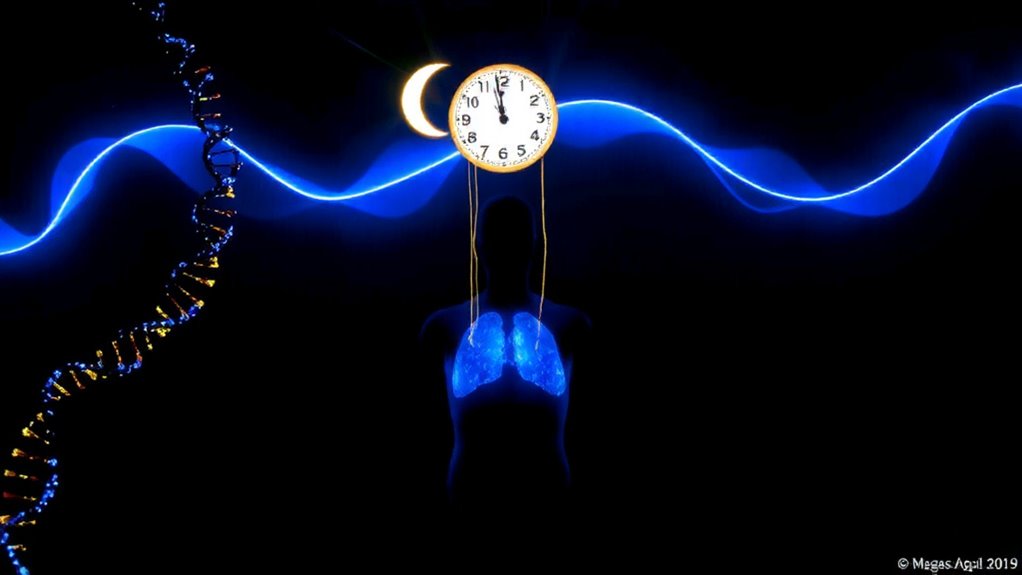
- Genetic research on *PER*, *CLOCK*, and *BMAL1* genes reveals individual differences in sleep-wake cycles and disorder risks.
- Circadian dosing of medications optimizes efficacy by aligning treatment with daily fluctuations in drug metabolism.
- Consistent meal timing, exercise schedules, and sleep routines enhance circadian alignment for better metabolic and cognitive health.
How Chronobiology 2.0 Upgrades Your Health Timing
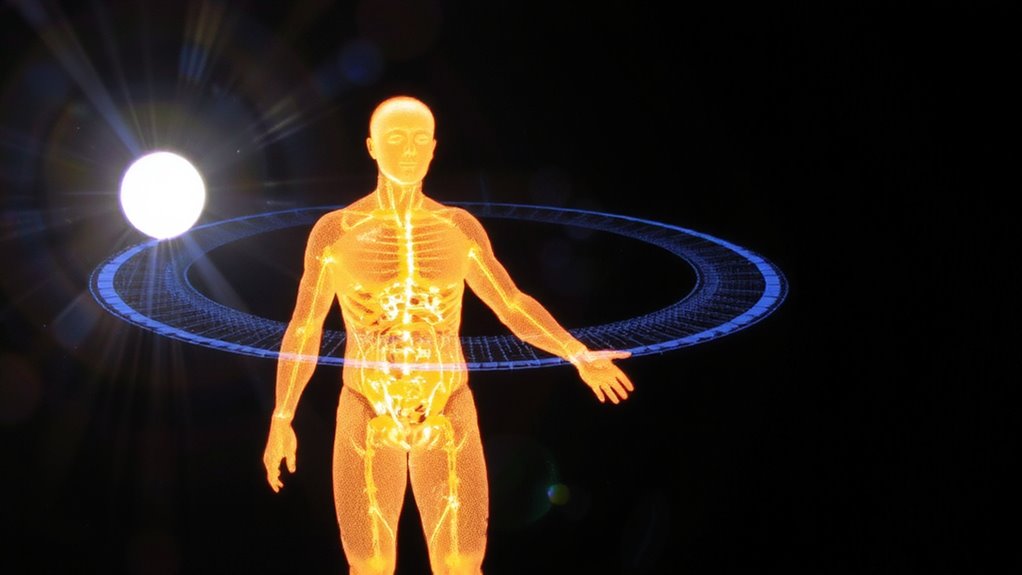
Ever wonder why your body feels more alert at certain times of day or why sleep doesn’t always come easily, even when you’re tired? That’s your internal clock at work. Chronobiology 2.0 fine-tunes this understanding, using research on light exposure to shape your daily rhythm. Morning light boosts mental alertness and sets your body’s timing, while evening brightness can delay sleep. Now, tailored schedules match your biology-helping you sleep better, wake easier, and stay focused. You’ll see real shifts when aligning routines with natural cues instead of fighting them. Devices and apps suggest ideal times for rest or activity, based on your patterns. Some even simulate sunrise to ease waking. Trial periods let you test strategies risk-free. It’s not about one fix for all, but smart adjustments that fit your life-supporting healthier choices with science, not guesswork. Best sleep apps for Apple Watch provide personalized insights using sleep tracking data to further refine your circadian alignment.
How Wearables Reveal Your Real-Time Body Clock
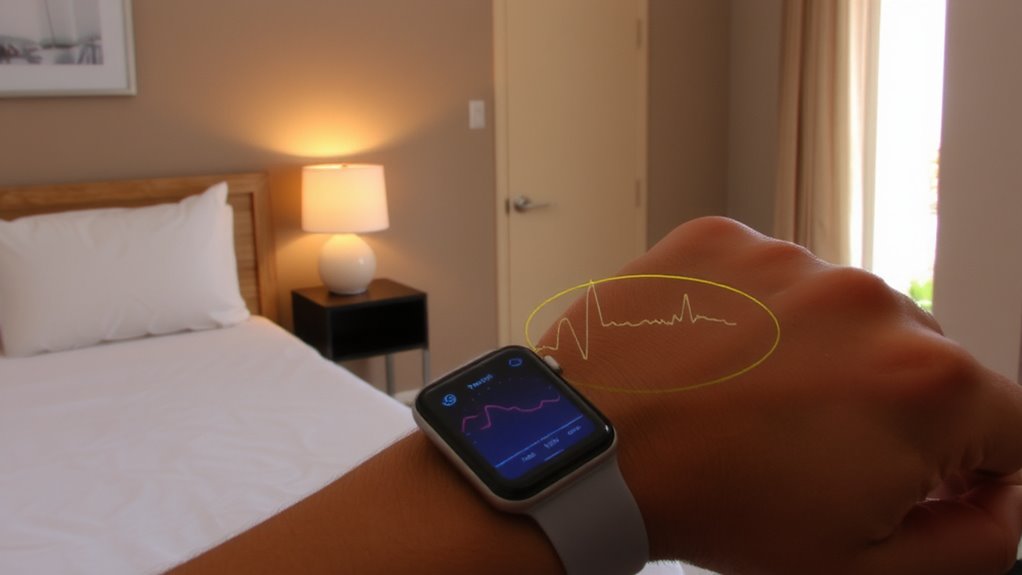
How do you know when your body is truly ready for sleep or primed for peak focus? Modern wearables now give you real-time insights into your body clock through continuous sleep tracking and activity monitoring. These devices detect patterns in heart rate, movement, and rest, offering a clearer picture of your daily rhythm. By analyzing data over time, they help you identify ideal windows for sleep, exercise, or concentrated work. If you’re noticing delays in falling asleep or frequent nighttime awakenings, sleep tracking can flag potential inconsistencies. Activity monitoring complements this by showing how daily behavior-like screen time or exercise timing-impacts your rhythm. Most devices sync with apps that highlight trends and offer adjustable alerts. Look for models with at least 7-day battery life, water resistance, and a 1-year warranty for reliable long-term use. Top devices even provide detailed sleep staging and best sleep-tracking smartwatches are rated for accuracy and user experience.
Your Genes’ Role in Circadian Rhythm Control
| Gene | Function | Impact on Rhythm |
|---|---|---|
| *PER* | Controls cycle timing | Delayed sleep with mutation |
| *CLOCK* | Activates rhythm genes | Altered allele expression |
| *BMAL1* | Promotes wakefulness | Disrupted by genetic variation |
Understanding your genetic background can guide choices about sleep schedules or interventions. While not everyone needs testing, recognizing inherited patterns helps you assess risks and respond early if sleep problems arise.
Why Drug Effectiveness Depends on Timing
Your body’s internal clock doesn’t just shape when you feel awake or tired-it also influences how well medications work. Drug metabolism changes throughout the day, meaning the same pill can have different effects depending on when you take it. Enzymes that break down drugs follow circadian rhythms, so timing affects how fast or slow a drug clears from your system. Circadian dosing uses this knowledge to give medications when your body will respond best. For sleep aids, this might mean taking them earlier or later based on your personal rhythm, not just at bedtime. If you have a sleep disorder, aligning treatment with your body’s natural cycles can improve results. Some trials show timed dosing increases effectiveness while reducing side effects. It’s not just about which drug, but when. New tools now help track rhythms, guiding smarter choices. Always check with your provider before changing your routine.
When to Eat, Sleep, and Train for Peak Performance
When should you eat, sleep, or hit the gym for the best results? Your body’s internal clock plays a big role in how well it responds to meal timing and exercise timing. For most people, eating breakfast soon after waking helps regulate metabolism, while having larger meals earlier in the day supports better digestion and energy use. Going to bed and waking at consistent times-even on weekends-supports deeper, more restorative sleep. If you struggle with sleep onset, limiting screen time before bed can help. Morning workouts may boost focus and consistency, while afternoon exercise often aligns with peak body temperature and strength. You don’t need extreme changes; small, steady adjustments to when you eat, sleep, and train can enhance daily performance over time. Trial different routines for two to three weeks to see what works best for your rhythm.
Can AI Predict Your Best Daily Health Schedule?
Scientists are now using artificial intelligence to fine-tune the timing of daily habits based on individual biology. You can benefit from AI accuracy when determining the best times to sleep, eat, or exercise, since algorithms analyze your body’s signals like heart rate, temperature, and sleep patterns. This level of schedule personalization helps identify when you’re most alert or when rest is essential. If you struggle with sleep disorders, AI tools may detect patterns linked to poor sleep quality and suggest ideal bedtimes. Some apps even integrate with wearables to adjust recommendations over time. While no system is perfect, high AI accuracy improves consistency. Consider trying platforms offering free trials and clear data privacy policies. Look for ones that allow manual input and provide detailed feedback, helping you make informed choices about sleep aids or routine changes without locking you in.
On a final note
You now know your body’s clock affects sleep, health, and performance. Wearables and genetic insights help you track rhythms, while timing meals, meds, and workouts can boost results. If sleep issues persist, consider clinically backed aids-many offer trial periods and clear warranties. Review features like ease of use and data accuracy. Test options carefully, matching them to your habits. Small, informed adjustments improve long-term outcomes without drastic changes.