How Light Exposure at Night Can Disrupt Your Internal Biological Timing System
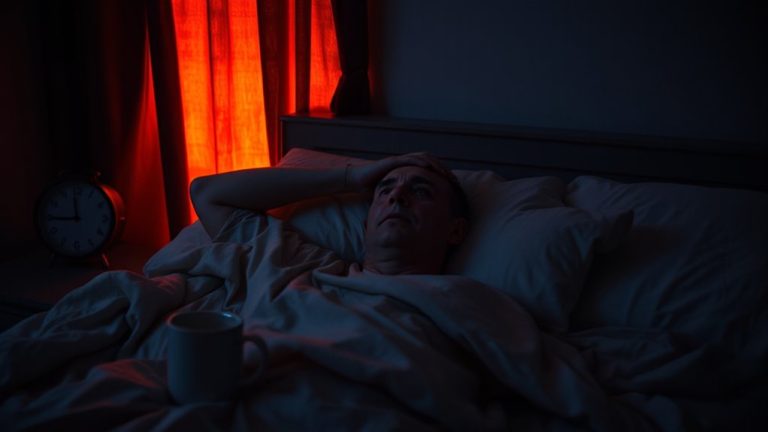
Your body’s internal clock relies on natural light cues, but nighttime exposure to artificial light-especially blue light from screens and bright bulbs-tricks your brain into staying alert. It suppresses melatonin, delaying sleep and shifting your circadian rhythm later. This disruption affects sleep quality and may increase health risks over time. Using dim, warm lighting and reducing screen use before bed helps reset your system. Small changes support better timing-and what you do next could make a bigger difference than you think.
Notable Insights
- Light at night suppresses melatonin, delaying sleep onset and disrupting circadian rhythms.
- Blue-rich light from screens mimics daylight, tricking the brain into staying alert.
- Evening exposure to artificial light shifts the sleep-wake cycle later over time.
- Even dim light can interfere with internal biological timing within one hour of bedtime.
- Chronic nighttime light exposure impairs hormone balance, metabolism, and immune function.
Why Screen Light Keeps You Awake
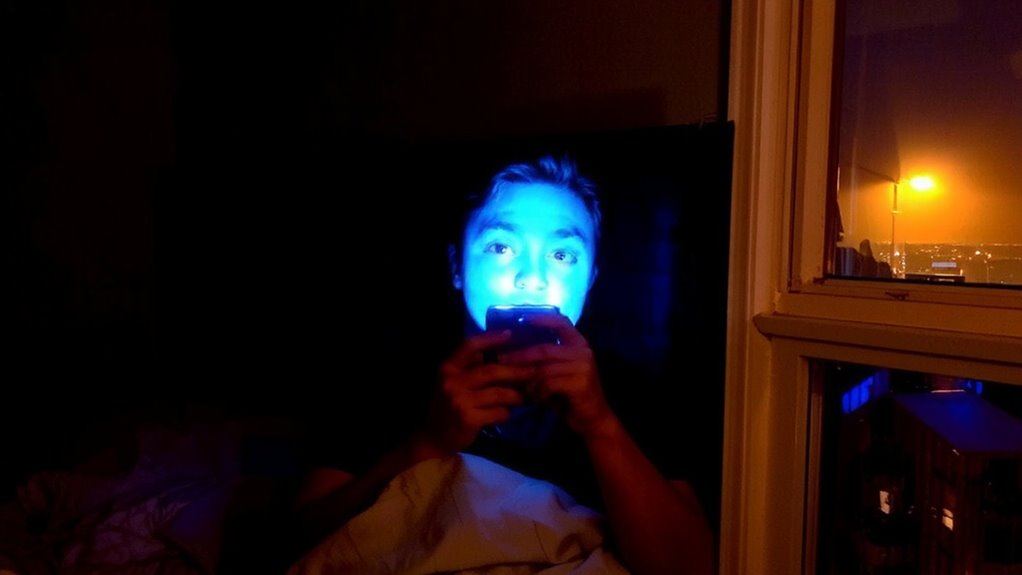
While your body’s meant to wind down as night sets in, the light from screens on phones, tablets, and computers can trick your brain into staying alert. This artificial glow causes circadian confusion, sending mixed signals about day and night. Specifically, blue-rich light leads to melatonin suppression, reducing the hormone your body needs to prepare for sleep. Without enough melatonin, falling asleep takes longer, and sleep quality often suffers. You might not realize how much screen time affects your internal clock until you cut back and notice small improvements. If you use devices at night, consider options like built-in night modes or blue-light filters. These features reduce harmful wavelengths and may lessen disruption. Over time, adjusting screen use can support healthier sleep patterns-no special products required, just mindful habits backed by consistent results.
How Light Disrupts Your Sleep Schedule
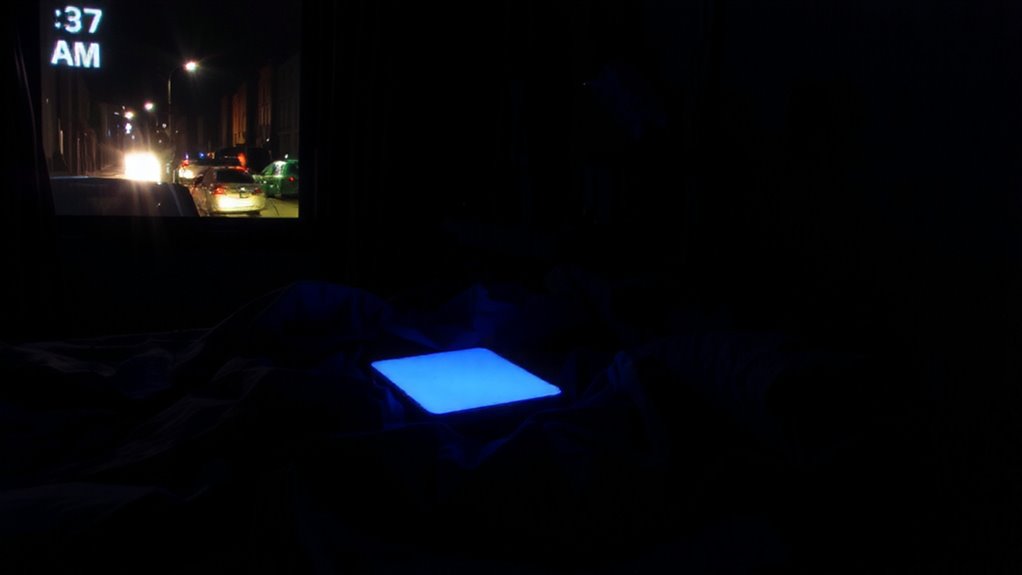
You’re not imagining it-staring at screens late into the night does more than keep you wired; it shifts your entire sleep schedule off track. Light exposure at night triggers melatonin suppression, reducing the sleep hormone your body needs to wind down. This leads to circadian delay, pushing your internal clock later and making it harder to fall asleep at a consistent time. Over time, this disruption can affect sleep quality and contribute to long-term sleep issues. Those exploring non-pharmaceutical support may find CBD sleep gummies helpful in complementing healthy sleep hygiene practices.
| Factor | Effect on Sleep Schedule |
|---|---|
| Melatonin suppression | Delays sleep onset, reduces sleep drive |
| Circadian delay | Shifts natural sleep-wake cycle later |
Understanding these effects helps inform choices about evening routines and potential use of sleep aids. Consider timing and light type-some options are more compatible with natural rhythms. Trial periods with adjustable lighting or wearable sleep trackers may offer personalized insights. Warranties on devices can support long-term adjustments.
Blue Light Sources in Your Evening Routine
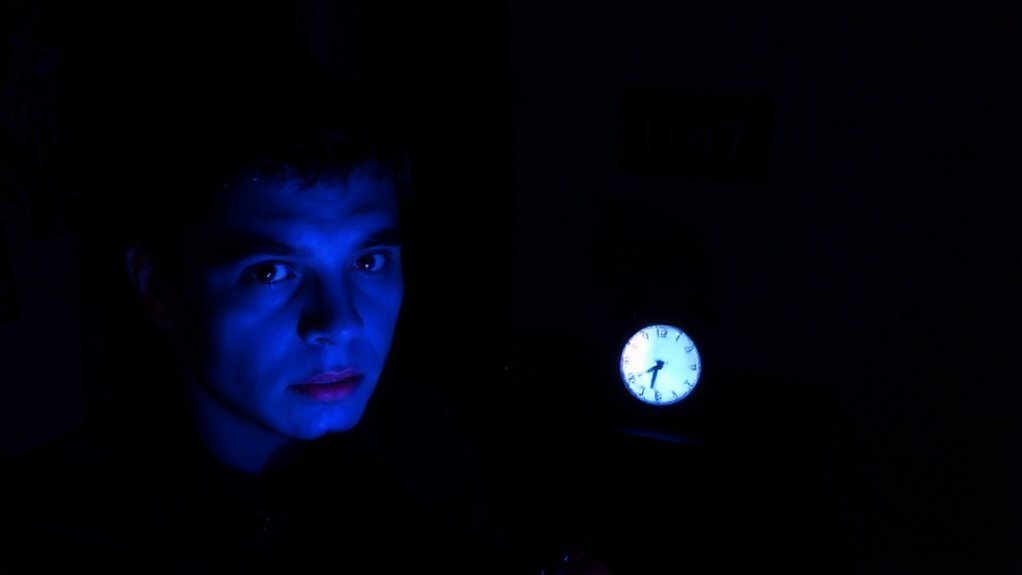
What keeps you up at night might be hiding in plain sight-your phone, tablet, or overhead lights emitting blue-rich light that interferes with your body’s natural shift to sleep. These common evening light sources disrupt your circadian rhythm by tricking your brain into thinking it’s still daytime. That shift reduces melatonin production, leading to melatonin suppression just when you need it most. Without enough melatonin, falling asleep takes longer and sleep quality often drops. Even dim screens contribute, especially if used within an hour of bedtime. You don’t have to eliminate devices completely-just reduce exposure. Try using night modes that filter blue light or switch to warm, dim lighting in the evening. These small changes support your body’s natural timing system and improve your ability to wind down. Over time, adjusting your lighting habits can make a meaningful difference in your sleep consistency and overall restfulness.
Health Risks of Late-Night Light Exposure
Could your nightly exposure to light be doing more than just delaying sleep? It might actually be raising your cancer risk. When you’re exposed to light after dark, your body can’t produce melatonin as it should, which disrupts your circadian rhythm. This hormone imbalance doesn’t just affect sleep-it’s linked to long-term health concerns, including higher rates of breast and prostate cancer. Even low levels of nighttime light can interfere with metabolic and immune functions. Shift workers, for example, often face these issues more intensely. Over time, disrupted biological timing may contribute to sleep disorders like insomnia or worsen existing ones. While sleep aids might seem helpful, they don’t fix the root cause. Instead, understanding how light affects your body’s natural cycle helps you make informed choices about nighttime habits. Your long-term health could depend on it.
Easy Ways to Reduce Nighttime Light
Though light at night may seem harmless, reducing it can make a meaningful difference in how well your body rests and recovers. You can start by switching to dim lighting in the evening-soft lamps or warm-toned bulbs help signal your brain that it’s time to wind down. Avoid bright overhead lights, especially in the two hours before bed. Consider installing blackout curtains, which block outside light from streetlamps or headlights and improve overall sleep quality. They’re especially useful if you live in a well-lit urban area or wake up too early. Most styles slide easily onto standard rods, and many come with warranties against wear. Look for ones labeled room-darkening, not just light-filtering, for best results. Best blackout curtains effectively block nearly all external light and often include thermal insulation benefits for improved energy efficiency. Small changes like these support your body’s natural timing and can ease challenges linked to sleep onset and maintenance-no devices or medications needed.
Build a Sleep-Friendly Nightly Routine
Why do some people drift off easily while others toss and turn night after night? Your nightly routine plays a big role. Start unwinding with dim lighting-try candle lighting about an hour before bed to signal your body it’s time to relax. Swap bright overhead lights for softer, warm-toned bulbs. Install blackout curtains to block streetlights and early morning sun, creating a darker space that supports melatonin production. Keep screen use to a minimum, since blue light delays sleep onset. A consistent bedtime routine tells your internal clock what to expect. Try reading or gentle stretching instead. These steps don’t require costly sleep aids-just small, thoughtful changes. Test them for a few weeks. Most blackout curtains are machine-washable and last years, while candle lighting adds calm without risk if used safely. Simple adjustments often improve sleep more than supplements ever could. For optimal results, choose best-quality blackout curtains that fully block light and reduce outside noise.
On a final note
You can protect your sleep by limiting light at night, especially blue light from screens. Dimming lights and using warmer tones after sunset helps your body prepare for rest. Consider trying blue light filters or adjusting device settings, many of which include automatic night modes. Some apps and glasses offer trial periods, so test what works. Small, consistent changes support better timing, deeper sleep, and long-term health without requiring expensive aids or major lifestyle shifts.