How to Optimize Bedroom Humidity to Prevent Joint Stiffness and Respiratory Discomfort
Keep your bedroom humidity between 30% and 50% to ease breathing and reduce joint stiffness overnight. Use a reliable hygrometer at breathing height to track levels, and choose a humidifier with automatic shutoff and a built-in sensor for steady control. Cool mist models are safer around kids, while ultrasonic units run quietly. Ventilate daily and avoid overwatering nearby plants. You’ll find more ways to maintain balanced air that supports restful sleep and long-term comfort.
Notable Insights
- Maintain bedroom humidity between 30% and 50% to support joint comfort and reduce respiratory irritation.
- Use a reliable hygrometer placed at breathing height to accurately monitor overnight humidity levels.
- Choose a cool mist or ultrasonic humidifier with automatic shutoff for safe, quiet, and precise moisture control.
- Ventilate the bedroom daily by opening windows for 10–15 minutes to refresh air and limit moisture buildup.
- Rotate your mattress and air out bedding regularly to prevent trapped moisture and maintain optimal sleep conditions.
Why Bedroom Humidity Affects Joint and Respiratory Health
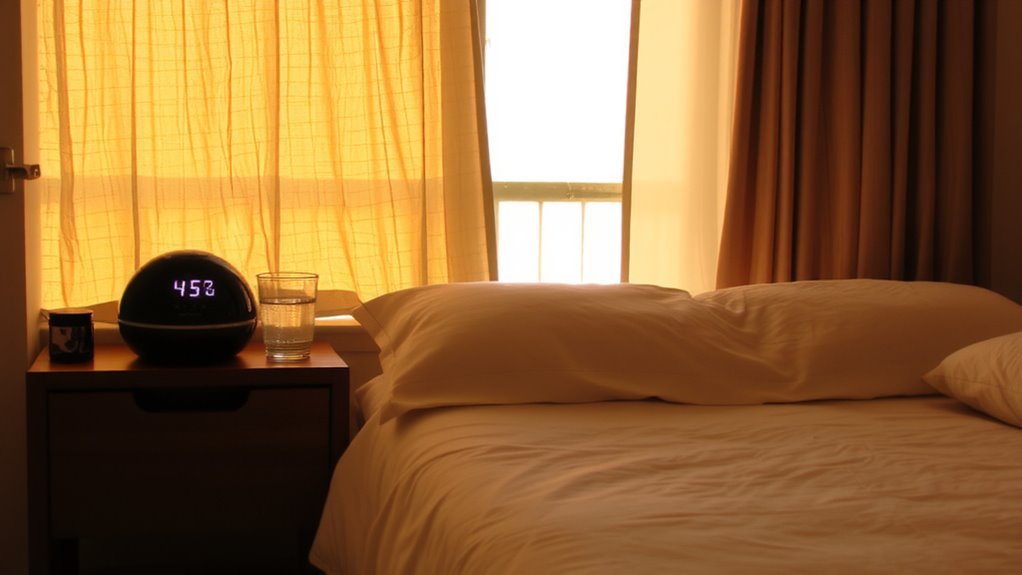
While you’re sleeping, the humidity in your bedroom plays a quiet but meaningful role in how your body feels when you wake up. Low humidity can dry out mucous membranes, worsening respiratory discomfort and making air quality feel harsh, especially if you have allergies or asthma. High humidity, on the other hand, encourages mold and dust mites, which also degrade air quality over time. Your joints may ache more in overly dry or damp environments due to increased sensitivity to temperature fluctuations. Consistent humidity helps buffer these shifts, supporting better respiratory function and reduced joint stiffness. When choosing a humidifier or dehumidifier, consider models with built-in hygrometers and automatic shutoffs for steady performance. Units with washable filters improve long-term air quality. Try running a device for a few nights to assess changes in your sleep quality-many come with warranties for added confidence.
What Is the Ideal Bedroom Humidity Level?

Most experts agree the ideal bedroom humidity level falls between 30% and 50%, striking a balance that supports comfortable breathing and joint health while discouraging allergens. This ideal range helps maintain a health balance by preventing dry air that can irritate your airways and overly moist conditions where mold and dust mites thrive. If you struggle with stiff joints in the morning or nighttime congestion, staying within this zone could ease symptoms. Too dry, and your throat may feel scratchy; too damp, and breathing might feel heavier, especially if you have allergies. Keeping humidity in check supports better sleep quality without relying on sleep aids. It won’t cure sleep disorders, but it creates a more stable environment for rest. You don’t need perfect control-just consistent awareness of this ideal range to support long-term comfort and respiratory ease. For those seeking relief without disruptive noise, a quiet bedroom humidifier can maintain optimal humidity levels while supporting undisturbed sleep.
How to Measure Bedroom Humidity Accurately
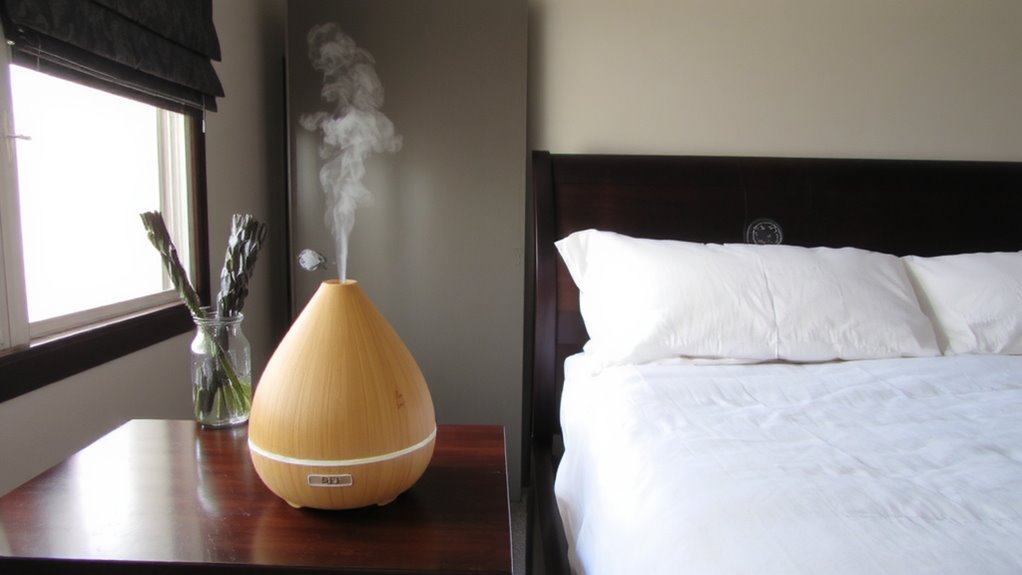
A reliable hygrometer is your best tool for measuring bedroom humidity accurately, and you’ll want to choose one that’s both precise and easy to read. For trustworthy results, pay close attention to sensor placement-keep it away from windows, vents, or walls, where airflow or temperature shifts can skew readings. Place it at breathing height, ideally on a nightstand, to reflect the air you inhale while sleeping. Over time, accuracy can drift, so check hygrometer calibration every few months using a simple test like the salt method. Many models offer calibration adjustments you can tweak yourself. Look for units with digital sensors and a clear display, plus features like min/max tracking to monitor changes overnight. Some come with warranties or trial periods, letting you test performance risk-free. Accurate measurement helps you make informed choices about sleep environment adjustments without guesswork.
Best Humidifiers for Healthy Bedroom Humidity
The right humidifier can quietly transform your bedroom into a more comfortable space for restful sleep, especially when dry air irritates your throat or worsens snoring. Different humidifier types-cool mist, warm mist, and ultrasonic-offer distinct benefits depending on your needs. Cool mist models are often safer around kids and use less energy, while warm mist units can feel soothing in colder months. Ultrasonic humidifiers run quietly, making them ideal for light sleepers. When choosing, consider tank size, noise level, and built-in humidistats. Regular maintenance tips include daily water changes and weekly cleanings with vinegar to prevent mold and mineral buildup. Look for models with removable tanks for easier washing. Many top brands offer 1–2 year warranties, so you can test performance risk-free. A well-maintained unit helps sustain healthy humidity without excess. Top Picks & Buyer’s Guide can help you choose the best humidifier for your specific needs in Australia.
How to Increase Humidity Without Causing Mold
While boosting bedroom humidity can ease dry skin and support better breathing at night, you’ll want to avoid creating damp conditions that encourage mold. Use a humidifier with a built-in hygrometer so you can maintain levels between 30% and 50%-ideal for comfort without excess moisture. Place houseplants away from your bed and practice proper houseplants care, like avoiding overwatering, to reduce mold risks. Short steam showers can add moisture to the air, but leave the bathroom door closed to limit spread. Monitor regularly with a hygrometer and ventilate the room each morning. Choosing a cool mist humidifier can further minimize mold risk while effectively maintaining balanced humidity. Here’s how three common methods compare:
| Method | Moisture Control | Mold Risk |
|---|---|---|
| Cool mist humidifier | High (with hygrometer) | Low |
| Houseplants care | Moderate | Medium |
| Steam showers | Low | Medium |
Daily Habits for Balanced Bedroom Humidity
How often do you think about how daily routines shape the air in your bedroom? Small habits make a big difference in maintaining balanced humidity. Each morning, open your windows for 10–15 minutes to let fresh air circulate-this reduces moisture buildup and improves air quality. Make it a habit to fluff and air pillows daily; airing pillows helps release trapped moisture and keeps them supportive longer. Similarly, rotating mattresses every few months promotes even wear and prevents damp spots from forming. Aim to do this when changing bed linens to build consistency. Use breathable bedding like cotton or bamboo to help regulate humidity overnight. If you use a humidifier or dehumidifier, check the water levels and filters weekly. Most models have indicator lights and come with a one- to two-year warranty. These simple, practical steps support better sleep and help prevent joint stiffness and respiratory discomfort over time.
On a final note
You’ll sleep better when bedroom humidity stays between 40% and 60%, easing joint stiffness and breathing. Use a reliable hygrometer to check levels, then pick a humidifier with quiet operation, adjustable settings, and easy cleaning-cool mist models often work well. Choose units with built-in humidistats or timers, and stick to daily habits like venting showers to prevent mold. Look for models offering a trial period or warranty, so you can test comfort safely.