Light Therapy for Circadian Rhythm: 10,000 Lux, 20-30 Min Guide
You can reset your circadian rhythm using light therapy by sitting in front of a 10,000 lux lamp each morning for 20–30 minutes. This bright, UV-filtered white light signals your brain to reduce melatonin, helping you wake up and feel alert. For best results, choose a lamp with even light distribution and position it 16–24 inches away at eye level. Consistent timing strengthens your body’s clock. Pairing therapy with steady sleep habits improves outcomes, and models with trials let you test effectiveness-there’s more to evaluate for lasting results.
Notable Insights
- Light therapy resets the circadian rhythm by mimicking natural sunlight, especially when exposure to outdoor light is limited.
- Morning light exposure suppresses melatonin, promoting alertness and advancing the sleep-wake cycle for better alignment with daylight hours.
- Consistent daily use of 10,000 lux light for 20–30 minutes upon waking maximizes circadian regulation.
- Choose a light therapy device that emits 10,000 lux of UV-filtered, full-spectrum white light at a comfortable viewing distance.
- Combine light therapy with strong sleep hygiene-regular bedtimes, dark evenings, and screen avoidance-to reinforce circadian stability.
What Is Circadian Rhythm and Why Light Therapy Matters
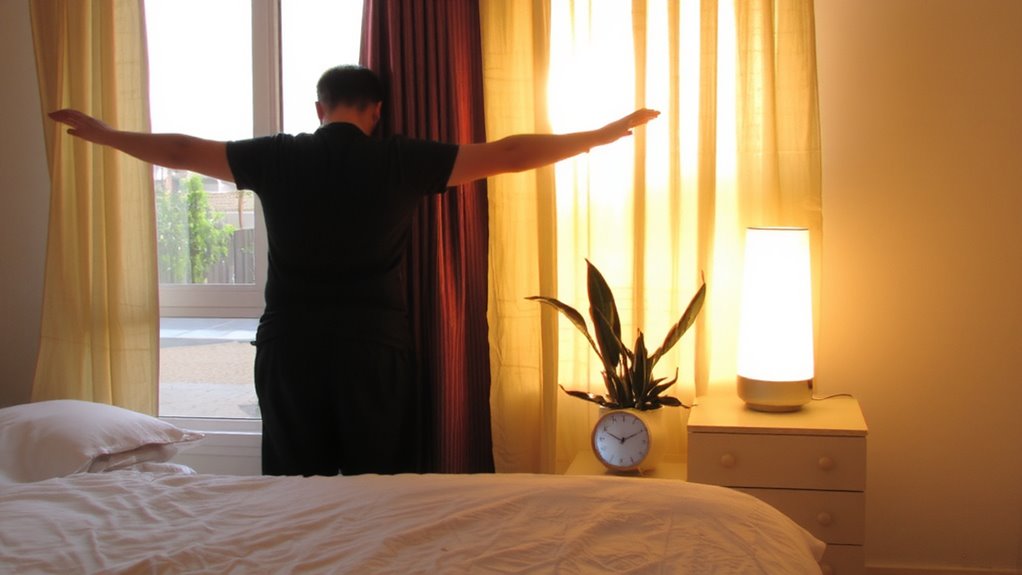
Your body runs on a natural 24-hour cycle called the circadian rhythm, which helps control sleep, hormones, and even body temperature. This internal biological clock responds to environmental cues, especially light and darkness. When evening comes, your brain increases melatonin regulation, preparing you for sleep. Morning light signals your body to stop melatonin production, helping you wake up. Misalignment in this system-like from shift work or irregular schedules-can disrupt sleep patterns. Light therapy matters because it supports proper timing of these signals. Devices designed for light exposure can influence the biological clock, improving consistency in sleep. When choosing tools, consider intensity, duration, and timing. Many units offer adjustable settings, with trial periods and warranties. They’re used in managing sleep disorders, especially where melatonin regulation plays a key role. Top-rated devices often feature advanced settings and are backed by clinical research, making top light therapy lamps a reliable choice for effective treatment.
How Light Therapy Fixes Your Body’s Clock
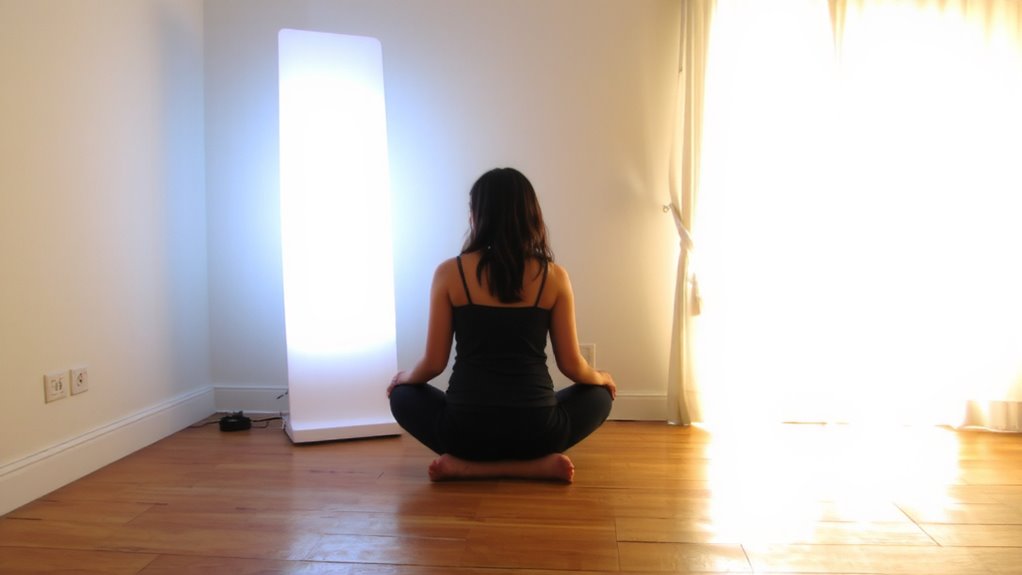
How does light therapy actually reset your internal clock? It works by influencing the biological mechanisms that control your circadian rhythm. When you’re exposed to bright light, especially in the morning, specialized cells in your eyes detect it and send signals through neurological pathways to your brain’s suprachiasmatic nucleus-the body’s master clock. This triggers changes in hormone production, especially melatonin, helping align your sleep-wake cycle with the day-night cycle. Light therapy mimics natural sunlight, strengthening those signals when natural light isn’t available. Over time, consistent use can improve sleep timing and quality by reinforcing your body’s natural rhythms. It’s non-invasive, doesn’t require medication, and suits various lifestyles. For many, it’s a practical option to contemplate alongside other sleep aids, depending on individual needs and conditions. A well-chosen device can enhance effectiveness, and trying one of the best sleep therapy lights may help optimize your results.
Best Time to Use Light Therapy
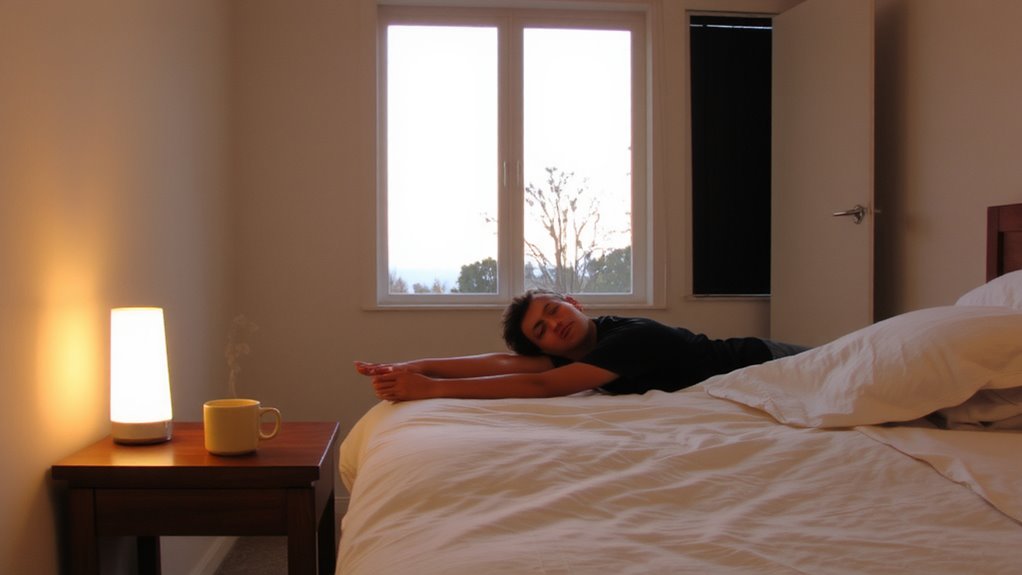
Though timing can vary based on your schedule and sleep patterns, using light therapy in the morning is often most effective for shifting your circadian rhythm earlier. For best results, aim for 20–30 minutes shortly after waking. Timing consistency helps stabilize your internal clock, especially if you struggle with delayed sleep phase or seasonal disruptions. Intensity adjustment lets you tailor brightness-typically 10,000 lux at 16–24 inches-to your comfort and sensitivity.
| Time of Day | Best For | Notes |
|---|---|---|
| Morning | Early circadian shift | Use within 1 hour of waking |
| Midday | Moderate adjustment | Good for shift workers |
| Evening | Not recommended | May delay sleep if used too late |
Stick to a regular schedule and avoid late sessions to prevent interference with sleep onset.
Pick the Right Light Therapy Lamp
When choosing a light therapy lamp, look for one that delivers 10,000 lux of bright white light, since this intensity has been shown to effectively support circadian regulation when used at the right time. Lamp intensity matters-lower lux levels may require longer daily sessions, reducing convenience. A bright, evenly distributed light surface helps you sit comfortably within the recommended 16–24 inch range without straining. Pay attention to the bulb spectrum; full-spectrum white light that filters out harmful UV rays mimics natural sunlight safely and supports alertness without skin or eye risk. Most quality lamps use LED bulbs for durability and consistent output. Check if the device has a glare-reducing screen and adjustable brightness. Look for models with a 30-day trial or warranty so you can test effectiveness for your sleep routine. These features help you make a practical, informed choice without overcommitting. For convenience and consistency, consider best sleep therapy lamps that combine optimal light intensity with user-friendly design features.
Morning vs. Evening Light for Your Chronotype
Why does the same light routine work wonders for one person but leave another feeling more tired? It likely comes down to chronotype mismatch. Your body’s natural rhythm-whether you’re a morning lark or night owl-shapes how you respond to light timing. If you’re a late chronotype and hit the light box at 6 a.m., you might feel worse, not better. That early exposure can clash with your internal clock, delaying adjustment instead of helping. Morning light typically advances your cycle, ideal for night owls trying to shift earlier. Evening light, in contrast, delays it-useful if you’re an early bird forced to stay up later. Getting light timing right means syncing therapy with your chronotype, improving alertness and sleep onset. Trial periods help determine what works-many lamps come with warranties so you can test safely.
Pair Light Therapy With Better Sleep Habits
A well-timed light therapy session works best when paired with consistent sleep habits, so think of it as part of a broader routine rather than a standalone fix. Improving your sleep hygiene means setting a regular bedtime and wake time-even on weekends. This consistent routine strengthens your body’s internal clock, making light therapy more effective. Avoid screens and bright lights an hour before bed, since they can disrupt melatonin release. Keep your bedroom cool, dark, and quiet to support deeper sleep. You don’t need fancy sleep aids right away; small changes often help more. If you’re using light therapy in the morning, follow it with exposure to natural daylight when possible. Over time, combining good sleep hygiene with a consistent routine can reduce daytime fatigue and improve overall rhythm alignment. Track your progress for a few weeks to see what’s working.
Troubleshooting Common Light Therapy Problems
How could your light therapy not be delivering the results you expected? First, check for device malfunctions-flickering lights, inconsistent brightness, or faulty timers can reduce effectiveness. Make sure your device is functioning properly and still within its performance lifespan, typically around 10,000 hours. If the hardware’s fine, consider user compliance. Are you using the light box daily, at roughly the same time, and for the recommended 20–30 minutes? Skipping sessions or using it too late in the day may weaken results. Also, position the device at eye level, about 16–24 inches away, without staring directly at it. Poor placement affects light exposure. If problems persist, review the manufacturer’s warranty or trial policy-many offer replacements or refunds. Addressing these factors improves your chances of success with circadian rhythm support.
On a final note
You can improve your circadian rhythm by using light therapy consistently each morning, especially if you struggle with sleep onset or wakefulness. Choose a lamp with 10,000 lux, sit within 16–24 inches, and expose yourself for 20–30 minutes. Pair it with regular sleep habits, like fixed bedtimes. Most devices offer a 30-day trial and solid build quality, so test one to see how it fits your routine.