Why Advanced Sleep Phase Disorder Patients Benefit From Evening Social Activities
You benefit from evening social activities because they expose you to light and mental stimulation at a time your body prepares for sleep, helping shift your internal clock later. Regular engagement in social events after 7 p.m. can gradually delay melatonin release, making it easier to stay awake later. This adjustment supports better alignment with typical social schedules without forcing major changes all at once-small, consistent steps make a noticeable difference over time, and there’s more to explore about balancing rhythm and connection.
Notable Insights
- Evening social activities expose patients to light during typical wind-down hours, delaying melatonin release and helping shift their circadian rhythm later.
- Regular evening engagement promotes alertness and reinforces a delayed sleep schedule, gradually aligning it with typical social hours.
- Participating in evening events reduces social isolation by allowing meaningful interaction during common social times without violating sleep needs long-term.
- Consistent timing of evening activities helps stabilize the circadian clock, making the phase shift more sustainable over time.
- Delaying sleep through social interaction can improve quality of life by enabling attendance at family events, dinners, and work-related gatherings.
What Is Advanced Sleep Phase Disorder?

Picture your internal clock running ahead of everyone else’s-that’s Advanced Sleep Phase Disorder (ASPD) simply put. Your circadian rhythm shifts earlier, causing tiredness in late afternoon and an early sleep onset, often by 6–9 p.m. This isn’t just preference; it’s a biological shift. You might wake naturally around 2–5 a.m., fully rested but isolated from typical daily rhythms. Diagnosis usually involves sleep logs or actigraphy to track patterns over time. Light therapy in the evening can help delay your circadian rhythm slightly. Melatonin supplements, timed in the morning, may also adjust sleep onset. Treatment focuses on realigning your internal clock, not enforcing changes. These options come with trial periods, and effectiveness varies. Consider discussing timing, dosage, and devices with a sleep specialist. Small, consistent adjustments offer more sustainable results than drastic shifts, supporting better long-term alignment.
How Early Sleep Schedules Lead to Isolation?
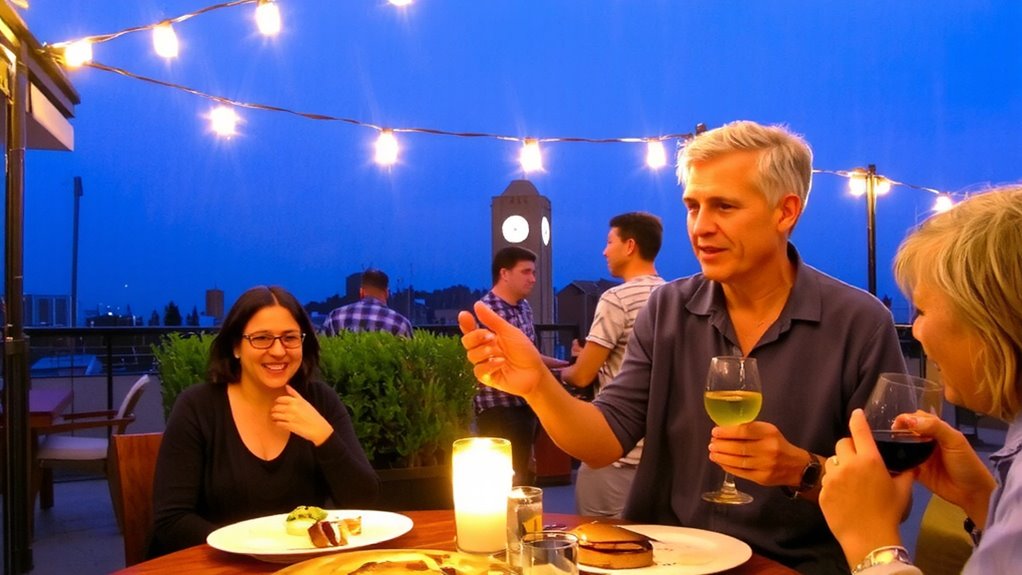
You might feel exhausted by early evening, drifting off long before dinner ends or gatherings begin, and that’s a core feature of Advanced Sleep Phase Disorder. This early sleep schedule often results in missed events, leaving you out of step with typical social rhythms. As friends meet for dinners, shows, or casual hangouts, your need to rest creates consistent social exclusion. Over time, these missed moments add up, leading to limited interactions and weaker social bonds. You may not withdraw by choice, but others might perceive it that way. Family milestones, work outings, or simple weekend plans become hard to join. This pattern can affect mood and connection, even if your sleep feels medically necessary. Recognizing this isolation helps in weighing treatment options, like light therapy or adjusted routines, to better align your schedule with social life while maintaining healthy sleep hygiene.
Can Evening Socializing Shift Your Internal Clock?
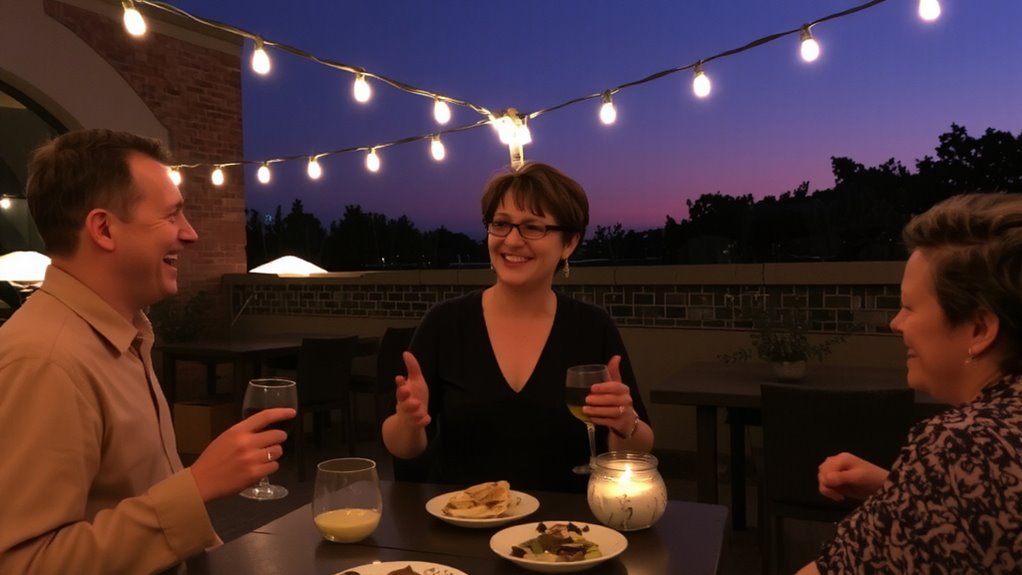
Could evening socializing actually influence your internal clock? Yes, especially if you have advanced sleep phase disorder. Engaging in evening activities increases your light exposure during typical wind-down hours, which can promote circadian flexibility. This shift doesn’t happen overnight, but consistent timing helps your body adjust gradually.
| Factor | Impact on Internal Clock |
|---|---|
| Evening light exposure | Delays melatonin release, pushing sleep later |
| Social interaction | Stimulates alertness and can reinforce new timing |
You’re building a routine that aligns better with societal schedules. Though progress varies, most notice subtle changes within weeks. There’s no need for supplements or devices yet-just natural cues. If you try this, monitor how you feel over time, since results depend on consistency and individual response.
What Events Work for Early Risers?
Evening socializing may help shift your internal clock later, but finding the right activities matters just as much as timing. Book clubs that start at 6 or 7 p.m. offer mental engagement and conversation without pushing too late. You’re likely to stay alert through the discussion, and the shared focus reduces pressure to stay up longer. Dinner parties work well when scheduled early-around 5:30 or 6 p.m.-so you can enjoy a full meal and social interaction before your natural sleepiness sets in. Hosting gives you control over timing, guest count, and environment, which helps manage comfort and energy. Events with predictable end times, like a two-hour book club or a hosted dinner, support your rhythm without disrupting sleep. Choosing structured, engaging, but time-limited events makes participation easier and more sustainable for your body’s needs.
How to Stay Connected Without Sacrificing Sleep?
How do you maintain friendships and social health without disrupting your sleep schedule? You can join morning or early afternoon hobby groups, which let you connect with others who share your interests while respecting your natural rhythm. These gatherings often happen at times that align with your energy peaks, making them easier to enjoy without fatigue. Scheduling regular family dinners earlier in the evening also strengthens bonds without pushing bedtime. You’ll still get quality time, just adjusted to fit your sleep needs. Consider using calendar alerts to plan these events consistently. Many find that shifting socializing to earlier windows improves both connection and rest. There’s no need to choose between relationships and sleep-just timing. With small adjustments, you support both your circadian pattern and meaningful interactions.
On a final note
You might feel isolated if your body clock shifts sleep earlier than most social hours. Evening activities can gently delay your internal clock, easing that gap. Choose low-light, calm events like dinner or quiet gatherings to stay engaged without overstimulation. You’ll maintain sleep quality while improving rhythm alignment. Consider trial sessions to gauge tolerance, track changes over a few weeks, and consult a sleep specialist if adjustments don’t stick.