Why Delayed Sleep Phase Disorder Is Resistant to Traditional Sleep Advice
Your body’s internal clock delays melatonin release, often past midnight, making early sleep nearly impossible no matter how strict your routine. Traditional advice like fixed bedtimes or sleep restriction doesn’t fix this biological shift and can worsen sleep debt. Pushing sleep earlier without addressing circadian timing leads to frustration. Light therapy upon waking and timed melatonin help realign your rhythm. Consistency matters more than willpower-adjusting cues like light exposure gradually resets your clock. You’ll find better results by working with your biology, not against it.
Notable Insights
- DSPD stems from a biological circadian delay, not poor habits, making willpower-based advice ineffective.
- Standard sleep advice ignores delayed melatonin onset, which naturally prevents sleep before midnight.
- Forcing earlier bedtimes misaligns with internal timing, increasing sleep onset latency and frustration.
- Sleep restriction can worsen sleep debt without shifting the underlying circadian rhythm.
- Effective treatment requires timing interventions like light therapy and melatonin, not just behavioral changes.
What Is Delayed Sleep Phase Disorder (DSPD)?
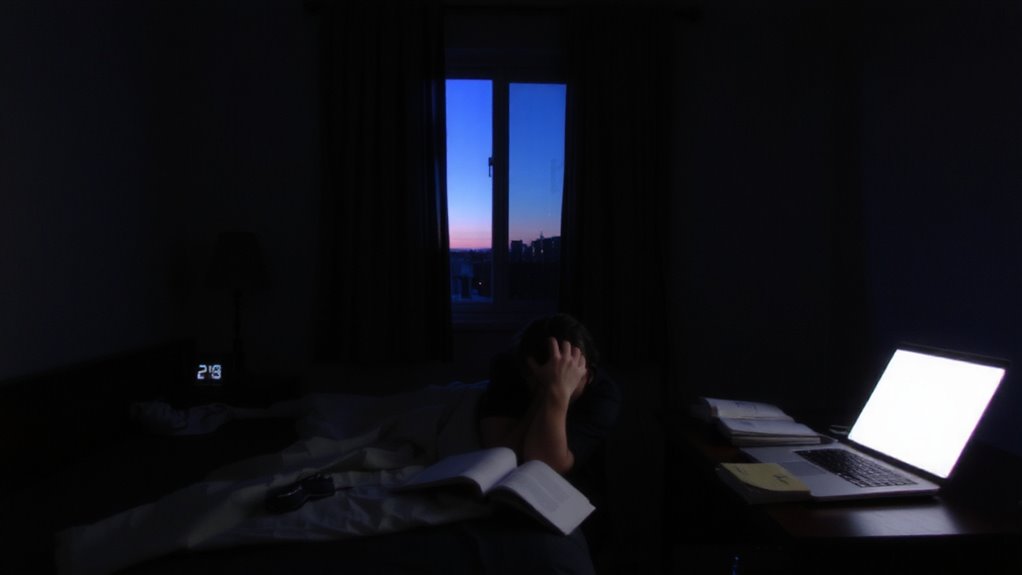
What if your internal clock just didn’t match the world’s schedule? That’s exactly what happens with Delayed Sleep Phase Disorder (DSPD). Your circadian rhythm runs on a delayed cycle, making you fall asleep much later than typical, often past midnight or even in the early morning. This shift isn’t laziness-it’s biological. You might struggle with long sleep onset latency, lying awake for hours despite feeling tired. Once asleep, your sleep quality is usually normal, but timing disrupts daily life. School, work, and social plans feel out of sync because your body naturally wants to sleep and wake later. Diagnosis requires tracking sleep patterns over days, often with sleep logs or wearable devices. Treatments like light therapy or melatonin can help reset your rhythm, but success varies. Understanding DSPD helps you consider options with your doctor-whether behavioral, medical, or environmental-so you can make informed decisions.
Why Standard Sleep Advice Fails for DSPD

How would it feel if simply following typical sleep advice only made things worse? For you, standard tips like fixed bedtimes or sleep restriction often backfire, turning into cycles of frustration. You’re not lazy or undisciplined-your biological clock runs on a different timetable. Telling yourself to “just go to bed earlier” can deepen chronic insomnia, not fix it. Sleep restriction, often helpful for other types of insomnia, may increase sleep debt without shifting your rhythm. That’s because DSPD isn’t about poor habits-it’s a neurological delay in melatonin release. Pushing sleep too early creates mismatched signals, worsening restlessness. Instead of forcing traditional methods, consider timing-based solutions like morning light therapy or prescribed melatonin. These target the clock directly. Success comes not from willpower, but alignment with your body’s real needs.
Why Your Body Resists Early Sleep With DSPD
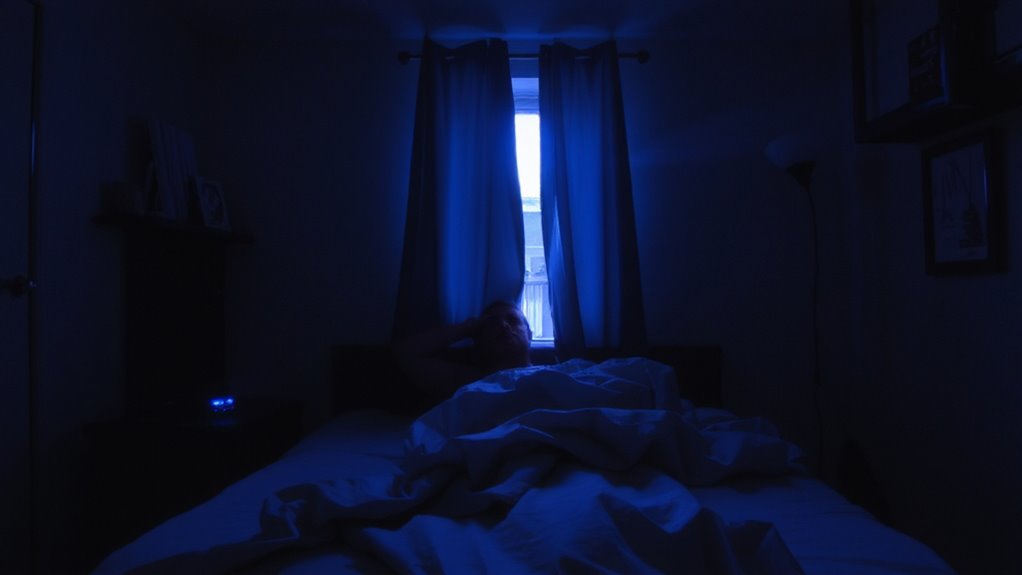
Your body isn’t fighting you-it’s following a biological rhythm that starts melatonin release much later than average, usually after 10 p.m. or even past midnight. This delayed melatonin timing shifts your sleep window, making early bedtimes feel impossible. You aren’t lazy or undisciplined-this is circadian misalignment, a real physiological mismatch between your internal clock and social schedules. Because your system isn’t producing sleep signals early, forcing sleep often leads to frustration and poor results. Standard advice like strict bedtimes ignores this core issue. The delay in melatonin timing means your body isn’t ready for rest when others are. Recognizing circadian misalignment helps explain why willpower alone fails. Understanding your biology lets you choose targeted approaches. Later, we’ll explore methods that work *with* your rhythm, not against it.
Science-Backed Ways to Shift Your DSPD Sleep Schedule
You’ve likely tried pushing yourself to bed earlier, only to lie awake for hours-frustrated and tired but unable to sleep. Shifting your DSPD schedule isn’t about willpower; it’s about aligning with your biology using science-backed tools like melatonin timing and light exposure. These help reset your internal clock gradually. Below are key methods and what to expect:
| Strategy | Timing | Expected Effect |
|---|---|---|
| Morning light exposure | 30–60 min after waking | Advances sleep phase |
| Evening melatonin | 2–3 hours before target sleep | Supports clock adjustment |
| Reduced blue light | 2 hours before bed | Improves sleep readiness |
| Consistent wake time | Same every day | Stabilizes rhythm |
| Daylight during day | Especially mid-morning | Reinforces natural cues |
Adjusting melatonin timing and managing light exposure can make a real difference-start small and track changes over weeks.
When to Talk to a Doctor About DSPD
Is it time to consult a professional when sleep just won’t align, no matter what adjustments you make? If you’ve tried consistent bedtimes, light therapy, and sleep hygiene but still battle chronic fatigue, it might be. Delayed Sleep Phase Disorder often resists general advice, especially when your internal clock stays out of sync despite effort. When exhaustion affects daily focus, work, or school, seeing a sleep specialist makes sense. Poor sleep can also impact mental health, increasing irritability, anxiety, or low mood over time. A doctor can confirm DSPD through sleep logs, actigraphy, or an evaluation, ruling out other conditions. They might recommend timed melatonin, structured light exposure, or chronotherapy-all more effective with supervision. Treatment plans are tailored, sometimes involving behavioral support. Early consultation improves outcomes, helping you regain control without unnecessary trial and error. Don’t wait years; help is available.
On a final note
You might still feel tired even after following standard sleep tips, and that’s okay-DSPD isn’t laziness or poor habits, but a real circadian rhythm disorder. Shifting your schedule often takes consistent, science-backed strategies like timed light exposure and melatonin. Results vary, so track changes over weeks. If sleep disruptions affect daily life, consulting a sleep specialist helps clarify diagnosis and treatment options, including prescription aids or light therapy devices with proven effectiveness and trial periods.